The Essential Checklist for 50g Oats Protein Nutrition
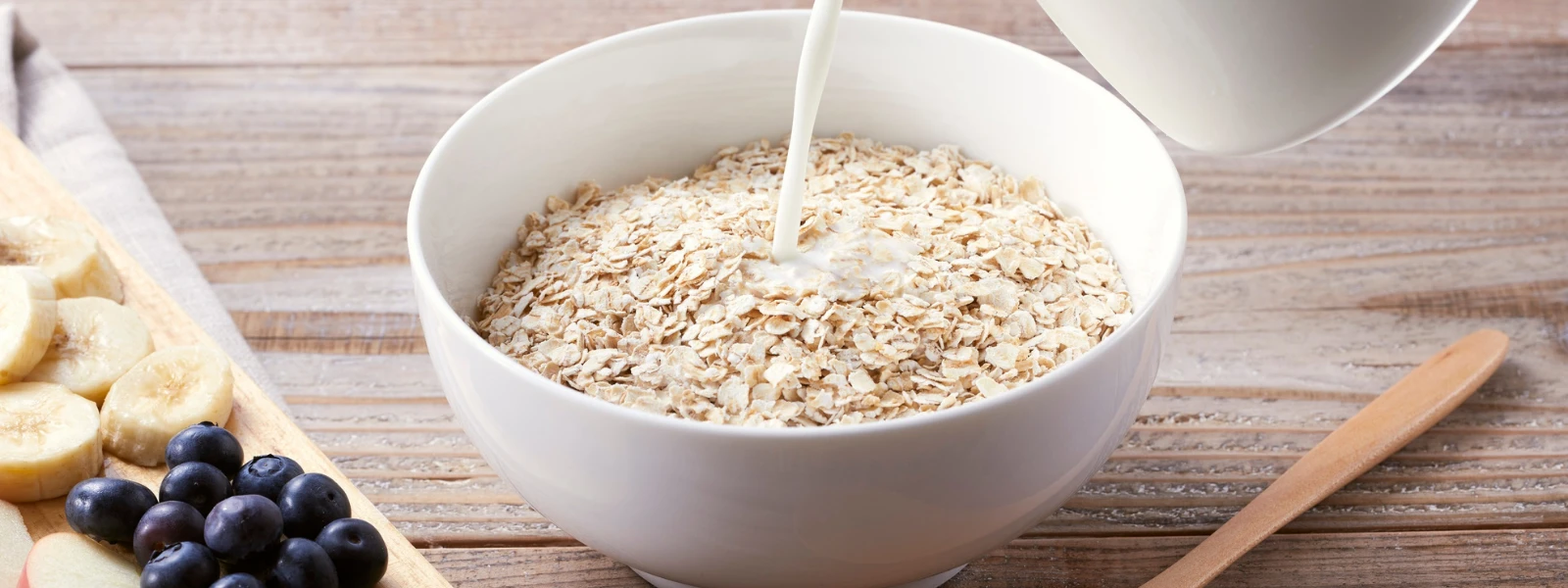


Athletes and fitness enthusiasts constantly search for nutritional strategies that can elevate their performance and recovery. While protein supplements often steal the spotlight, a humble grain has been quietly building a reputation as a nutritional powerhouse. Oats, particularly when examined through the lens of protein content, offer a unique combination of sustained energy and muscle-supporting nutrients that can transform your athletic routine.
Understanding the protein potential of a 50g serving of oats opens doors to smarter nutrition planning. This comprehensive guide will walk you through everything you need to know about maximizing the protein benefits of oats, from their exact nutritional breakdown to practical strategies for incorporating them into your training regimen.
A 50g serving of raw oats delivers approximately 6-8 grams of high-quality protein, making it a surprisingly substantial contributor to your daily protein intake. This oats protein content places oats among the more protein-rich grains, outperforming rice, wheat, and corn in terms of protein density.
The protein in oats contains all nine essential AmIno aciDS, though it's particularly rich in methionine and cysteine. While oats don't qualify as a complete protein source like animal products, they provide a well-balanced amino acid profile that supports muscle protein synthesis when combined with other protein sources throughout the day.
The protein quality in 50g oats includes significant amounts of leucine, the branched-chain amino acid crucial for muscle protein synthesis. This makes oatmeal protein particularly beneficial for athletes looking to support recovery and muscle building. The biological value of oats protein, while lower than whey protein, still provides meaningful nutritional support when consumed as part of a varied diet.
Compared to other grains, oats protein demonstrates superior digestibility and absorption rates. The protein structure in oats breaks down efficiently during digestion, allowing your body to utilize the amino acids effectively for muscle repair and growth.
Understanding the complete nutritional picture of 50g oats helps athletes make informed decisions about meal timing and portion sizes. This serving size provides approximately 194 calories, making it an energy-dense option that supports training demands without excessive caloric intake.
The 32-34 grams of carbohydrates in 50g oats consist primarily of complex starches and dietary fiber. These slow-releasing carbohydrates provide sustained energy for endurance activities while supporting stable blood sugar levels. The high fiber content also promotes digestive health and enhances satiety.
The beta-glucan fiber found in oats offers additional performance benefits by supporting cardiovascular health and helping maintain healthy cholesterol levels. For athletes, this translates to improved circulation and oxygen delivery to working muscles.
A 50g serving contains approximately 3-4 grams of fat, including beneficial unsaturated fatty acids. These fats support hormone production, including testosterone synthesis, which plays a crucial role in muscle building and recovery for both male and female athletes.
Nutrition Insight
The protein-to-calorie ratio in 50g oats is approximately 1g of protein per 24-32 calories, making it one of the most protein-efficient grain sources available. This efficiency makes oats an excellent foundation for high protein oats recipes designed for athletic performance.
While 50g oats provides a solid protein foundation, athletes often need to boost the protein content to meet their elevated requirements. Strategic combinations can transform your basic oatmeal into a high-protein powerhouse that rivals traditional protein supplements.
Adding 20-30 grams of quality protein powder to your 50g oats creates a protein-dense meal containing 26-38 grams of total protein. The key lies in proper integration to maintain texture and palatability. Mix protein powder with a small amount of liquid before adding to cooked oats to prevent clumping.
Choose protein powders that complement the natural flavor of oats. Vanilla, cinnamon, and unflavored options work particularly well. For those seeking plant-based options, pea protein or hemp protein blend seamlessly with oatmeal protein while providing complementary amino acid profiles.
Greek yogurt, nuts, seeds, and nut butters can significantly increase the protein content of your oats without relying on supplements. Two tablespoons of almond butter add approximately 7 grams of protein, while a quarter cup of Greek yogurt contributes another 6 grams.
Chia seeds and hemp hearts offer additional protein while providing omega-3 fatty acids that support anti-inflammatory processes crucial for recovery. These additions create a synergistic effect, enhancing both the nutritional density and the protein quality of your meal.
The unique combination of protein and carbohydrates in 50g oats offers specific advantages for athletic performance that extend beyond basic nutrition. Understanding these benefits helps athletes optimize their training nutrition strategies.
The protein in oats provides essential amino acids that support muscle protein synthesis during the post-exercise recovery period. When consumed within the post-workout window, oats for muscle building can contribute to the repair and adaptation processes that lead to strength gains.
The anti-inflammatory compounds found in oats, including avenanthramides, may help reduce exercise-induced inflammation and support faster recovery between training sessions. This makes oats an excellent choice for athletes with high training volumes.
For endurance athletes, the combination of protein and complex carbohydrates in oats provides both immediate and sustained energy. The protein helps maintain stable blood glucose levels during prolonged exercise, while the carbohydrates fuel working muscles.
Research suggests that consuming protein with carbohydrates before endurance exercise can improve performance and reduce muscle damage compared to carbohydrates alone. This makes oats for endurance particularly valuable for cyclists, runners, and other endurance athletes.
Transforming basic oats into protein-rich meals requires creativity and understanding of flavor combinations. These practical approaches help athletes incorporate high protein oats into their daily nutrition routine.
For pre-workout nutrition, combine 50g oats with banana, cinnamon, and a scoop of easily digestible protein powder. This combination provides approximately 30 grams of protein and 60 grams of carbohydrates, ideal for fueling intense training sessions.
Prepare overnight oats by mixing raw oats with protein powder, milk or plant-based alternatives, and fruits. This preparation method ensures easy digestion and provides a convenient grab-and-go option for early morning workouts.
Post-workout oats should emphasize protein content while providing carbohydrates for glycogen replenishment. Combine cooked 50g oats with Greek yogurt, berries, and chopped nuts for a recovery meal containing 25-30 grams of protein.
Create oats protein shakes by blending cooked oats with protein powder, fruits, and liquid. This approach provides a smooth, easily digestible option that delivers nutrients quickly to recovering muscles.
While oats offer numerous benefits for athletes, understanding their limitations ensures realistic expectations and optimal nutrition planning. Recognizing these factors helps athletes make informed decisions about incorporating oats into their protein strategy.
The protein in oats, while high-quality for a plant source, doesn't provide the same leucine content as animal-based proteins. Athletes relying heavily on plant proteins should ensure they consume adequate total protein throughout the day to meet their elevated needs.
Combining oats with other protein sources throughout the day ensures a complete amino acid profile. Pairing oats protein with legumes, nuts, or seeds creates complementary protein combinations that support optimal muscle protein synthesis.
Some athletes may experience digestive discomfort when consuming large amounts of oats, particularly when eaten close to training sessions. The high fiber content, while beneficial for overall health, can cause gastrointestinal distress in sensitive individuals.
Start with smaller portions and gradually increase intake to assess individual tolerance. Cooking oats thoroughly and allowing adequate digestion time before exercise helps minimize potential digestive issues.
Fifty grams of raw oats contains approximately 6-8 grams of protein, depending on the variety and processing method. This represents about 12-16% of the daily protein needs for a sedentary adult, making it a meaningful contribution to overall protein intake.
While oats provide valuable protein, they typically cannot fully replace protein supplements for athletes with high protein requirements. However, they serve as an excellent foundation that can be enhanced with additional protein sources to meet athletic needs.
The most effective methods include adding protein powder, Greek yogurt, nuts, seeds, or nut butters. Combining multiple protein sources creates meals with 25-35 grams of total protein while maintaining palatability and nutritional balance.
Oats support muscle building through their protein content and by providing sustained energy for training. While not as protein-dense as dedicated supplements, they offer a whole-food approach that supports overall nutritional quality and training performance.
Oats contain significantly more protein than most other grains, including rice, wheat, and corn. They also provide superior amino acid balance and digestibility, making them one of the most valuable grain-based protein sources for athletes.
The protein potential of 50g oats extends far beyond basic nutrition facts, offering athletes a versatile foundation for performance-oriented meal planning. With 6-8 grams of high-quality protein, beneficial amino acids, and the flexibility to be enhanced with additional protein sources, oats represent a smart addition to any athletic nutrition strategy. The combination of sustained energy release, digestive support, and muscle-building nutrients makes oats particularly valuable for athletes seeking whole-food approaches to their protein needs. Whether used as a pre-workout fuel source, post-exercise recovery meal, or daily protein contributor, understanding how to maximize the protein benefits of oats empowers athletes to make informed nutritional choices that support their performance goals.



