The Essential Checklist for Choosing a Brown Rice Protein Powder
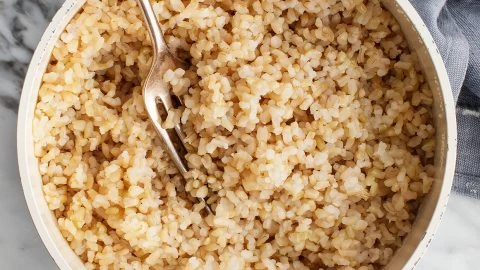


The rise of plant-based nutrition has transformed how we approach protein supplementation. As more people embrace sustainable eating patterns, brown rice protein has emerged as a leading choice among plant-based protein sources. This complete guide will help you navigate the essential factors when selecting the perfect brown rice protein powder for your health and fitness goals.
Understanding what makes a quality brown rice protein powder can significantly impact your nutrition outcomes. Whether you're an athlete seeking optimal performance or someone looking to increase daily protein intake, making informed choices ensures you get maximum value from your supplement investment.
Brown rice protein stands out in the crowded protein market for several compelling reasons. Unlike many plant-based protein sources, it offers a naturally gluten-free protein option that's easily digestible for most people. The protein extraction process from brown rice creates a concentrated powder that typically contains 80-85% protein by weight.
Research shows that brown rice protein provides all essential amino acids, though it's slightly lower in lysine compared to animal proteins. However, this doesn't diminish its effectiveness for muscle building and recovery when consumed as part of a balanced diet.
A typical serving of quality brown rice protein contains approximately 20-25 grams of protein per 30-gram scoop. The amino acid profile includes substantial amounts of branched-chain amino acids (BCAAs), particularly leucine, which plays a crucial role in muscle protein synthesis.
The protein digestibility score for brown rice protein ranges from 0.9 to 1.0, making it highly bioavailable. This means your body can efficiently utilize the protein for muscle repair, growth, and other essential functions.
When evaluating brown rice protein products, protein concentration serves as your first quality indicator. Look for powders containing at least 80% protein by weight. Higher concentrations typically indicate better processing methods and fewer fillers.
Protein isolate forms generally offer higher purity levels compared to concentrates. Isolates undergo additional processing to remove more carbohydrates and fats, resulting in a cleaner protein source ideal for those following strict macronutrient targets.
A complete amino acid profile distinguishes superior brown rice protein products. While brown rice naturally contains all essential amino acids, the processing method can affect their final concentrations. Quality products should clearly display amino acid breakdowns on their labels.
Pay particular attention to BCAA content, especially leucine levels. Research indicates that leucine concentrations of 2.5-3 grams per serving optimize muscle protein synthesis, making this a crucial factor for athletes and fitness enthusiasts.
Organic brown rice protein ensures your supplement comes from rice grown without synthetic pesticides, herbicides, or fertilizers. This certification becomes particularly important given rice's tendency to absorb compounds from soil and water.
Look for products that specify their rice sourcing locations and farming practices. Sustainable protein options not only benefit your health but also support environmentally responsible agriculture.
Expert Insight
Studies show that organic brown rice protein contains up to 40% higher antioxidant levels compared to conventional varieties, providing additional health benefits beyond protein content.
The extraction and processing methods significantly impact the final product quality. Enzymatic extraction processes typically preserve more nutrients compared to chemical methods. Avoid products with extensive ingredient lists containing artificial flavors, colors, or preservatives.
Clean protein sources should contain minimal ingredients - ideally just organic brown rice protein and perhaps natural flavoring. This approach ensures you're getting pure nutrition without unnecessary additives.
Reputable manufacturers invest in comprehensive third-party testing to verify protein content, amino acid profiles, and safety standards. Look for certifications from recognized testing laboratories that screen for heavy metals, pesticides, and microbial contamination.
Quality assurance extends beyond basic safety testing. Premium products often undergo testing for protein digestibility, amino acid accuracy, and nutritional label verification.
Brown rice protein provides excellent support for muscle building goals when consumed as part of a well-planned nutrition strategy. The high protein content and favorable amino acid profile make it effective for post-workout recovery.
Research comparing brown rice protein to whey protein found similar muscle-building results when total protein intake remained adequate. This makes it an excellent choice for those following plant-based diets or dealing with dairy sensitivities.
Many people find brown rice protein easier to digest compared to dairy-based proteins. The naturally hypoallergenic properties make it suitable for individuals with food sensitivities or digestive concerns.
The fiber content in some brown rice protein products can support digestive health, though those seeking pure protein might prefer more refined options with minimal fiber content.
Sports nutrition supplements benefit from brown rice protein's versatility. Its neutral taste profile makes it easy to incorporate into various recipes and meal plans. Unlike some plant proteins with strong flavors, brown rice protein blends well with other ingredients.
Some people question whether plant-based protein can match animal protein effectiveness. Scientific evidence demonstrates that brown rice protein supports muscle growth and recovery when consumed in adequate amounts as part of a balanced diet.
The key lies in understanding that protein quality depends on multiple factors, including amino acid profile, digestibility, and overall dietary context rather than just the protein source.
Studies show that brown rice protein can be equally effective as whey protein for supporting muscle building goals. The slightly lower leucine content can be easily addressed through proper meal timing and complementary protein sources throughout the day.
While brown rice protein provides all essential amino acids, maintaining a varied diet ensures optimal nutrition. Combining different plant-based protein sources throughout the day creates a more complete amino acid profile.
Most active individuals benefit from 20-30 grams of brown rice protein per serving, typically consumed post-workout or as part of a meal. Those following high-protein diet approaches might use multiple servings throughout the day.
Timing considerations include consuming protein within 2 hours post-exercise for optimal muscle building supplements benefits. However, total daily protein intake matters more than precise timing for most people.
Brown rice protein mixes well with various liquids, from water and plant-based milks to smoothie ingredients. The neutral flavor profile makes it versatile for both sweet and savory applications.
For best results, use a blender or shaker bottle to ensure smooth consistency. Some people prefer adding natural sweeteners or fruits to enhance flavor profiles.
Beyond traditional protein shakes, brown rice protein works well in baking applications, pancakes, and energy balls. Its stable structure holds up well to heating, making it suitable for cooked recipes.
Consider incorporating it into overnight oats, smoothie bowls, or homemade protein bars for convenient nutrition throughout the day.
Yes, brown rice protein contains all nine essential amino acids, making it a complete protein. While it has slightly lower lysine levels compared to animal proteins, it still provides adequate amounts for most nutritional needs when consumed as part of a balanced diet.
Most quality brown rice protein powders provide 20-25 grams of protein per 30-gram serving. This amount effectively supports muscle recovery and growth goals for most active individuals.
Research demonstrates that brown rice protein can be equally effective as other protein sources for muscle building when consumed in adequate amounts. The key is maintaining consistent protein intake throughout the day and following a proper exercise program.
Brown rice protein is generally well-tolerated with minimal side effects. Some people might experience mild digestive discomfort when first introducing any new protein supplement, but this typically resolves as the body adapts.
Look for organic certification, third-party testing verification, and quality assurance seals from recognized laboratories. These certifications ensure product purity, safety, and nutritional accuracy.
Selecting the right brown rice protein powder requires careful consideration of multiple factors, from protein concentration and amino acid profiles to sourcing practices and quality certifications. By focusing on these essential criteria, you can confidently choose a product that supports your health and fitness goals while aligning with your values around sustainable protein options.
Remember that the best protein powder is one you'll consistently use as part of a balanced nutrition plan. Whether you're seeking post-workout recovery support or simply looking to increase your daily protein intake, quality brown rice protein can be an excellent addition to your wellness routine. Take time to research different options and choose products from reputable manufacturers who prioritize transparency and quality in their formulations.



