The Essential Checklist for Crafting the Perfect Protein Juice
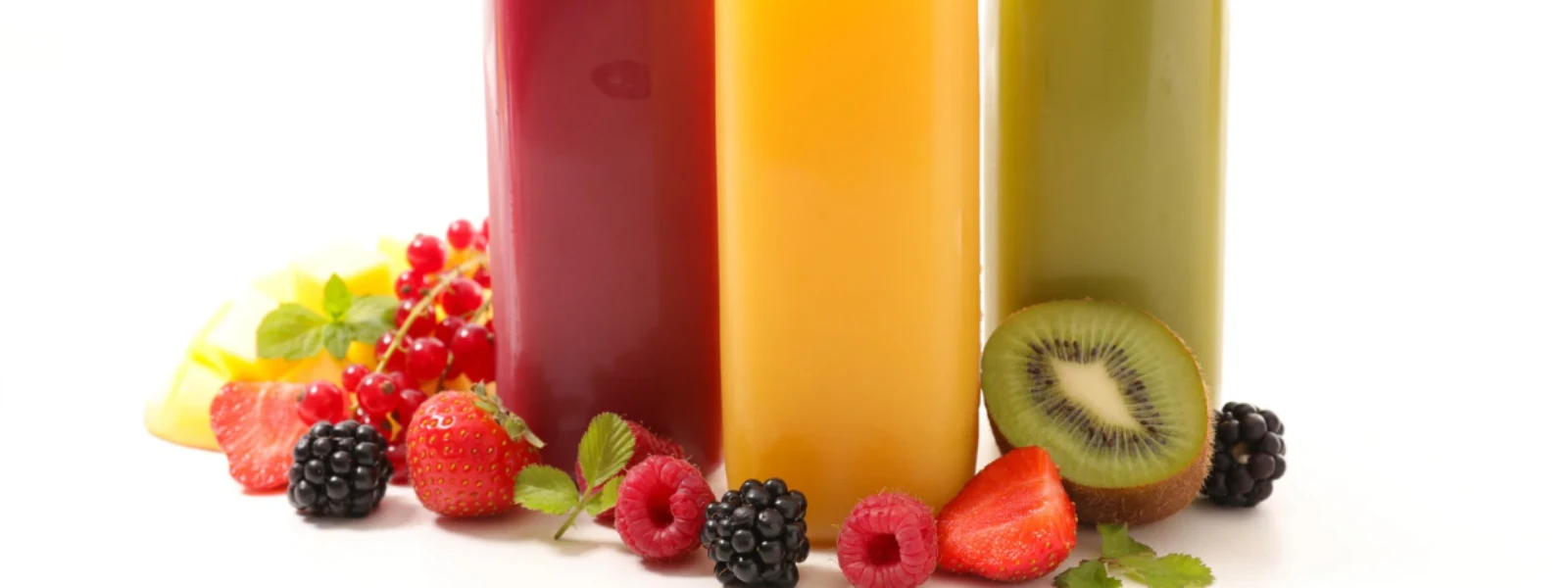


Creating the perfect protein juice can transform your fitness routine and nutritional intake in ways you never imagined. While store-bought options often fall short with artificial ingredients and excessive sugars, crafting your own protein-rich beverages allows complete control over quality, taste, and nutritional value. This comprehensive checklist will guide you through every step of creating nutrient-dense, delicious protein juices that support your health and fitness goals.
A protein juice combines liquid fruits and vegetables with high-quality protein sources to create a nutrient-dense beverage. Unlike traditional protein shakes that often rely heavily on dairy or thick textures, protein juices maintain a lighter, more refreshing consistency while delivering essential amino acids your body needs for recovery and growth.
The key distinction lies in the liquid-to-solid ratio and ingredient selection. While a plant-based protein shake might include oats, nut butters, or frozen fruits creating a thick smoothie, protein juices focus on fresh or lightly processed ingredients that blend into a more fluid consistency.
A well-crafted high-protein smoothie typically contains 20-30 grams of protein per serving, along with essential vitamins, minerals, and antioxidants from fresh produce. The ideal protein juice provides complete amino acid profiles while maintaining digestibility and absorption efficiency.
Quality protein sources in juice form offer faster absorption rates compared to solid foods, making them particularly beneficial for post-workout recovery. Research published in the Journal of the International Society of Sports Nutrition indicates that liquid protein sources can be absorbed within 30-60 minutes, compared to 3-4 hours for whole food proteins.
When selecting protein sources for your vegan protein beverage, consider these high-quality options that blend seamlessly without compromising taste or texture:
Pea Protein: Offers excellent amino acid profiles with high digestibility rates. Its neutral flavor makes it ideal for fruit-forward juice combinations. Pea protein provides approximately 20-25 grams of protein per scoop while supporting muscle synthesis effectively.
Rice Protein: Hypoallergenic and easily digestible, rice protein works particularly well in lighter juice blends. It combines beautifully with citrus fruits and provides sustained amino acid release for extended muscle support.
Hemp Protein: Rich in omega-3 fatty acids and fiber, hemp protein adds nutritional complexity to your post-workout recovery drink. Its slightly nutty flavor complements berry-based juices exceptionally well.
Fresh produce forms the foundation of exceptional protein juices. Choose fruits and vegetables that enhance both nutritional value and palatability:
High-water content fruits like watermelon, cucumber, and celery create excellent liquid bases while contributing natural electrolytes. Citrus fruits provide Vitamin C for enhanced protein absorption, while berries deliver antioxidants that support recovery processes.
Green vegetables such as spinach, kale, and cucumber add essential minerals without overwhelming fruit flavors. These ingredients transform your beverage into a comprehensive muscle-building protein juice that supports overall health alongside fitness goals.
Pro Tip: Absorption Enhancement
Adding a small amount of healthy fats like MCT oil or avocado can significantly improve the absorption of fat-soluble vitamins in your protein juice, while providing sustained energy for extended workouts.
The optimal protein content for your athletic performance supplement depends on individual factors including body weight, activity level, and specific fitness goals. Generally, aim for 0.8-1.2 grams of protein per kilogram of body weight daily, with post-workout servings containing 20-30 grams of high-quality protein.
Quality matters as much as quantity. Complete proteins containing all nine essential amino acids support optimal muscle protein synthesis. When using plant-based sources, combine different protein types to ensure comprehensive amino acid profiles.
Your sports nutrition shake should align with specific objectives:
Muscle Building: Higher protein ratios (30-40% of calories) with moderate carbohydrates for energy and recovery. Include natural sugars from fruits to replenish glycogen stores depleted during intense training.
Weight Management: Emphasize protein and fiber while controlling overall calorie density. Focus on low-glycemic fruits and vegetables that provide satiety without blood sugar spikes.
Endurance Performance: Balance protein with easily digestible carbohydrates for sustained energy. Include electrolyte-rich ingredients like coconut water or celery for optimal hydration.
Step 1: Choose Your Protein Base
Select 1-2 scoops of high-quality protein powder based on your daily requirements. For a protein-rich juice blend, ensure your chosen protein dissolves easily and complements your fruit selections.
Step 2: Select Fresh Produce
Choose 2-3 fruits and 1-2 vegetables for optimal flavor balance. Wash all produce thoroughly and remove any inedible portions like stems or seeds.
Step 3: Prepare Liquid Base
Use 8-12 ounces of liquid depending on desired consistency. Water, coconut water, or unsweetened plant milk work excellently for different flavor profiles.
Step 4: Layer Ingredients Properly
Add liquids first, followed by protein powder, then soft fruits, and finally harder vegetables. This layering technique ensures smooth blending and prevents protein powder clumping.
Step 5: Blend in Stages
Start with low speed for 30 seconds to incorporate protein powder, then increase to high speed for 60-90 seconds until completely smooth. This method creates the perfect texture for your healthy protein-packed drink.
Step 6: Adjust Consistency
Add additional liquid if too thick, or frozen fruit if too thin. The ideal protein juice should pour easily while maintaining body and nutritional density.
This fitness-focused protein juice combines spinach, green apple, cucumber, lemon, and pea protein for a nutrient-dense recovery beverage. The combination provides complete amino acids, natural electrolytes, and digestive enzymes for optimal absorption.
Blend mixed berries, coconut water, rice protein, and a handful of spinach for a delicious post-workout recovery drink. Berries provide antioxidants that reduce exercise-induced oxidative stress while supporting muscle recovery.
Combine pineapple, mango, coconut water, and hemp protein for a refreshing athletic performance supplement. Pineapple contains bromelain, an enzyme that aids protein digestion and reduces inflammation.
Many people struggle with protein powder clumping in their vegan protein beverage. Always add liquid first and use room temperature ingredients when possible. Cold liquids can cause protein powders to seize and create unpleasant textures.
Using overripe fruits or low-quality protein powders significantly impacts both taste and nutritional value. Invest in fresh, organic produce when possible and choose protein powders from reputable manufacturers with third-party testing.
Generic recipes don't account for individual dietary requirements, allergies, or fitness goals. Customize your protein juice based on personal needs, activity level, and health considerations.
High-water content fruits like watermelon, grapes, citrus fruits, and cucumbers maintain juice consistency while providing natural sweetness and nutrients. Avoid bananas and mangoes if you prefer thinner textures, or use them sparingly for flavor enhancement.
Most people benefit from 20-30 grams of protein per serving, which typically equals 1-1.5 scoops of quality protein powder. Adjust based on your body weight, activity level, and daily protein requirements, consulting with a healthcare provider if you have specific medical conditions.
While protein juices provide excellent nutrition, they work best as supplements to a balanced diet rather than complete meal replacements. They lack the fiber, healthy fats, and complex carbohydrates found in whole foods that support long-term satiety and metabolic health.
High-quality plant proteins can be equally effective for muscle building when consumed in adequate amounts with complete amino acid profiles. Combining different plant protein sources or choosing complete plant proteins ensures optimal muscle protein synthesis.
Fresh protein juices should be consumed within 24 hours when refrigerated in airtight containers. For best taste and nutritional value, consume immediately after preparation. Freezing is possible but may affect texture and nutrient availability.
Creating the perfect protein juice requires attention to ingredient quality, proper preparation techniques, and alignment with personal health goals. By following this comprehensive checklist, you can craft nutrient-dense beverages that support your fitness journey while providing delicious, refreshing nutrition. Remember that consistency in preparation and consumption will yield the best results for your health and performance objectives. Experiment with different combinations to find your perfect blend, and always prioritize quality ingredients for optimal nutritional benefits.



