The Essential Checklist for Oats Protein per 50g: Nutrition Facts
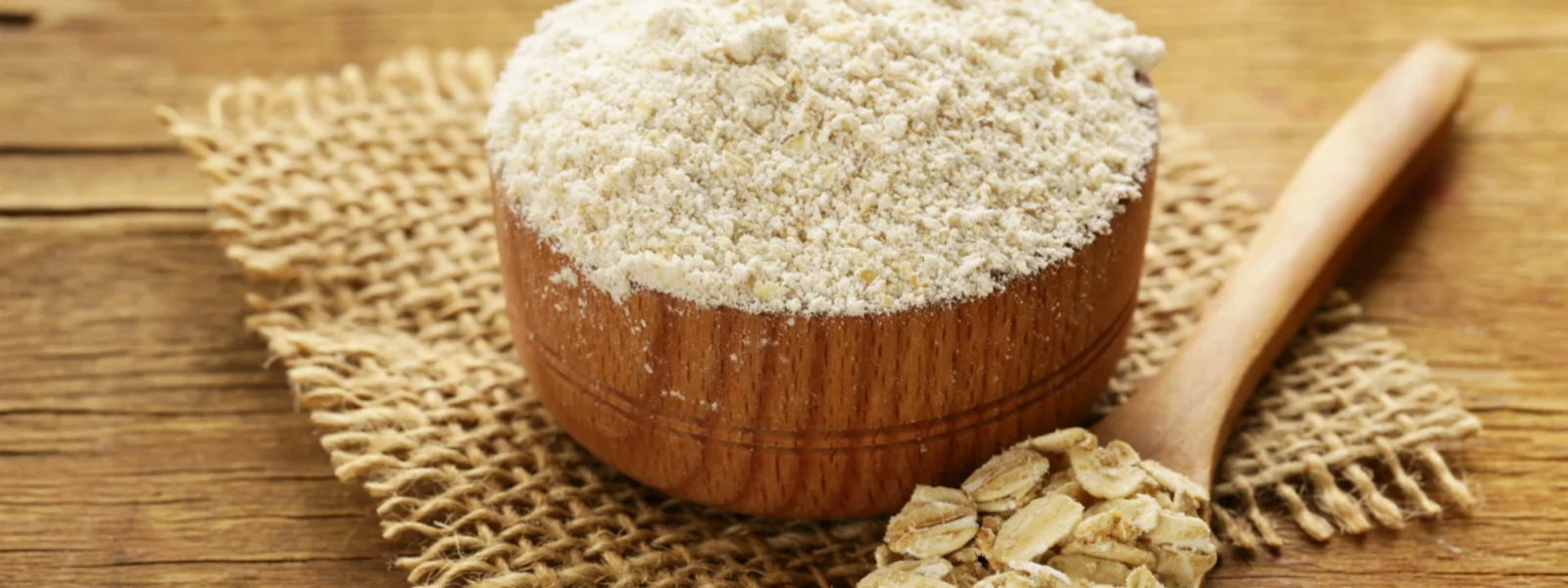


When you reach for that morning bowl of oats, you're getting more than just sustained energy. Oats deliver a surprising amount of high-quality protein that many athletes and fitness enthusiasts overlook. A standard 50g serving of oats contains approximately 6.5 grams of protein, making it a valuable addition to your daily nutrition strategy. Understanding the exact protein content and composition in this serving size can help you make informed decisions about meal planning and performance nutrition.
Oats contain a unique protein profile that sets them apart from other grains. The primary protein in oats is called avenalin, which makes up about 80% of the total protein content. This globulin protein provides a more complete amino acid profile compared to proteins found in wheat or rice.
The oats protein composition includes several distinct protein fractions. Avenalin serves as the storage protein, while smaller amounts of prolamin and albumin proteins contribute to the overall profile. This combination creates a protein source with better nutritional value than many other cereal grains.
The amino acid profile of oats protein shows particularly high levels of lysine, an essential amino acid often lacking in other grains. This makes oats an excellent complement to other plant-based proteins in your diet. The protein structure in oats also includes all nine essential AmIno aciDS, though not always in optimal ratios for muscle protein synthesis.
Research shows that oats protein has a biological value of approximately 86, which is higher than wheat (54) and corn (60). This means your body can effectively utilize more of the protein you consume from oats compared to other common grains.
A 50g serving of dry oats typically contains between 6.2 to 7.5 grams of protein, depending on the variety and processing method. This represents approximately 13-15% of the total weight, making oats a moderately high-protein grain option.
Steel-cut oats generally provide the highest protein content per 50g serving, averaging 7.2 grams. Rolled oats follow closely with about 6.8 grams, while instant oats may contain slightly less at around 6.2 grams due to additional processing.
The oats protein breakdown shows that processing methods can affect the final protein content. Minimal processing preserves more of the original protein structure, while extensive processing for instant varieties may reduce some protein availability.
In a 50g serving of oats, protein accounts for roughly 13% of the total calories. The remaining macronutrients include approximately 55% carbohydrates and 7% fat, with the rest coming from fiber and moisture content.
Did You Know?
Oats contain a unique protein called avenin, which is similar to gluten but generally well-tolerated by most people with gluten sensitivities. This makes oats protein accessible to a broader range of dietary needs while still providing substantial nutritional benefits.
The digestibility of oats protein reaches approximately 90%, meaning your body can effectively process and utilize most of the protein you consume. This high digestibility rate makes oats an efficient protein source for supporting muscle maintenance and recovery.
The oats protein benefits extend beyond just the quantity. The protein structure allows for steady amino acid release, providing sustained nutrition rather than a quick spike followed by a drop. This makes oats particularly valuable for endurance athletes and those seeking consistent energy levels.
Studies indicate that oats protein can effectively support muscle protein synthesis when combined with resistance training. While not as potent as whey protein for immediate post-workout recovery, the sustained release pattern makes it ideal for breakfast or pre-workout meals.
Combining oats with other protein sources can create a more complete amino acid profile. Popular combinations include oats with milk, yogurt, or nuts, which help balance the amino acid composition and increase the overall protein quality of your meal.
Standard rolled oats provide a baseline for oats protein analysis, but specialty varieties can offer enhanced protein content. Some manufacturers now produce high-protein oat varieties that can contain up to 9 grams of protein per 50g serving.
Research shows minimal differences in protein content between organic and conventional oats. The oats protein profile remains relatively consistent regardless of growing methods, with variations typically falling within 0.2-0.4 grams per 50g serving.
The oats protein structure can be affected by processing methods. Steel-cut oats, which undergo minimal processing, retain the highest protein integrity. Instant oats may have slightly altered protein availability due to pre-cooking and flaking processes.
Several preparation methods can enhance the protein value of your oats serving. Cooking oats in milk instead of water can nearly double the protein content of your meal. Adding protein-rich toppings like nuts, seeds, or Greek yogurt further boosts the overall protein intake.
Soaking oats overnight can improve protein digestibility by breaking down some of the fiber that might interfere with protein absorption. This method also helps release more nutrients, making the protein more bioavailable.
For athletes, timing your oats consumption can maximize the protein benefits. Consuming oats protein sources 2-3 hours before exercise provides sustained energy, while post-workout consumption supports recovery when combined with faster-absorbing proteins.
Creating protein-complete meals with oats involves strategic pairing. Combining oats with legumes, nuts, or dairy products creates a complete amino acid profile that rivals animal-based proteins. A 50g serving of oats with 30g of almonds provides approximately 12 grams of high-quality protein.
While protein is important, the complete oats nutrition facts reveal a powerhouse of nutrients in every 50g serving. Beyond the 6.5 grams of protein, you'll get approximately 32 grams of carbohydrates, including 5 grams of dietary fiber.
A 50g serving of oats provides about 190 calories, making it an energy-dense food that supports active lifestyles. The carbohydrate content includes both quick-release and slow-release energy sources, providing immediate fuel and sustained energy release.
The micronutrient profile includes significant amounts of manganese, phosphorus, magnesium, and iron. These minerals support protein metabolism and muscle function, making oats a comprehensive nutrition choice rather than just a protein source.
The 5 grams of fiber in a 50g serving includes both soluble and insoluble types. Beta-glucan, a specific type of soluble fiber in oats, supports heart health and helps regulate blood sugar levels, which can improve protein utilization and muscle recovery.
A 100g serving of oats contains approximately 13-15 grams of protein, depending on the variety. This makes oats a moderate protein source compared to legumes or animal products, but higher than most other grains.
Yes, 50g of oats daily is considered safe and beneficial for most people. This serving provides about 6.5 grams of protein along with essential fiber and nutrients. However, individuals with celiac disease should ensure they choose certified gluten-free oats.
You can boost protein content by cooking oats in milk instead of water, adding protein powder, incorporating nuts or seeds, or topping with Greek yogurt. These additions can increase the total protein to 15-20 grams per serving.
Oats protein works well for vegetarian, vegan, and most special diets. The protein is naturally gluten-free when processed in dedicated facilities, making it suitable for those with gluten sensitivities. The complete amino acid profile supports various nutritional goals.
Oats protein has a higher biological value than most grains but lower than legumes or quinoa. However, oats offer the advantage of being easily digestible and providing sustained energy release along with protein, making them ideal for athletic performance and general health.
Understanding the protein content in a 50g serving of oats reveals why this humble grain deserves a place in your nutrition strategy. With 6.5 grams of high-quality, easily digestible protein, along with essential AmIno aciDS and complementary nutrients, oats provide a foundation for healthy eating and athletic performance. The versatility of oats allows you to enhance their protein value through strategic combinations while benefiting from their complete nutritional profile. Whether you're an athlete seeking sustained energy or someone focused on balanced nutrition, incorporating the right amount of oats into your daily routine can support your health and performance goals. Consider exploring quality nutrition options that complement your oats consumption for a comprehensive approach to wellness and optimal nutrient absorption.



