The Essential Checklist: Uncovering the Protein in Oats
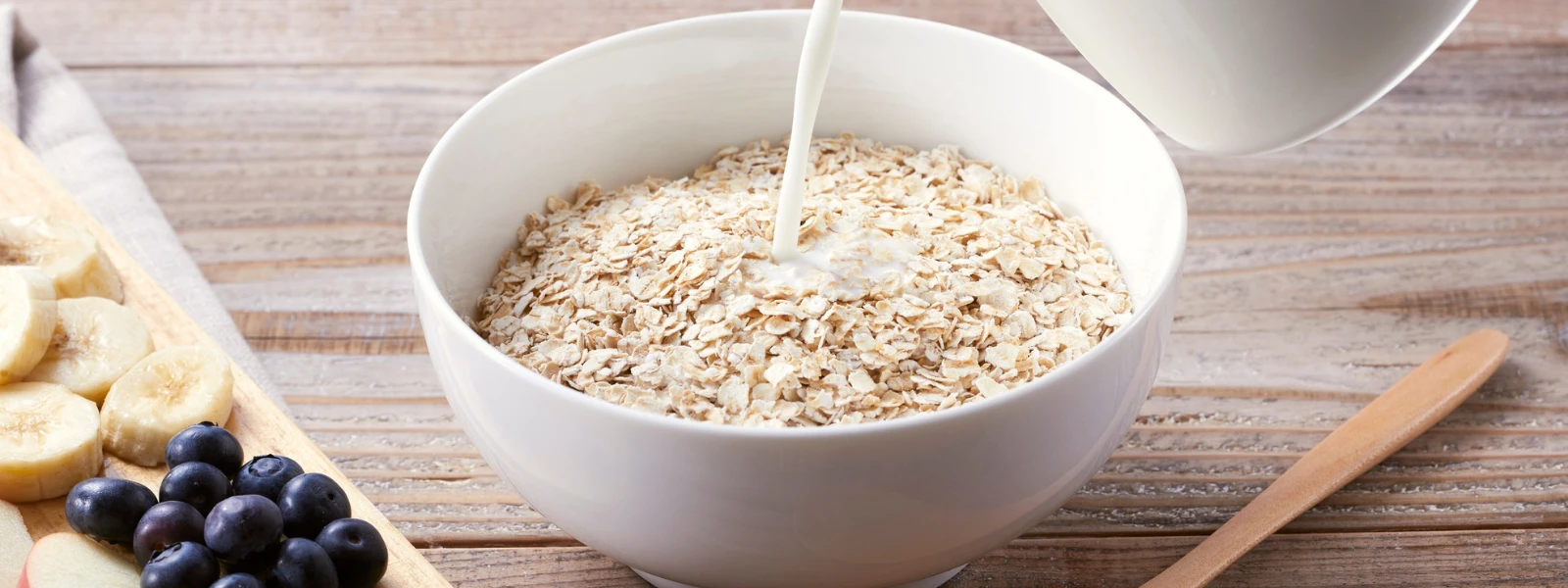


Oats have earned their reputation as a breakfast champion, but their protein content often gets overlooked. These humble grains pack more nutritional punch than most people realize, offering a complete package of macronutrients that can fuel your day and support your fitness goals. Whether you're an athlete seeking optimal performance or someone looking to enhance their daily nutrition, understanding the protein in oats can transform how you view this versatile grain.
This comprehensive guide will walk you through everything you need to know about oats protein content, from basic numbers to advanced nutritional strategies. You'll discover how different types of oats stack up in terms of protein, learn about their amino acid profile, and explore practical ways to maximize their protein benefits in your diet.
When examining how much protein in oats, the numbers might surprise you. A standard serving of oats contains approximately 5-6 grams of protein per half-cup of dry oats, which translates to about 40-45 grams of dry weight. This protein content makes oats one of the more protein-rich grains available, significantly outperforming rice, corn, and wheat in terms of protein density.
The oats protein content can vary slightly depending on the processing method and type you choose. Steel-cut oats typically contain the highest protein concentration, offering about 5.9 grams per 40-gram serving. These minimally processed oats retain more of their original nutritional structure, including protein content.
Rolled oats, the most common variety found in grocery stores, provide approximately 5.3 grams of protein per serving. The rolling process slightly reduces protein density but maintains most nutritional benefits. Instant oats, while convenient, contain the least protein at around 4.7 grams per serving due to additional processing.
When we look at oats nutritional value compared to other popular grains, oats consistently rank high in protein content. Brown rice contains only 2.6 grams of protein per serving, while quinoa offers about 4.4 grams. This makes oats an excellent choice for those seeking plant-based protein sources without relying solely on legumes or nuts.
Understanding oats macros provides a complete picture of their nutritional contribution. A 40-gram serving of dry oats contains approximately 150 calories, with protein making up about 15% of the total caloric content. The remaining calories come from complex carbohydrates (about 27 grams) and healthy fats (approximately 3 grams).
The protein in oatmeal stands out not just for quantity but also quality. Oats contain all nine essential AmIno aciDS, though they're not considered a complete protein due to lower lysine content. However, this amino acid profile is still impressive for a grain-based food source.
The primary protein types in oats include globulins and prolamins, which are easily digestible and well-absorbed by the body. This high bioavailability means your body can effectively utilize the protein for muscle synthesis, tissue repair, and other vital functions.
Did You Know?
Oats contain a unique protein called avenalin, which makes up about 80% of the total protein content. This protein is particularly rich in lysine compared to other cereal grains, making oats nutritionally superior to wheat, corn, and rice in terms of amino acid balance.
When examining oats protein per serving on a weight basis, 100 grams of dry oats contain approximately 13-17 grams of protein. This protein density places oats among the top tier of plant-based protein sources, making them an excellent foundation for protein-conscious meal planning.
Understanding how to optimize oats protein breakdown in your diet can significantly enhance your overall protein intake. The key lies in strategic pairing and preparation methods that complement the existing amino acid profile.
Combining oats with complementary protein sources creates a more complete amino acid profile. Adding nuts, seeds, or dairy products can fill the lysine gap while providing additional protein. A bowl of oatmeal topped with almonds and Greek yogurt can easily provide 15-20 grams of high-quality protein.
Plant-based combinations work equally well. Mixing oats with hemp seeds, chia seeds, or ground flaxseed not only boosts protein content but also adds healthy omega-3 fatty acids. These combinations create synergistic nutritional benefits that exceed the sum of their individual parts.
The way you prepare oats can impact protein availability. Soaking oats overnight in liquid helps break down phytic acid, which can inhibit protein absorption. This simple preparation step enhances the bioavailability of both protein and other nutrients.
Cooking oats at moderate temperatures preserves protein structure better than high-heat methods. Slow cooking or gentle simmering maintains the integrity of protein molecules, ensuring optimal absorption and utilization by your body.
While protein might be your primary focus, the oats nutritional value extends far beyond this single macronutrient. Oats provide substantial fiber content, with about 4 grams per serving, supporting digestive health and protein absorption.
Oats deliver essential vitamins and minerals that support protein metabolism. They're rich in manganese, phosphorus, magnesium, and zinc - all crucial for protein synthesis and muscle function. B-vitamins present in oats help convert protein into usable energy for your body.
The beta-glucan fiber in oats creates a favorable environment for protein absorption by slowing digestion and allowing for more complete nutrient uptake. This slower release also helps maintain steady energy levels throughout the day.
The combination of protein and complex carbohydrates in oats makes them ideal for both pre and post-workout nutrition. The sustained energy release supports endurance activities, while the protein content aids in muscle recovery and adaptation.
The versatility of oats protein composition makes it suitable for various dietary approaches and health goals. Whether you're following a plant-based diet, managing weight, or building muscle, oats can play a strategic role.
For those following vegetarian or vegan diets, oats provide a reliable protein source that's naturally free from animal products. When combined with legumes or other complementary proteins throughout the day, oats help ensure adequate amino acid intake.
The protein quality in oats surpasses many other plant-based options, making them a cornerstone food for those avoiding animal proteins. Their neutral taste and versatile texture allow for endless meal variations without compromising nutritional goals.
The protein in oats contributes to satiety, helping control appetite and reduce overall caloric intake. The combination of protein and fiber creates a feeling of fullness that lasts longer than simple carbohydrates alone.
This sustained satiety effect makes oats an excellent choice for those managing their weight while ensuring adequate protein intake. The slow-digesting nature prevents rapid blood sugar spikes that can trigger hunger and overeating.
Athletes can leverage oats protein benefits as part of a comprehensive nutrition strategy. The moderate protein content, combined with complex carbohydrates, provides both immediate energy and sustained fuel for training sessions.
Post-workout oat-based meals support recovery by providing protein for muscle repair and carbohydrates for glycogen replenishment. This dual benefit makes oats particularly valuable for endurance athletes and those engaged in regular training.
A typical bowl of cooked oatmeal made from half a cup of dry oats provides approximately 5-6 grams of protein. Adding milk instead of water can increase this to 8-10 grams, while toppings like nuts or seeds can push it even higher.
Oats contain all nine essential AmIno aciDS but are not considered a complete protein due to lower lysine content. However, they provide a better amino acid profile than most other grains and can be easily combined with other foods to create complete protein meals.
Yes, instant oats typically contain slightly less protein than steel-cut oats due to additional processing. Steel-cut oats provide about 5.9 grams per serving, while instant oats offer around 4.7 grams. The difference is small but measurable.
While oats alone won't maximize muscle building, they can be part of an effective muscle-building diet. The protein they provide, combined with their carbohydrate content, supports workout performance and recovery when included in a balanced nutrition plan.
Protein powders contain significantly more protein per serving than oats, typically providing 20-30 grams compared to oats' 5-6 grams. However, oats offer additional nutrients like fiber, vitamins, and minerals that protein powders may lack, making them complementary rather than competing options.
Oats deliver impressive protein content that often exceeds expectations, providing 5-6 grams of high-quality protein per serving along with essential amino acids and complementary nutrients. Their versatility makes them suitable for various dietary approaches, from plant-based eating to athletic performance nutrition. By understanding how to maximize their protein benefits through strategic combinations and proper preparation, you can leverage oats as a foundation for meeting your daily protein needs. The combination of protein, fiber, and complex carbohydrates in oats creates a nutritional powerhouse that supports sustained energy, muscle recovery, and overall health. Whether you choose steel-cut, rolled, or instant varieties, incorporating oats into your nutrition plan provides a reliable, affordable, and delicious way to boost your protein intake while enjoying numerous additional health benefits.



