Your Guide to 100g Oats Protein for Fitness
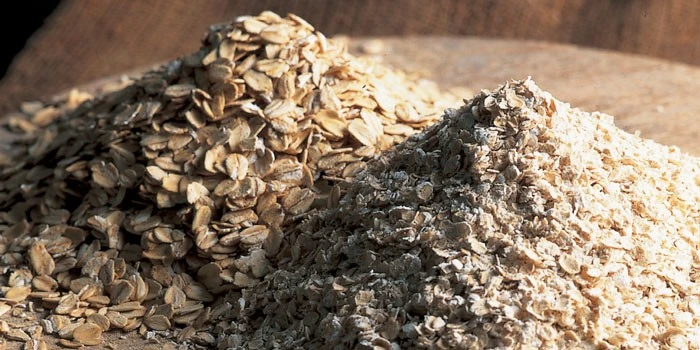


Oats have earned their reputation as a nutritional powerhouse, but their protein content often gets overlooked in the fitness world. While many athletes focus on traditional protein sources, 100g of oats delivers a surprising protein punch that can significantly impact your fitness journey. Understanding how oats protein content works for your body can revolutionize your approach to sports nutrition and help you achieve better performance results.
This comprehensive guide breaks down everything you need to know about oats nutrition, from the exact protein measurements to strategic ways of incorporating them into your fitness routine. Whether you're building muscle, training for endurance events, or simply looking to optimize your workout nutrition, oats offer unique benefits that complement your existing protein strategy.
When examining 100 gm oats protein content, the numbers reveal impressive nutritional density. A standard 100g serving of raw oats contains approximately 13-17g of protein, depending on the variety and processing method. This protein content places oats among the higher-protein grains, making them an excellent foundation for athletic nutrition.
The protein in oats comes primarily from a storage protein called avenalin, which differs from proteins found in wheat or other common grains. This unique protein structure provides a more complete amino acid profile than many plant-based sources, though it's not considered a complete protein on its own.
Beyond protein, 100g of oats delivers approximately 389 calories, 66g of carbohydrates, and 10g of fiber. The carbohydrate content provides sustained energy release, while the fiber supports digestive health and helps maintain stable blood sugar levels during extended workout sessions.
The fat content in oats reaches about 7g per 100g, primarily consisting of beneficial unsaturated fats. These healthy fats support hormone production and vitamin absorption, both crucial for athletic performance and recovery.
Oats for athletes provide essential micronutrients including manganese, phosphorus, magnesium, and zinc. These minerals play vital roles in energy metabolism, bone health, and muscle function. The Vitamin B complex present in oats supports energy conversion from macronutrients, making them particularly valuable for endurance activities.
Understanding how oats protein content supports athletic performance requires examining both the quantity and quality of amino acids present. While oats contain all essential AmIno aciDS, they're particularly rich in lysine, which many grains lack, though they're somewhat lower in leucine compared to animal proteins.
Oats for muscle building work through multiple pathways. The protein content supports muscle protein synthesis, while the carbohydrate content helps replenish glycogen stores depleted during intense training. This combination makes oats particularly effective for post-workout recovery when consumed within the optimal timing window.
The sustained energy release from oats nutrition helps maintain protein synthesis rates over extended periods. Unlike simple carbohydrates that cause rapid spikes and crashes, oats provide steady amino acid availability for ongoing muscle repair processes.
Pro Tip
Combining oats with a small amount of complete protein source like Greek yogurt or milk can create a more balanced amino acid profile, maximizing muscle protein synthesis potential while maintaining the sustained energy benefits of oats.
Oats for endurance athletes provide sustained energy without the digestive stress often associated with concentrated protein supplements. The beta-glucan fiber in oats helps stabilize blood sugar levels during long training sessions, preventing the energy crashes that can derail performance.
For strength athletes, oats for performance offer pre-workout fuel that doesn't cause digestive discomfort while providing enough protein to support immediate recovery needs. The gradual glucose release helps maintain focus and energy throughout extended training sessions.
Calculating your optimal oats consumption depends on your overall protein needs and training goals. For most athletes, incorporating 50-100g of oats daily can provide 6.5-17g of protein while delivering substantial carbohydrate energy for training demands.
Oats for workout nutrition work best when timed appropriately around training sessions. Consuming 50-75g of oats 2-3 hours before exercise provides sustained energy without digestive issues, while post-workout oats consumption supports both glycogen replenishment and protein synthesis.
For athletes following higher protein requirements, oats can serve as a foundation food that provides steady protein intake throughout the day. Combining morning oats with protein-rich toppings creates a balanced meal that supports both immediate energy needs and long-term muscle building goals.
Oats for sports nutrition benefit from proper preparation techniques that enhance protein bioavailability. Soaking oats overnight or cooking them thoroughly helps break down anti-nutrients that can interfere with protein absorption. Adding acidic ingredients like berries or yogurt can further improve mineral absorption.
Steel-cut oats retain more of their natural protein structure compared to instant varieties, though both provide beneficial nutrition. The key lies in choosing preparation methods that align with your digestive comfort and timing needs around training sessions.
While protein content often takes center stage, oats nutrition provides additional benefits that support overall athletic performance. The beta-glucan fiber in oats helps regulate cholesterol levels and supports cardiovascular health, crucial factors for endurance athletes and long-term fitness success.
Oats for recovery include cardiovascular benefits that extend beyond immediate post-workout nutrition. Regular oats consumption has been linked to improved heart health markers, which directly translate to better exercise capacity and faster recovery between training sessions.
The soluble fiber in oats helps maintain healthy blood pressure and improves overall circulation. Better cardiovascular function means more efficient oxygen and nutrient delivery to working muscles during exercise.
The prebiotic fiber in oats supports beneficial gut bacteria, which play increasingly recognized roles in immune function and nutrient absorption. A healthy digestive system better processes and utilizes protein from all sources, making oats a valuable addition to any athletic nutrition program.
Oats for fitness enthusiasts provide gentle fiber that supports regularity without causing digestive distress during training. This makes them particularly valuable for athletes who struggle with digestive sensitivity to other high-fiber foods.
Maximizing the benefits of 100 gm oats protein requires understanding how to integrate them strategically into comprehensive nutrition programs. Advanced athletes often use oats as part of periodized nutrition strategies that align with training cycles and competition schedules.
During intensive training periods, oats protein content provides steady amino acid availability without requiring complex meal planning. The consistent nutrition profile makes it easy to calculate exact intake amounts, crucial for athletes tracking macronutrient ratios.
For competition recovery, oats offer gentle nutrition that supports rebuilding without overwhelming compromised digestive systems. The combination of easily digestible protein and complex carbohydrates helps restore both muscle tissue and energy stores efficiently.
Oats work synergistically with various supplements commonly used by athletes. The carbohydrate content can enhance creatine uptake, while the protein provides a foundation that allows targeted amino acid supplementation to be more effective.
When combined with quality protein supplements, oats create a more complete nutritional profile that supports both immediate performance needs and long-term adaptation goals. The sustained energy release helps maintain elevated amino acid levels in the bloodstream for extended periods.
Many fitness enthusiasts underestimate oats protein content, assuming that only animal products or protein powders can meet athletic protein needs. Research demonstrates that well-planned plant-based protein sources, including oats, can effectively support muscle building and performance goals when consumed as part of a varied diet.
While oats don't provide a complete amino acid profile equivalent to animal proteins, they offer unique advantages including sustained energy release and additional micronutrients. The key lies in understanding how to combine oats with complementary protein sources to create optimal amino acid profiles.
For vegetarian and vegan athletes, oats for muscle building become particularly valuable when paired with legumes, nuts, or seeds. These combinations can provide complete amino acid profiles while delivering the sustained energy benefits that make oats unique among protein sources.
A 50g serving of oats contains approximately 6.5-8.5g of protein, which is exactly half the amount found in 100g. This makes portion control straightforward for athletes tracking their daily protein intake and allows for flexible meal planning based on individual needs.
Soaking oats overnight or cooking them thoroughly helps break down phytic acid and other compounds that can interfere with protein and mineral absorption. Adding vitamin C-rich foods like berries can further enhance iron absorption, while combining with dairy or plant milk provides complementary amino acids.
While oats provide substantial protein, most serious athletes require additional protein sources to meet their elevated needs. Oats work best as part of a diverse protein strategy that includes multiple sources throughout the day, providing both sustained energy and amino acids for recovery.
Steel-cut, rolled, and instant oats have similar protein content per 100g, with variations typically falling within 1-2g. The main differences lie in processing methods, fiber content, and glycemic response rather than total protein amount.
Quinoa provides about 14g of complete protein per 100g compared to oats' 13-17g of incomplete protein. However, oats offer superior carbohydrate content for energy and are often better tolerated digestively by athletes during training periods.
Understanding 100 gm oats protein content reveals this humble grain as a powerful ally in athletic nutrition. With 13-17g of protein per 100g serving, plus sustained energy and essential micronutrients, oats offer unique advantages for fitness enthusiasts at every level. The combination of protein, complex carbohydrates, and beneficial fiber creates a nutritional profile that supports both immediate performance needs and long-term health goals. Whether you're building muscle, training for endurance events, or maintaining general fitness, incorporating oats strategically into your nutrition plan can enhance your results while providing the sustained energy your body needs to perform at its best. Explore how optimized nutrition, including quality protein sources and targeted supplementation, can help you achieve your fitness goals more effectively.



