Unlock the Power of Peanut Protein: A Step-by-Step Guide
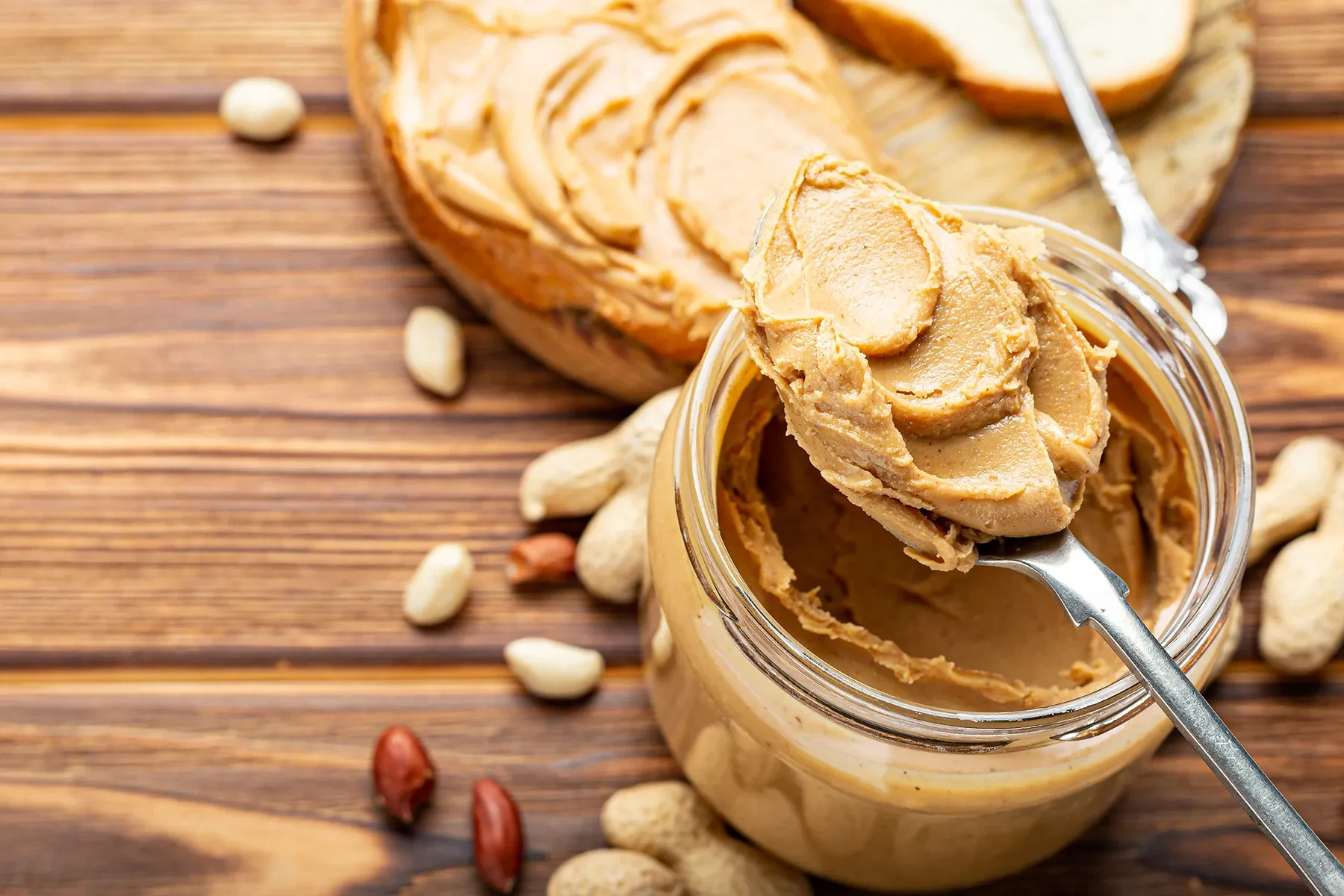


Did you know that a simple handful of peanuts packs nearly as much protein as a chicken drumstick? With 25.8g of protein per 100g, peanuts are quietly revolutionizing how we think about plant-based nutrition. For athletes, fitness enthusiasts, and anyone looking to optimize their protein intake, understanding peanut protein content opens up a world of performance-enhancing possibilities.
This comprehensive guide will walk you through everything you need to know about harnessing the power of peanut protein. From understanding its unique composition to mastering optimal consumption strategies, you'll discover why this humble legume deserves a starring role in your nutrition plan.
Peanut protein content stands out in the plant-based protein world for its impressive density and quality. Unlike many plant proteins that fall short on completeness, peanuts offer a surprisingly robust amino acid profile that supports muscle building and recovery.
When we examine peanut protein nutrition, the numbers tell an impressive story. Fresh peanuts contain approximately 25-26% protein by weight, making them one of the highest protein-containing nuts available. This protein consists of two main types: arachin and conarachin, which together provide most essential AmIno aciDS your body needs.
The protein quality in peanuts is enhanced by their rich micronutrient profile. Each serving delivers significant amounts of niacin, folate, and Vitamin E, which work synergistically with protein to support muscle function and recovery. The presence of healthy monounsaturated fats also aids in protein absorption, making peanut protein more bioavailable than many other plant sources.
When stacked against other popular plant proteins, peanuts hold their own remarkably well. While almonds contain about 21g of protein per 100g and cashews offer around 18g, peanuts consistently deliver more protein per serving. This makes them particularly valuable for athletes and active individuals who need to maximize protein intake from every food choice.
Did You Know?
Peanuts are technically legumes, not nuts, which explains their superior protein content compared to tree nuts. This legume classification means they share more nutritional similarities with beans and lentils than with almonds or walnuts.
Understanding how different preparation methods affect peanut protein content helps you make informed choices about incorporating them into your diet. Processing can significantly impact both protein density and bioavailability.
Raw peanuts maintain their full protein potential at 25.8g per 100g. The roasting process, surprisingly, has minimal impact on protein content, with roasted peanuts retaining 25.5-25.8g per 100g. The slight variation comes from moisture loss during roasting, which actually concentrates the protein content slightly.
However, the roasting process does improve protein digestibility. Heat treatment breaks down some of the anti-nutritional factors naturally present in raw peanuts, making the protein more accessible to your digestive system. This means roasted peanuts might actually provide better protein utilization despite the minimal numerical difference.
Boiled peanuts tell a different story entirely. The boiling process significantly reduces protein concentration to approximately 13.5g per 100g due to water absorption and some protein leaching. While still a good protein source, boiled peanuts require larger portions to match the protein density of raw or roasted varieties.
Peanut butter maintains impressive protein levels at around 25g per 100g, though this can vary based on processing methods and added ingredients. Natural peanut butter without added oils or sugars typically provides the highest protein concentration.
Peanut protein benefits extend far beyond simple protein content numbers. For athletes and active individuals, the unique characteristics of peanut protein offer specific performance advantages that make it worthy of serious consideration in sports nutrition.
The amino acid profile in peanuts provides solid support for muscle protein synthesis. While not technically a complete protein, peanuts contain substantial amounts of leucine, isoleucine, and valine - the branched-chain amino acids crucial for muscle recovery and growth. These amino acids trigger protein synthesis pathways that help repair and build muscle tissue after intense training.
Research indicates that plant-based proteins, including peanut protein, can effectively support muscle building when consumed as part of a varied diet. The key lies in combining peanut protein with complementary protein sources throughout the day to ensure a complete amino acid profile.
Unlike pure protein isolates that digest rapidly, whole peanuts provide a sustained release of amino acids due to their fiber and fat content. This slower digestion rate makes peanut protein particularly valuable for endurance athletes who need steady fuel during longer training sessions or competitions.
The combination of protein, healthy fats, and complex carbohydrates in peanuts creates an ideal macronutrient balance for sustained energy. This makes them excellent pre-workout fuel that won't cause digestive distress or energy crashes.
Maximizing the benefits of peanut protein content requires strategic planning around timing, portions, and combinations. Understanding when and how to consume peanuts can significantly impact their effectiveness in supporting your fitness goals.
For most active adults, incorporating 30-50g of peanuts daily provides approximately 7.5-12.5g of high-quality protein. This amount fits well within recommended daily protein targets while providing additional nutritional benefits from healthy fats and micronutrients.
Athletes with higher protein requirements might consume up to 100g of peanuts daily, contributing roughly 25g of protein to their total intake. However, this should be balanced with other protein sources to ensure amino acid completeness and prevent excessive calorie consumption from fats.
Pre-workout consumption of peanuts works best 1-2 hours before training, allowing time for digestion while providing sustained energy. A serving of 20-30g provides adequate protein and energy without causing digestive discomfort during exercise.
Post-workout, peanuts can be combined with faster-digesting carbohydrates to create an effective recovery snack. The protein supports muscle repair while the fats aid in the absorption of fat-soluble vitamins and provide anti-inflammatory benefits.
While whole peanuts provide excellent nutrition, peanut protein powder and peanut protein isolate offer concentrated alternatives for athletes with specific performance goals or dietary restrictions.
Peanut protein powder typically contains 50-70% protein by weight, significantly higher than whole peanuts. This concentration makes it easier to meet high protein targets without consuming excessive calories from fats. The powder form also allows for versatile use in smoothies, baked goods, and recovery drinks.
Quality peanut protein powder should be minimally processed, retaining the natural amino acid profile while removing most fats and carbohydrates. Look for products that specify the protein content per serving and avoid those with excessive additives or artificial ingredients.
Peanut protein isolate represents the most concentrated form, often containing 80-90% protein. This high concentration makes it particularly valuable for athletes following strict macronutrient targets or those with limited calorie allowances.
The isolate form digests more rapidly than whole peanuts, making it suitable for immediate post-workout consumption when quick protein delivery is desired. However, the processing required to create isolates may reduce some of the additional nutritional benefits found in whole peanuts.
Pro Tip
When selecting peanut protein supplements, choose products that clearly state their protein content per serving and provide third-party testing results for purity and quality. Avoid products with excessive artificial ingredients or unclear labeling.
Getting the most from peanut protein content requires understanding how to optimize absorption and combine it effectively with other nutrients. Simple strategies can significantly enhance the biological value of peanut protein.
Pairing peanuts with complementary proteins throughout the day ensures amino acid completeness. Combining peanut protein with grains, seeds, or small amounts of dairy creates more complete protein profiles that better support muscle building and recovery.
Adding Vitamin C-rich foods enhances iron absorption from peanuts, while combining them with healthy carbohydrates improves overall nutrient uptake. This synergistic approach maximizes the nutritional value of every serving.
Proper preparation can improve peanut protein digestibility. Soaking raw peanuts before consumption reduces anti-nutritional factors, while moderate roasting enhances protein availability. Chewing thoroughly also aids digestion and protein absorption.
For those with sensitive digestion, starting with smaller portions and gradually increasing intake allows the digestive system to adapt. Removing peanut skins can also reduce fiber content and improve tolerance for some individuals.
Yes, consuming 20 peanuts daily (approximately 10-12g) is perfectly safe for most people and provides about 2.5-3g of protein. This amount fits well within recommended daily nut consumption guidelines and provides beneficial nutrients without excessive calories.
Two tablespoons of peanuts (roughly 20g) contain approximately 5-5.5g of protein. This makes them an excellent snack option for adding protein to your daily intake alongside other essential nutrients like healthy fats and micronutrients.
Absolutely. Peanuts provide high-quality plant-based protein with a good amino acid profile. While not technically complete proteins, they offer substantial amounts of essential amino acids and can effectively contribute to daily protein requirements when part of a varied diet.
While 100g of peanuts daily provides excellent protein (about 25g), this amount also delivers significant calories (around 570) and fats. This intake is suitable for active individuals with higher calorie needs but may be excessive for sedentary people trying to maintain weight.
Peanut protein can support muscle building effectively, though it digests more slowly than whey protein. While whey provides faster amino acid delivery ideal for immediate post-workout recovery, peanut protein offers sustained amino acid release and additional nutritional benefits that support overall health and performance.
Peanut protein content represents a powerful tool in the modern athlete's nutritional arsenal. With 25.8g of protein per 100g and a robust amino acid profile, peanuts offer exceptional value for muscle building, recovery, and sustained energy. Whether consumed whole, as powder, or in isolate form, peanut protein provides versatile options for meeting performance nutrition goals. The key to maximizing benefits lies in strategic consumption, proper preparation, and combining peanut protein with complementary nutrients throughout the day. As plant-based nutrition continues to gain recognition in sports performance, peanut protein stands out as an accessible, affordable, and effective option for athletes and fitness enthusiasts alike.



