7 Collagen Fruits for Radiant, Youthful Skin
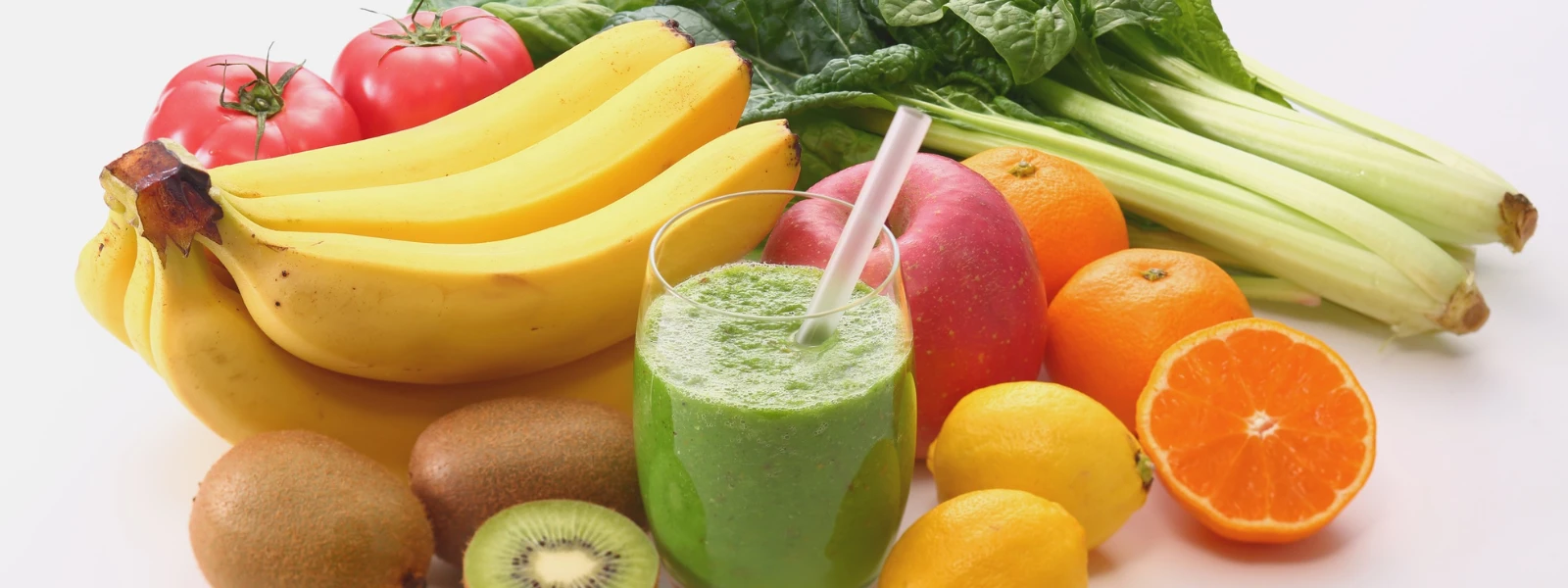


Your skin's natural collagen production begins to decline by 1% each year after age 25, making the search for natural ways to support this vital protein more important than ever. While many turn to expensive treatments and supplements, nature offers a delicious solution through collagen fruits - nutrient-dense foods that naturally boost your body's ability to produce and maintain healthy collagen levels.
This comprehensive guide explores seven scientifically-backed collagen fruits that can transform your skin health from within. You'll discover how these vitamin C fruits work at the cellular level to support collagen synthesis, protect existing collagen from damage, and provide the antioxidants your skin needs for a radiant, youthful appearance.
Collagen fruits don't actually contain collagen themselves - instead, they provide the essential nutrients your body needs to produce collagen naturally. These fruits for skin health are rich in vitamin C, antioxidants, and other compounds that support the complex process of collagen synthesis.
Vitamin C serves as a crucial cofactor in collagen production, helping convert amino acids into the triple-helix structure that gives skin its strength and elasticity. Without adequate vitamin C, your body cannot produce functional collagen, regardless of how much protein you consume.
The antioxidants found in these natural collagen sources also play a protective role. They neutralize free radicals that break down existing collagen and accelerate skin aging. This dual action - supporting new collagen production while protecting what you already have - makes collagen boosting fruits an essential part of any skin health routine.
Research published in the American Journal of Clinical Nutrition demonstrates that vitamin C intake directly correlates with better skin appearance and reduced signs of aging. The vitamin works by activating enzymes called prolyl and lysyl hydroxylases, which are essential for collagen stability.
Studies show that people with higher vitamin C intake have fewer wrinkles and better skin texture. The antioxidant properties of fruits rich in antioxidants also protect against photoaging caused by UV exposure and environmental pollutants.
Flavonoids and polyphenols found in many collagen fruits provide additional benefits by improving circulation to the skin and reducing inflammation that can interfere with collagen production. This creates an optimal environment for healthy skin cell turnover and repair.
Oranges, lemons, and grapefruits top the list of best fruits for collagen production due to their exceptional vitamin C content. A single orange provides over 90mg of vitamin C - more than the daily recommended intake for most adults.
The bioavailability of vitamin C from citrus fruits is particularly high, meaning your body can easily absorb and utilize these nutrients. The white pith beneath the peel contains additional flavonoids that enhance vitamin C absorption and provide extra antioxidant protection.
Strawberries, blueberries, and blackberries offer a unique combination of vitamin C and anthocyanins - powerful compounds that give berries their vibrant colors. These skin beauty fruits provide both collagen support and protection against collagen breakdown.
Research indicates that regular berry consumption can improve skin elasticity and reduce signs of aging. The anti-inflammatory properties of berries also help calm skin irritation and support healthy healing processes.
Kiwi fruit contains nearly twice the vitamin C of oranges, making it one of the most potent fruits for healthy skin. A single kiwi provides over 150mg of vitamin C, along with vitamin E and antioxidants that work synergistically to support collagen production.
The unique combination of nutrients in kiwi also supports iron absorption, which is important for healthy circulation and nutrient delivery to skin cells.
Pineapple offers vitamin C plus bromelain, an enzyme with anti-inflammatory properties that may help reduce skin irritation and support healing. This makes pineapple particularly beneficial for those dealing with acne or other inflammatory skin conditions.
Fresh pineapple is preferable to canned varieties, as processing can reduce both vitamin C content and bromelain activity.
Pomegranates contain unique compounds called punicalagins that have been shown to protect existing collagen from breakdown. Studies suggest that pomegranate extract can help preserve skin thickness and elasticity as we age.
The fruit's high antioxidant content also supports overall skin health by protecting against environmental damage and supporting cellular repair processes.
Papaya provides vitamin C along with vitamin A and E, creating a powerful antioxidant combination for skin health. The fruit also contains lycopene, which may help protect against UV damage and support skin hydration.
The enzymes in papaya can aid in nutrient absorption, helping your body make the most of the collagen-supporting nutrients you consume.
Mangoes combine vitamin C with beta-carotene, which converts to vitamin A in the body. This combination supports both collagen production and skin cell turnover, contributing to a healthy, radiant complexion.
The natural sugars in mango also provide energy for cellular repair processes, while the fruit's high water content supports skin hydration.
Did You Know?
Your body cannot store vitamin C, so consistent daily intake from collagen fruits is essential for maintaining optimal collagen production. The vitamin has a half-life of just 30 minutes in your bloodstream, making regular consumption throughout the day more effective than large single doses.
To get the most from these fruits for youthful skin, timing and preparation matter. Consuming vitamin C-rich fruits with meals can enhance iron absorption, which supports healthy circulation and nutrient delivery to skin cells.
Combining different collagen fruits throughout the day ensures a steady supply of nutrients. For example, starting with citrus at breakfast, berries as a snack, and tropical fruits with lunch provides sustained collagen support.
Fresh fruits generally provide more nutrients than processed alternatives. When fresh options aren't available, frozen fruits can be a good alternative, as they're typically frozen at peak ripeness when nutrient levels are highest.
Pairing these fruits with healthy fats like nuts or seeds can enhance the absorption of fat-soluble vitamins and provide additional nutrients that support skin health.
Kiwi fruit offers the highest vitamin C content per serving, making it exceptionally effective for collagen production. However, variety is key - different fruits provide unique combinations of nutrients that work together to support skin health.
Dried fruits retain many nutrients but often have reduced vitamin C content due to processing. Fresh or frozen fruits are generally better choices for collagen support, though dried fruits can still contribute valuable antioxidants to your diet.
Aim for 2-3 servings of vitamin C-rich fruits daily to support optimal collagen production. This provides well above the recommended daily vitamin C intake while ensuring a variety of beneficial compounds for skin health.
Whole fruits are preferable because they provide fiber and have a more gradual impact on blood sugar. If choosing juices, opt for fresh-pressed varieties without added sugars and consume them alongside fiber-rich foods.
Most people notice improvements in skin texture and hydration within 4-6 weeks of consistent consumption. More significant changes in elasticity and fine lines may take 2-3 months, as collagen turnover is a gradual process.
Incorporating these seven collagen fruits into your daily routine provides a natural, science-backed approach to supporting skin health from within. The combination of vitamin C, antioxidants, and other beneficial compounds found in these fruits works synergistically to boost collagen production while protecting existing collagen from damage. Remember that consistency is key - regular consumption of these nutrient-dense fruits, combined with a balanced diet and healthy lifestyle, can help you achieve the radiant, youthful skin you desire. Consider exploring comprehensive wellness solutions that support your skin health goals alongside these dietary changes for optimal results.



