7 Vitamin C Benefits for Skin & Immunity
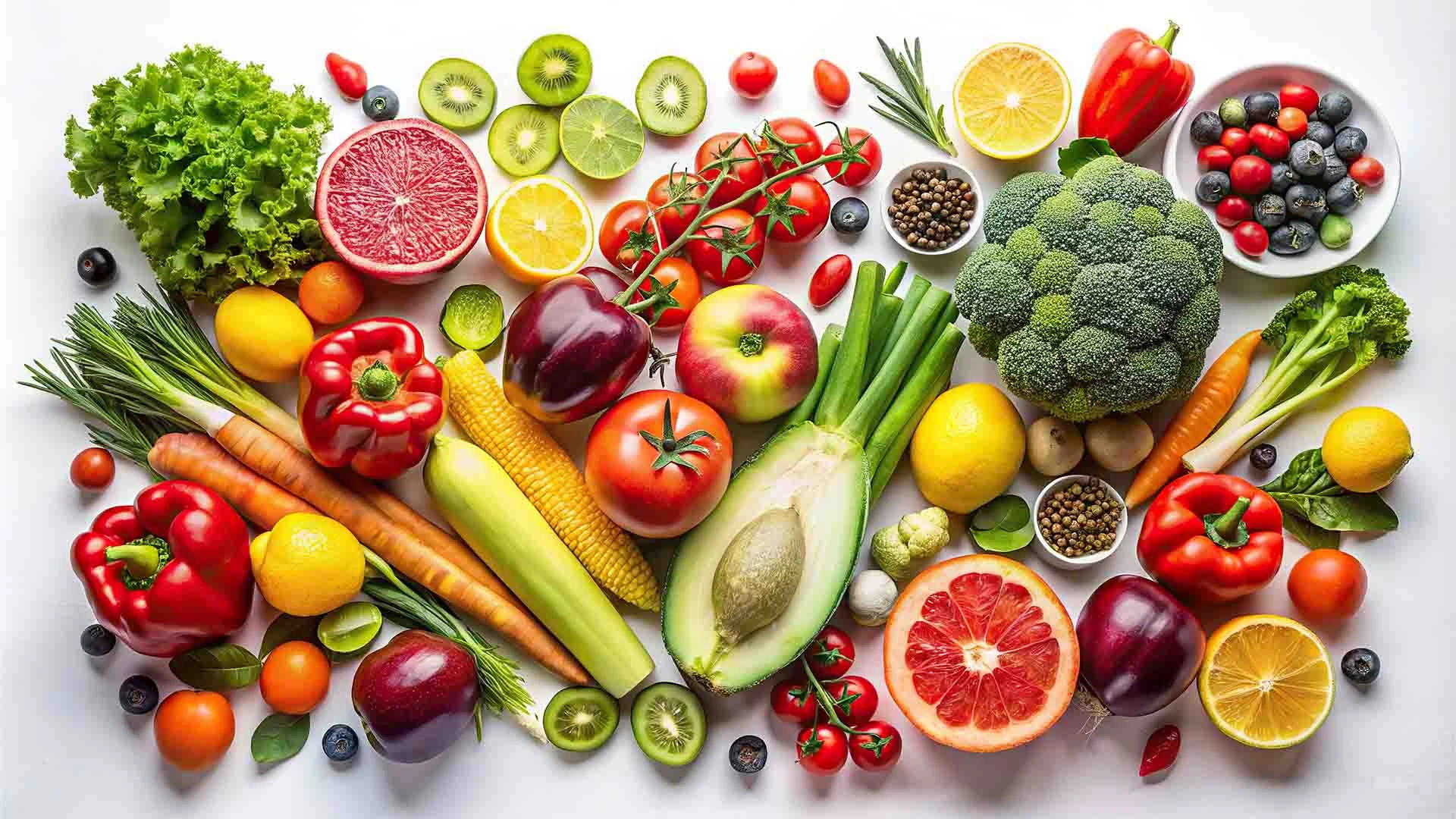


Vitamin C stands as one of nature's most powerful allies for both skin radiance and immune strength. This essential nutrient, scientifically known as ascorbic acid, orchestrates countless vital processes within your body. From stimulating collagen production for youthful skin to fortifying your immune defenses against infections, the vitamin C benefits extend far beyond what most people realize.
Understanding how this remarkable antioxidant works can help you harness its full potential for optimal health. Whether you're seeking that coveted healthy glow or looking to strengthen your body's natural defenses, the science behind Vitamin C reveals why it deserves a central place in your wellness routine.
Vitamin C, or ascorbic acid, functions as a water-soluble vitamin that your body cannot produce on its own. This means you must obtain it through food sources or supplements to maintain adequate levels. Unlike many nutrients that your body can store, Vitamin C requires daily replenishment since excess amounts are eliminated through urine.
The nutrient serves as a cofactor in numerous enzymatic reactions throughout your body. These reactions are essential for synthesizing collagen, metabolizing certain amino acids, and maintaining healthy connective tissues. Research published in the Journal of Nutritional Biochemistry demonstrates that Vitamin C also acts as a powerful antioxidant, neutralizing harmful free radicals that can damage cells and accelerate aging processes. For more information on its role in metabolism, consult scientific literature or health organizations.
At the molecular level, ascorbic acid benefits your body by donating electrons to neutralize reactive oxygen species. This process protects your cells from oxidative stress, which contributes to premature aging and various health concerns. The vitamin also supports the regeneration of other antioxidants like Vitamin E, creating a synergistic protective effect throughout your system.
When it comes to vitamin C for skin, the benefits are both visible and scientifically proven. The nutrient plays several crucial roles in maintaining healthy, vibrant skin that goes beyond surface-level improvements.
Collagen production represents one of Vitamin C's most significant contributions to skin health. This structural protein provides the framework that keeps your skin firm, elastic, and smooth. As you age, natural collagen synthesis decreases, leading to fine lines, wrinkles, and sagging skin.
Vitamin C acts as an essential cofactor for the enzymes responsible for collagen synthesis. Without adequate Vitamin C levels, your body cannot produce stable, functional collagen. Studies show that consistent Vitamin C intake can significantly improve skin texture and reduce visible signs of aging by supporting your body's natural collagen production processes.
The skin brightening properties of Vitamin C stem from its ability to inhibit melanin production. Melanin is the pigment responsible for dark spots, age spots, and uneven skin tone. By interfering with the enzyme tyrosinase, which catalyzes melanin formation, Vitamin C helps create a more uniform complexion.
Research indicates that both topical Vitamin C serum applications and oral supplementation can contribute to improved skin radiance. The antioxidant properties also help protect against environmental damage from UV radiation and pollution, which can cause further pigmentation issues.
Your skin faces constant exposure to environmental stressors that generate free radicals. These include UV radiation, pollution, and even blue light from electronic devices. Vitamin C's antioxidant benefits provide a protective shield against these damaging factors.
When applied topically or consumed orally, Vitamin C helps neutralize free radicals before they can damage skin cells. This protective action helps prevent premature aging, maintains skin elasticity, and supports your skin's natural repair processes.
Did You Know?
Your skin contains some of the highest concentrations of Vitamin C in your entire body. Healthy skin can contain up to 64 mg of Vitamin C per 100 grams of tissue, highlighting its crucial role in skin function and appearance.
The immune system boost provided by Vitamin C has been recognized for decades. This nutrient supports multiple aspects of immune function, making it essential for maintaining optimal health and disease resistance.
Vitamin C plays a vital role in supporting white blood cell production and function. These cells form the backbone of your immune system, identifying and eliminating harmful pathogens. Research shows that Vitamin C enhances the production of lymphocytes and phagocytes, two critical types of white blood cells.
The nutrient also helps these immune cells function more effectively. It protects them from damage caused by free radicals generated during the immune response, ensuring they can continue fighting infections efficiently.
Studies demonstrate that adequate Vitamin C levels can help reduce the duration and severity of common infections. While it may not prevent all illnesses, maintaining optimal Vitamin C status supports your body's ability to mount an effective immune response when challenged by pathogens.
The antioxidant benefits of Vitamin C also extend to protecting immune cells from oxidative damage during periods of increased activity, such as when fighting infections or recovering from illness.
Your skin and mucous membranes serve as the first line of defense against pathogens. Vitamin C supports the integrity of these barrier functions by promoting collagen synthesis and maintaining healthy epithelial cells. This creates a stronger physical barrier against potential invaders.
The benefits of Vitamin C extend throughout your entire body, supporting numerous physiological processes that contribute to overall wellness and vitality.
Vitamin C significantly enhances the absorption of non-heme iron, the type found in plant-based foods. This is particularly important for individuals following vegetarian or vegan diets. The ascorbic acid converts iron into a more readily absorbed form, helping prevent iron deficiency and supporting healthy energy levels.
Research suggests that adequate Vitamin C intake may support cardiovascular health through multiple mechanisms. The antioxidant properties help protect blood vessels from oxidative damage, while the nutrient also supports healthy blood pressure levels and endothelial function.
The role of Vitamin C in wound healing relates directly to its involvement in collagen synthesis. Proper wound healing requires new collagen formation to rebuild damaged tissue. Individuals with adequate Vitamin C levels typically experience faster healing times and better tissue repair.
Understanding how to maximize Vitamin C benefits requires knowledge of the best sources and optimal intake strategies for your individual needs.
Many Vitamin C foods provide excellent bioavailable sources of this essential nutrient. Citrus fruits like oranges and grapefruits are well-known sources, but other foods often contain even higher concentrations. Bell peppers, strawberries, kiwi fruits, and cruciferous vegetables like broccoli and Brussels sprouts all provide substantial amounts of Vitamin C.
Tropical fruits such as guava, papaya, and pineapple also offer impressive Vitamin C content. Including a variety of these foods in your daily diet helps ensure consistent nutrient intake while providing additional beneficial compounds like fiber and other vitamins.
The recommended daily allowance for Vitamin C varies based on age, gender, and individual circumstances. Adult men typically require around 90 mg daily, while adult women need approximately 75 mg. However, certain conditions may increase your requirements.
Factors such as smoking, stress, illness, and intense physical activity can increase your Vitamin C needs. Some research suggests that higher intakes may provide additional benefits, though it's important to stay within safe upper limits to avoid potential side effects.
Benefits of Vitamin C supplements can complement a healthy diet, especially for individuals who struggle to meet their needs through food alone. Quality supplements provide consistent dosing and can be particularly helpful during times of increased need or limited access to fresh produce.
When choosing supplements, look for products that have been third-party tested for purity and potency. Some forms, such as buffered Vitamin C, may be gentler on the stomach for those who experience digestive sensitivity.
Different delivery methods for Vitamin C offer unique advantages depending on your specific goals and preferences.
Vitamin C serum products allow direct application to the skin, providing targeted benefits for skin brightening, collagen support, and antioxidant protection. Topical applications can achieve higher local concentrations than oral supplementation alone.
Look for serums with stable forms of Vitamin C, such as magnesium ascorbyl phosphate or sodium ascorbyl phosphate, which resist oxidation better than pure ascorbic acid.
Oral Vitamin C intake through foods and supplements provides systemic benefits throughout your body. This approach supports immune function, collagen production, and overall antioxidant status more comprehensively than topical applications alone.
For optimal absorption, consider dividing your daily intake into smaller doses throughout the day, as your body can only absorb limited amounts at one time.
While Vitamin C is generally safe for most people, understanding potential considerations helps ensure you optimize benefits while minimizing any risks.
High doses of Vitamin C may cause digestive upset in some individuals. Symptoms can include nausea, diarrhea, or stomach cramps. These effects are typically dose-dependent and resolve when intake is reduced.
Most adults can safely consume up to 2,000 mg daily without experiencing adverse effects, though individual tolerance may vary.
Certain health conditions may require modified Vitamin C intake. Individuals with kidney stones, hemochromatosis, or other specific health concerns should consult healthcare providers before significantly increasing their Vitamin C consumption.
Pregnant and breastfeeding women have slightly increased Vitamin C requirements and should ensure adequate intake through diet and appropriate supplementation if needed.
Yes, daily Vitamin C intake is not only safe but necessary since your body cannot produce or store this essential nutrient. Regular consumption through food or supplements helps maintain optimal levels for immune function and overall health.
Most people begin noticing improvements in skin brightness and texture within 4-6 weeks of consistent Vitamin C use. However, more significant changes in collagen production and anti-aging benefits may take 2-3 months of regular intake to become apparent.
Vitamin C generally has minimal drug interactions, but it can enhance iron absorption and may affect the effectiveness of certain chemotherapy drugs. Always consult your healthcare provider if you take medications and plan to significantly increase your Vitamin C intake.
Vitamin C can be taken at any time of day, though taking it with food may help reduce potential stomach upset. Dividing your daily dose into smaller amounts taken throughout the day can improve absorption and utilization.
Both natural food sources and quality supplements can effectively provide Vitamin C benefits. Foods offer additional nutrients and compounds that work synergistically, while supplements provide consistent dosing and convenience. The best approach often involves combining both strategies.
Vitamin C stands as a cornerstone nutrient for both radiant skin and robust immune function. From supporting collagen production and skin brightening to enhancing your body's natural defense mechanisms, the benefits of this essential vitamin touch nearly every aspect of your health. Whether you choose to increase your intake through nutrient-rich foods, quality supplements, or topical applications, consistent Vitamin C consumption can significantly impact your overall wellness and vitality. As you explore ways to optimize your health naturally, consider how this powerful antioxidant can support your journey toward better skin, stronger immunity, and enhanced overall well-being.



