8 Secrets to Achieving a Natural Tan Skin Glow
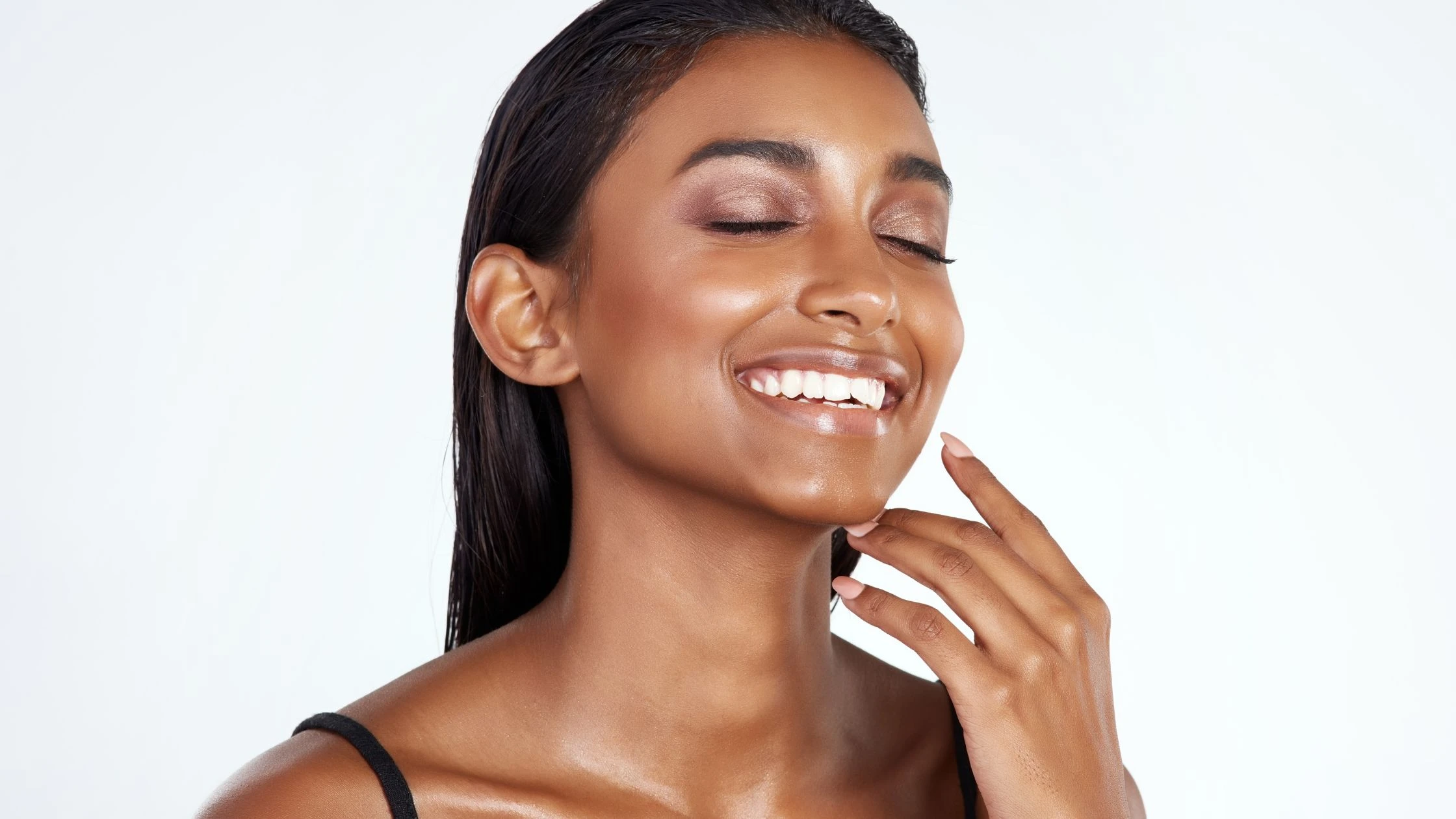


The quest for that perfect sun-kissed complexion has captivated beauty enthusiasts for generations. While achieving a natural tan skin glow might seem straightforward, the process involves much more than simply lying in the sun. Understanding the science behind tanning, implementing safe practices, and nourishing your skin from within creates the foundation for healthy, radiant skin that glows naturally.
Your journey to luminous skin begins with knowledge. The tanning process involves complex interactions between UV radiation and your skin's natural defense mechanisms. This comprehensive guide reveals eight proven secrets that help you achieve that coveted bronzed skin appearance while prioritizing your skin's health and safety.
Understanding how your skin creates a natural glow starts with melanin, the pigment responsible for your natural skin tone. When UV rays penetrate your skin, specialized cells called melanocytes produce melanin as a protective response. This natural defense mechanism creates the bronzed appearance many people desire.
Your genetic makeup significantly influences how your skin responds to sun exposure. Some individuals naturally produce more melanin, allowing them to achieve a deeper tan more easily. Others may have skin that burns quickly and tans minimally. Recognizing your skin type helps you develop a realistic approach to achieving your desired sun-kissed look.
The tanning process occurs in stages. Initial exposure triggers melanin production, which takes approximately 48-72 hours to become visible. Your skin gradually builds protective pigmentation through repeated, controlled exposure. This natural timeline cannot be rushed without risking skin damage.
Research published in dermatological journals shows that gradual melanin buildup provides better protection against UV damage compared to sudden, intense exposure. This scientific understanding forms the basis for safe tanning practices that promote healthy skin while achieving the desired aesthetic results.
Preparing your skin before sun exposure significantly impacts your tanning success and safety. Well-prepared skin tans more evenly and maintains its radiant appearance longer. This preparation phase involves both internal and external approaches to skin health.
Hydration forms the cornerstone of effective pre-tanning preparation. Well-hydrated skin cells function optimally, producing melanin more efficiently while maintaining their structural integrity. Begin increasing your water intake several days before planned sun exposure, aiming for at least 8-10 glasses daily.
Your diet directly influences your skin's ability to handle UV exposure and maintain its healthy appearance. Foods rich in antioxidants, particularly those containing beta-carotene, Vitamin C, and Vitamin E, support your skin's natural defense mechanisms.
Incorporate colorful fruits and vegetables into your daily meals. Carrots, sweet potatoes, spinach, and tomatoes provide nutrients that enhance your skin's natural protective abilities. These foods also contribute to an overall healthy complexion that serves as the perfect canvas for your natural tan.
Did You Know?
Studies indicate that consuming lycopene-rich foods like tomatoes and watermelon can increase your skin's natural SPF by up to 25%. This internal protection complements external sun safety measures, creating a comprehensive approach to achieving healthy, glowing skin.
Achieving a beautiful sun-kissed complexion requires strategic timing and proper technique. The intensity and angle of UV rays vary significantly throughout the day, making timing crucial for both safety and effectiveness.
The optimal tanning window occurs during morning hours (8-10 AM) and late afternoon (4-6 PM) when UV rays are less intense. These periods allow for gradual melanin stimulation without the harsh midday radiation that can cause burning and skin damage.
Start with short exposure periods of 10-15 minutes, gradually increasing by 5-10 minutes every few days. This progressive approach allows your skin to build protective melanin safely while reducing the risk of overexposure. Monitor your skin's response carefully, adjusting exposure times based on any redness or sensitivity.
Position yourself to receive even sun exposure, rotating periodically to ensure uniform tanning. Avoid falling asleep in the sun, as this often leads to uneven exposure and potential burning. Set timers to maintain awareness of your exposure duration.
Even when pursuing a natural tan, protection remains essential. Use broad-spectrum sunscreen with appropriate SPF on sensitive areas like your face, shoulders, and any areas prone to burning. This selective protection allows controlled tanning while preventing damage to vulnerable skin.
Choose lightweight, breathable clothing that provides coverage when needed. Wide-brimmed hats protect your face and scalp, while UV-protective sunglasses shield the delicate eye area. These accessories allow you to extend your outdoor time safely while achieving your desired bronzed skin appearance.
Developing and maintaining a natural tan requires consistency and patience. Your skin needs time to produce melanin and adapt to increased UV exposure. Rushing this process often leads to burning, peeling, and ultimately, poor tanning results.
Monitor your skin's response daily, looking for signs of overexposure such as redness, tenderness, or excessive warmth. These symptoms indicate that your skin needs recovery time before additional sun exposure. Respecting these signals prevents damage and ensures steady progress toward your tanning goals.
Between tanning sessions, focus on skin recovery and repair. Cool showers, gentle cleansing, and immediate moisturizing help maintain skin health. Avoid hot water and harsh scrubbing, which can strip away developing pigmentation and cause irritation.
Apply moisturizer while your skin is still slightly damp to lock in hydration. Look for products containing natural ingredients like aloe vera, coconut oil, or shea butter. These ingredients soothe skin while supporting the natural healing process.
Once you achieve your desired natural glow, maintenance becomes crucial for preserving your results. Your tan will naturally fade as skin cells shed and renew themselves, typically lasting 7-10 days without additional sun exposure.
Consistent moisturizing extends your tan's lifespan by slowing the natural exfoliation process. Apply moisturizer twice daily, focusing on areas that tend to fade quickly such as elbows, knees, and ankles. This routine keeps your skin supple and your tan even.
Continue supporting your skin from within through proper nutrition and targeted supplementation. Marine collagen peptides provide essential building blocks for healthy skin structure, potentially helping maintain your skin's smooth, radiant appearance as it naturally renews itself.
Adequate protein intake supports skin cell regeneration and repair. Quality protein sources ensure your body has the necessary amino acids for maintaining healthy, glowing skin throughout the natural cell turnover process.
Sometimes you may want to lighten an overly dark tan or address uneven pigmentation. Natural ingredients offer gentle alternatives to harsh chemical treatments, allowing you to adjust your tan while nourishing your skin.
Lemon juice contains natural citric acid that can help lighten skin gradually. Mix fresh lemon juice with honey to create a gentle mask that brightens skin while providing moisturizing benefits. Apply this mixture for 15-20 minutes before rinsing with cool water.
Regular exfoliation helps maintain even pigmentation by removing dead skin cells that can create patchy appearances. Use gentle, natural exfoliants like sugar mixed with coconut oil or finely ground oats combined with yogurt.
Turmeric and yogurt create an effective natural brightening mask. The anti-inflammatory properties of turmeric combined with yogurt's gentle acids help even out skin tone while providing nourishment. Apply this mixture twice weekly for gradual, natural lightening effects.
Cucumber provides cooling and mild bleaching properties. Blend fresh cucumber into a paste and apply as a mask, or simply place thin cucumber slices on areas you want to lighten. The high water content also provides additional hydration.
Achieving and maintaining beautiful, healthy skin extends beyond surface treatments. Your skin reflects your overall health, making internal support crucial for sustained radiance and natural beauty.
Magnesium plays a vital role in skin health by supporting cellular repair processes and reducing inflammation. Adequate magnesium levels help your skin recover from sun exposure more effectively while maintaining its natural barrier function.
Quality sleep allows your skin to repair and regenerate naturally. During deep sleep, your body increases blood flow to skin cells, delivering nutrients and removing waste products. This natural renewal process is essential for maintaining healthy, glowing skin.
Chronic stress can interfere with skin health by triggering inflammation and disrupting normal cellular processes. Implementing stress reduction techniques such as meditation, regular exercise, or relaxation practices supports your skin's natural ability to maintain its radiant appearance.
While moderate sun exposure provides Vitamin D and can create an attractive appearance, any change in skin color indicates DNA damage at the cellular level. The key lies in moderation and protection. Brief, controlled exposure with proper preparation and aftercare minimizes risks while allowing you to achieve a subtle glow. Always prioritize skin health over aesthetic goals.
A natural tan generally lasts 7-10 days without additional sun exposure, as your skin naturally sheds and regenerates cells. The duration depends on your skin type, aftercare routine, and natural cell turnover rate. Proper moisturizing and gentle skincare can extend this timeframe slightly by slowing the exfoliation process.
Individuals with fair skin can develop a subtle tan with extreme caution and patience. Fair-skinned people typically have less natural melanin production, making them more susceptible to burning. These individuals should focus on very gradual exposure, higher SPF protection, and may need to accept a lighter degree of tanning to maintain skin health.
A tan represents your skin's protective response to UV exposure, involving increased melanin production. However, this process still involves cellular damage. Sun damage becomes apparent through symptoms like burning, peeling, premature aging, or changes in skin texture. The goal is minimizing damage while achieving desired aesthetic results through careful, controlled exposure.
Yes, facial skin is thinner and more sensitive than body skin, requiring extra protection and shorter exposure times. Consider using higher SPF on your face while allowing your body longer exposure periods. Many people choose to protect their faces entirely while tanning their bodies, then use natural bronzing methods or makeup to achieve facial color coordination.
Achieving a natural tan skin glow safely requires patience, preparation, and respect for your skin's limits. The eight secrets outlined in this guide emphasize gradual progression, proper protection, and comprehensive skin support through nutrition and care. Remember that healthy, radiant skin comes from consistent care rather than quick fixes or extreme measures. By implementing these evidence-based strategies, you can work toward your desired sun-kissed complexion while maintaining your skin's long-term health and natural beauty. The most attractive glow comes from skin that's genuinely healthy, well-nourished, and cared for both inside and out.



