8 Skin & Hair Supplements for a Radiant Glow
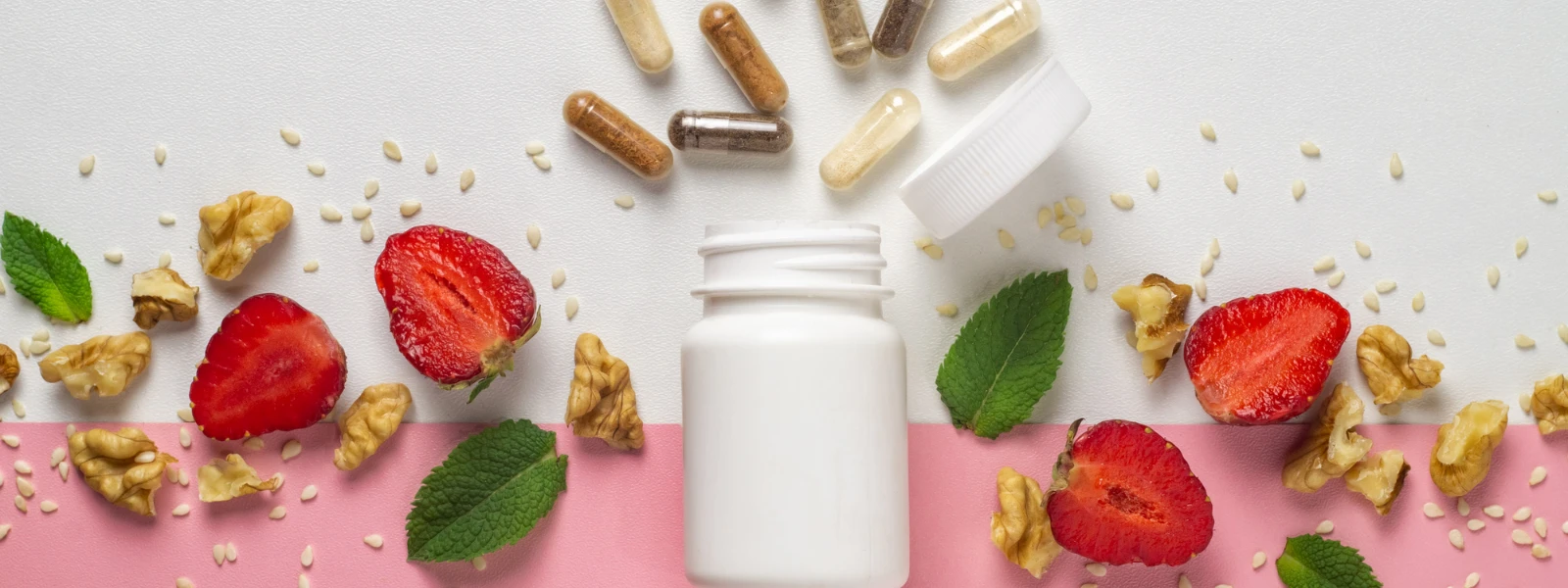






Healthy, glowing skin and strong, lustrous hair reflect our overall well-being from the inside out. While topical treatments can provide temporary fixes, true radiance comes from nourishing your body with the right nutrients. Supplements for skin and hair offer a targeted approach to filling nutritional gaps that your daily diet might miss.
Your skin constantly renews itself every 28 days, while hair grows approximately half an inch each month. Both processes require specific vitamins, minerals, and proteins to function optimally. When your body lacks these essential nutrients, it shows in dull skin, brittle hair, and slower healing processes.
This comprehensive guide explores eight scientifically-backed supplements that can transform your skin and hair health. You'll discover how each nutrient works, optimal dosages, and practical tips for incorporating them into your wellness routine.
Your skin serves as your body's largest organ, acting as a protective barrier while reflecting your internal health. Hair follicles are among the most metabolically active cells in your body, requiring consistent nutrient supply for optimal growth and strength.
Modern diets often fall short of providing adequate amounts of specific nutrients crucial for skin and hair health. Processing, soil depletion, and lifestyle factors can reduce the nutritional value of foods. Skin care supplements and targeted nutrition can bridge these gaps effectively.
Supplements work at the cellular level to support the complex processes that maintain healthy skin and hair. They provide concentrated doses of nutrients that might be difficult to obtain through food alone. Quality supplements ensure consistent nutrient availability, supporting continuous cellular repair and regeneration.
The key lies in understanding that beauty supplements work gradually. Unlike topical treatments that provide immediate but temporary results, nutritional support creates lasting changes from within. This approach addresses the root causes of skin and hair concerns rather than just masking symptoms.
Collagen represents the most abundant protein in your body, comprising about 30% of total protein content. This structural protein provides scaffolding for skin elasticity and hair strength. Collagen supplements for skin help replenish declining natural production, which decreases by approximately 1% annually after age 25.
Marine collagen peptides offer superior bioavailability compared to other sources. These smaller molecules absorb more readily into the bloodstream, reaching skin and hair follicles more effectively. Clinical studies show marine collagen can improve skin hydration by up to 28% and reduce fine lines within 8-12 weeks of consistent use.
For hair health, collagen provides amino acids necessary for keratin production. Keratin forms the structural foundation of hair strands, contributing to strength, shine, and growth rate. Regular collagen supplementation may support thicker, more resilient hair over time.
Biotin for hair and skin serves as a crucial cofactor in cellular energy production and protein synthesis. Also known as Vitamin B7, biotin supports the metabolism of amino acids used in keratin formation. This process directly impacts hair growth rates and strand quality.
Biotin deficiency, while rare, can manifest as brittle hair, skin rashes, and slower growth rates. Even marginal deficiencies may impact optimal hair and skin function. Supplementation typically ranges from 30-100 micrograms daily, though higher doses may benefit individuals with specific genetic variations affecting biotin metabolism.
Research indicates biotin supplementation can improve hair thickness and reduce shedding in individuals with thinning hair. For skin health, biotin supports the production of fatty acids that maintain skin barrier function and moisture retention.
Omega-3 fatty acids, particularly EPA and DHA, provide powerful anti-inflammatory benefits for skin and scalp health. Chronic inflammation contributes to various skin conditions and can impair hair growth cycles. These essential fats help regulate inflammatory responses while supporting healthy cell membrane function.
For skin health, omega-3s help maintain the lipid barrier that prevents moisture loss and protects against environmental damage. Studies show omega-3 supplementation can improve skin hydration, reduce sensitivity, and support healing processes.
Hair follicles benefit from omega-3s through improved blood circulation and reduced scalp inflammation. These effects can support healthier growth cycles and may help address hair thinning related to inflammatory conditions.
Vitamin C functions as both a powerful antioxidant and essential cofactor in collagen synthesis. This dual role makes it indispensable for skin health and repair processes. Vitamins for skin and hair often feature Vitamin C prominently due to its multiple benefits.
As an antioxidant, Vitamin C neutralizes free radicals that cause premature aging and cellular damage. It also regenerates other antioxidants like Vitamin E, creating a comprehensive protective network. For collagen production, Vitamin C enables the formation of stable collagen fibers through its role in hydroxyproline synthesis.
Hair health benefits from Vitamin C include improved iron absorption, which prevents deficiency-related hair loss. Additionally, Vitamin C supports scalp health by protecting against oxidative stress and supporting healthy blood vessel function.
Zinc participates in over 300 enzymatic reactions throughout the body, many of which directly impact skin and hair health. This essential mineral supports protein synthesis, wound healing, and cellular division - all crucial for maintaining healthy skin and promoting hair growth.
Zinc deficiency can manifest as slow wound healing, skin lesions, and hair loss. Even mild deficiencies may impact optimal skin function and hair growth rates. Natural skin supplements often include zinc due to its fundamental role in skin barrier function and repair mechanisms.
For hair health, zinc supports the activity of hair follicles and helps maintain proper hormone balance. It also plays a role in sebum production, which naturally conditions hair and scalp. Optimal zinc levels support consistent hair growth cycles and may help prevent premature hair loss.
Hyaluronic acid holds up to 1,000 times its weight in water, making it exceptionally effective for skin hydration. This molecule occurs naturally in skin, joints, and eyes, but production decreases with age. Supplemental hyaluronic acid can help maintain optimal hydration levels from within.
Unlike topical applications that primarily affect surface layers, oral hyaluronic acid reaches deeper skin layers through circulation. Studies demonstrate that oral supplementation can improve skin moisture, elasticity, and overall texture within 6-8 weeks.
For hair health, adequate hydration supports scalp function and may contribute to shinier, more manageable hair. Hyaluronic acid also supports joint health, which indirectly benefits overall wellness and vitality.
Did You Know?
Your skin contains approximately 50% of your body's total hyaluronic acid content. This powerful molecule helps maintain skin plumpness and elasticity, but natural production decreases by about 1% per year after age 20. Supplementation can help maintain optimal levels for continued skin health and hydration.
Vitamin D supports skin cell production, immune function, and hair follicle cycling. Many people have insufficient Vitamin D levels, particularly those with limited sun exposure or darker skin tones. This deficiency can impact skin health and hair growth patterns.
For skin health, Vitamin D helps regulate cell turnover and supports the skin's natural barrier function. It also plays a role in wound healing and may help manage certain inflammatory skin conditions. Adequate Vitamin D levels support healthy skin thickness and resilience.
Hair follicles contain Vitamin D receptors, indicating its importance for normal hair cycling. Research suggests Vitamin D deficiency may contribute to hair loss conditions, while adequate levels support healthy growth patterns and follicle function.
Vitamin E protects cell membranes from oxidative damage while supporting healthy circulation. This fat-soluble vitamin accumulates in skin tissues, providing ongoing protection against environmental stressors. Hair and skin vitamins often combine Vitamin E with other antioxidants for enhanced protection.
For skin health, Vitamin E helps maintain moisture levels and supports healing processes. It works synergistically with Vitamin C to provide comprehensive antioxidant coverage. Studies show Vitamin E supplementation can improve skin texture and reduce signs of photodamage.
Hair benefits from Vitamin E through improved scalp circulation and protection against oxidative stress. This vitamin may help maintain hair color and prevent premature graying by protecting melanin-producing cells.
Choosing effective supplements for healthy skin and hair requires attention to quality, purity, and bioavailability. Look for third-party tested products that verify potency and purity. Clean label certifications ensure products are free from harmful additives and contaminants.
Bioavailability determines how well your body can absorb and utilize supplement nutrients. Factors like formulation, timing, and individual digestive health all impact absorption rates. Quality supplements use forms that maximize bioavailability, such as chelated minerals or specific molecular structures.
Consider taking supplements with appropriate foods to enhance absorption. Fat-soluble vitamins like Vitamins D and E absorb better with healthy fats, while some minerals may require specific pH conditions for optimal uptake.
Optimal dosing varies based on individual needs, existing deficiencies, and health status. Start with recommended dosages and adjust based on results and professional guidance. Some nutrients work better when taken consistently over time, while others may be cycled for optimal effectiveness.
Timing can impact supplement effectiveness. Some nutrients absorb better on empty stomachs, while others require food for proper absorption. Understanding these nuances helps maximize the benefits of your supplement routine.
Supplements work best as part of a comprehensive approach to health and beauty. Supporting lifestyle factors can significantly enhance the effectiveness of skin nourishing supplements and improve overall results.
A balanced diet provides the foundation for supplement effectiveness. Whole foods supply cofactors and additional nutrients that work synergistically with supplements. Focus on nutrient-dense foods that naturally support skin and hair health, including leafy greens, colorful vegetables, quality proteins, and healthy fats.
Adequate protein intake particularly supports hair growth and skin repair. Aim for complete protein sources that provide all essential amino acids needed for collagen and keratin production.
Proper hydration supports nutrient transport and cellular function throughout the body. Aim for adequate water intake based on your body size, activity level, and climate. Quality sleep allows for optimal cellular repair and regeneration processes that supplements support.
During sleep, your body prioritizes repair and maintenance functions. Growth hormone release peaks during deep sleep phases, supporting the cellular processes that maintain healthy skin and hair.
Chronic stress can impair nutrient absorption and increase oxidative stress throughout the body. This can counteract the benefits of even the best supplements for skin. Incorporating stress management techniques like meditation, exercise, or hobby activities supports overall wellness and supplement effectiveness.
Stress directly impacts skin health through increased cortisol production, which can impair collagen synthesis and accelerate aging processes. Managing stress levels helps create an optimal internal environment for supplement benefits.
Supplements cannot fully replace a balanced diet but can effectively fill nutritional gaps. Whole foods provide complex nutrient profiles, fiber, and beneficial compounds that work together to support health. Use supplements to enhance, not replace, a nutritious eating pattern.
Most people notice initial improvements in skin hydration and hair texture within 4-6 weeks of consistent supplementation. More significant changes in skin elasticity and hair growth typically become apparent after 8-12 weeks. Hair growth cycles naturally take 3-4 months to show substantial changes.
High-quality supplements are generally safe when taken as directed. However, some individuals may experience digestive upset, particularly when starting new supplements. Fat-soluble vitamins can accumulate in tissues if taken in excessive amounts, so follow dosage recommendations and consult healthcare providers if you have concerns.
Timing depends on the specific supplement. Fat-soluble vitamins like Vitamins D and E absorb better with meals containing healthy fats. Water-soluble vitamins like Vitamin C and biotin can be taken on empty stomachs. For convenience and consistency, many people prefer taking supplements with breakfast or dinner.
You can customize your supplement routine based on individual needs and goals. Consider factors like existing deficiencies, dietary patterns, and specific skin or hair concerns. Starting with one or two key supplements and gradually adding others allows you to assess individual effects and tolerance.
Achieving radiant skin and healthy hair requires a holistic approach that addresses nutrition from within. These eight scientifically-backed supplements offer targeted support for the cellular processes that maintain beauty and vitality. Quality collagen, biotin, omega-3s, and essential vitamins provide the building blocks your body needs for optimal skin and hair health.
Remember that supplements work best when combined with a healthy lifestyle, including proper nutrition, adequate hydration, quality sleep, and stress management. Consistency is key - allow adequate time for supplements to build up in your system and support the natural renewal processes of your skin and hair.
Consider consulting with a healthcare provider to develop a personalized supplement plan that addresses your specific needs and goals. With patience and consistency, these nutritional allies can help you achieve the radiant, healthy appearance that reflects your inner vitality.


 DOWNLOAD NOW

