A Step-by-Step Guide to Boosting Skin Health with Vegetarian Niacin
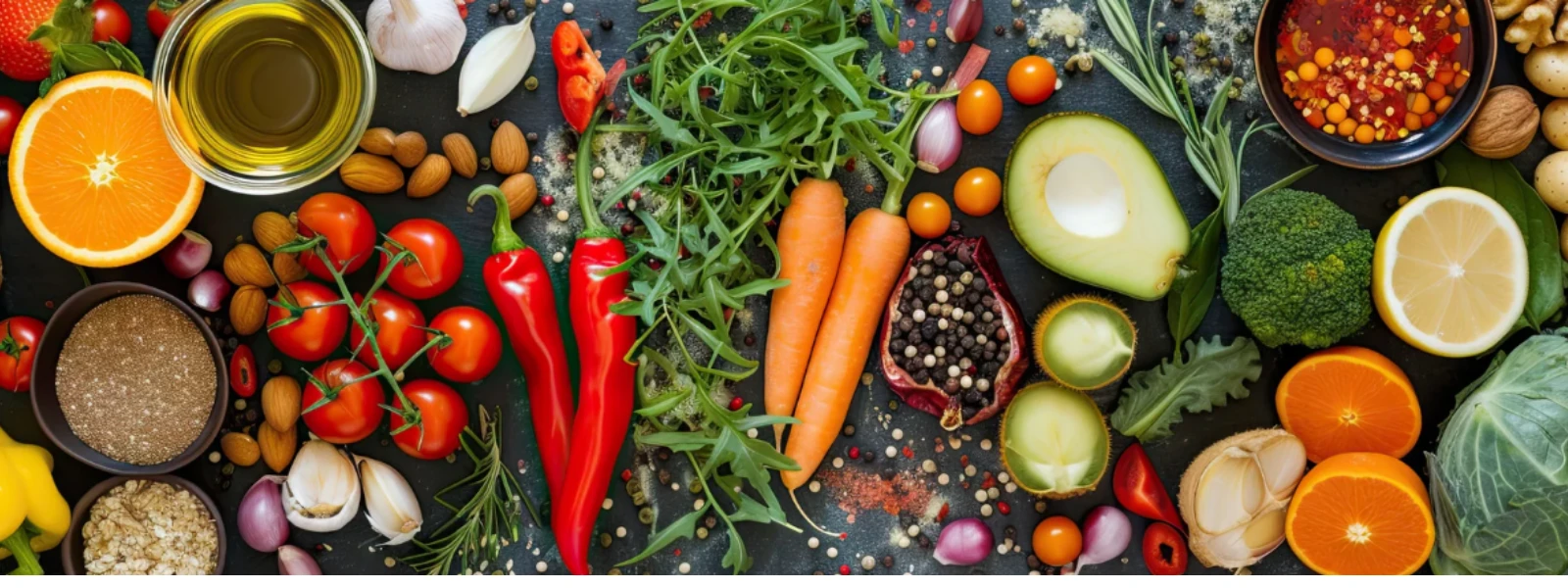


Your skin tells a story. Every day, it reflects your inner health, nutrition choices, and lifestyle habits. For vegetarians, achieving that coveted healthy glow might seem challenging when many traditional skin-supporting nutrients come from animal sources. But here's the exciting truth: plant-based eating can provide everything your skin needs to thrive, especially when you understand the power of Vitamin B3, also known as niacin.
This water-soluble vitamin plays a crucial role in cellular energy production, skin barrier function, and overall skin health. While meat-eaters often get their niacin from animal proteins, vegetarians have access to an impressive array of plant-based sources that can deliver even better results. The key lies in knowing which foods to choose and how to maximize their benefits.
Ready to transform your skin from the inside out? This comprehensive guide will walk you through everything you need to know about boosting your skin health with vegetarian niacin sources, from understanding the science to creating a practical daily routine.
Niacin, scientifically known as nicotinic acid, belongs to the B-vitamin family and serves as a fundamental building block for healthy skin function. This essential nutrient works at the cellular level to support skin regeneration, maintain moisture barriers, and protect against environmental damage.
When your body receives adequate niacin, it converts this vitamin into nicotinamide adenine dinucleotide (NAD+), a coenzyme that powers cellular repair processes. This conversion is particularly important for skin cells, which regenerate every 28 days and require consistent nutritional support to maintain their healthy appearance.
Research shows that niacin contributes to skin health through multiple pathways. First, it helps strengthen the skin's protective barrier, reducing water loss and maintaining hydration levels. This barrier function becomes especially important for vegetarians who may have different fatty acid profiles compared to meat-eaters.
Additionally, niacin supports collagen production, the protein responsible for skin elasticity and firmness. While collagen synthesis involves multiple nutrients, adequate Vitamin B3 intake ensures your body has the cofactors needed for optimal collagen formation.
The vitamin also helps regulate oil production and supports the skin's natural healing processes. Studies indicate that topical and dietary niacin can help reduce inflammation and support overall skin texture improvement.
The recommended dietary allowance (RDA) for niacin varies by age and gender. Adult men need approximately 16 mg daily, while adult women require 14 mg. Pregnant and lactating women have slightly higher needs at 18 mg and 17 mg respectively.
For skin health benefits, some research suggests that intake at the upper end of the safe range may provide additional advantages. However, it's important to focus on food sources rather than high-dose supplements, as excessive niacin can cause uncomfortable flushing and other side effects.
Whole grains form the backbone of vegetarian niacin intake. Brown rice provides approximately 3 mg of niacin per cup cooked, while whole wheat bread offers about 1.5 mg per slice. These numbers might seem modest, but they add up quickly when grains form a regular part of your daily meals.
Fortified cereals deserve special mention as many contain added B-vitamins, including niacin. A single serving of fortified breakfast cereal can provide 15-20 mg of niacin, meeting most of your daily needs in one meal. Look for cereals with minimal added sugars and check labels to confirm niacin content.
To maximize absorption, pair your whole grains with healthy fats. Try brown rice with avocado, or whole grain toast with nut butter. This combination helps your body absorb fat-soluble vitamins that work synergistically with niacin for skin health.
Legumes offer the perfect combination of plant protein and niacin, making them ideal for vegetarian skin health. Lentils lead the pack with about 2 mg of niacin per cooked cup, while chickpeas and black beans provide similar amounts.
The protein content in legumes also supports skin health by providing amino acids necessary for collagen synthesis. When you combine legumes with whole grains, you create a complete protein profile that rivals animal sources.
For optimal nutrient absorption, soak dried legumes overnight before cooking. This process not only reduces cooking time but also helps break down compounds that can interfere with mineral absorption. Adding a splash of lemon juice or vinegar during cooking can further enhance nutrient availability.
Peanuts top the list of niacin-rich nuts, providing an impressive 4 mg per ounce. Despite their name, peanuts are technically legumes, but their nutritional profile aligns more closely with tree nuts in practical dietary planning.
Sunflower seeds offer another excellent option with approximately 2 mg of niacin per ounce. These tiny powerhouses also provide Vitamin E, selenium, and healthy fats that complement niacin's skin benefits.
Almonds, while lower in niacin at about 1 mg per ounce, contribute valuable Vitamin E and healthy monounsaturated fats. The combination of these nutrients supports skin barrier function and provides antioxidant protection.
Create a weekly nut and seed rotation to maximize your niacin intake while preventing flavor fatigue. Monday might be peanut butter on toast, Wednesday could feature sunflower seed sprinkled salads, and Friday might include almond-crusted vegetables.
While vegetables generally contain lower niacin concentrations compared to grains and legumes, several varieties make meaningful contributions to your daily intake while providing additional skin-supporting nutrients.
Mushrooms stand out among vegetables for their niacin content. Portobello mushrooms provide about 6 mg of niacin per cup, while shiitake and cremini varieties offer 2-3 mg per cup. The umami flavor of mushrooms makes them excellent meat substitutes in vegetarian dishes.
Beyond niacin, mushrooms contain selenium and other antioxidants that support skin health. They're also one of the few food sources of Vitamin D, which works synergistically with B-vitamins for optimal skin function.
One medium avocado provides approximately 3.5 mg of niacin along with monounsaturated fats that support skin barrier function. The healthy fats in avocados also help your body absorb fat-soluble vitamins from other foods in your meal.
Avocados contain additional skin-supporting nutrients including Vitamin E, Vitamin C, and folate. These nutrients work together to support collagen production and protect against oxidative stress.
Green peas might surprise you with their niacin content – one cup provides about 3 mg. They're also rich in Vitamin C and plant protein, making them valuable additions to vegetarian skin-health diets.
Potatoes, often dismissed as nutritionally poor, actually provide meaningful amounts of niacin. A medium baked potato with skin contains approximately 2.5 mg of niacin, plus Vitamin C and potassium that support overall skin health.
While fruits generally contain less niacin than other food groups, certain varieties can contribute to your daily intake while providing additional skin-supporting antioxidants and vitamins.
Bananas provide about 0.8 mg of niacin per medium fruit. While this might seem modest, bananas offer the advantage of convenience and versatility. They're perfect for smoothies, overnight oats, or quick snacks.
The natural sugars in bananas can help with niacin absorption, and their potassium content supports overall skin health by maintaining proper cellular function.
Other fruits that contribute small amounts of niacin include peaches, oranges, and mangoes. While individual fruits may not provide substantial niacin, combining multiple fruits in smoothies or fruit salads can help boost your intake.
Consider creating a morning smoothie with banana, a handful of nuts or seeds, and fortified plant milk. This combination can provide 3-5 mg of niacin while delivering other skin-supporting nutrients.
While severe niacin deficiency is rare in developed countries, marginal deficiencies can occur, particularly in vegetarians who don't plan their diets carefully. Understanding the signs helps you address potential issues before they impact your skin health.
The earliest signs of niacin deficiency often manifest in the skin. You might notice increased sensitivity to sunlight, rough or scaly patches, or slower wound healing. Some people experience a characteristic rash that appears symmetrically on sun-exposed areas.
Other symptoms can include fatigue, digestive issues, and mood changes. Since these symptoms overlap with many other conditions, it's important not to self-diagnose but to work with healthcare providers for proper evaluation.
Chronic niacin deficiency can lead to more serious skin problems, including dermatitis and increased susceptibility to skin damage. The skin may become thicker, darker, or develop a leathery texture in severe cases.
For vegetarians, the risk isn't just about getting enough niacin – it's also about ensuring optimal absorption and utilization. Factors like phytic acid in grains and legumes can interfere with B-vitamin absorption if not properly managed through soaking and cooking techniques.
Getting enough niacin is just the first step – optimizing absorption ensures your body can actually use this vital nutrient for skin health.
Certain food combinations can enhance niacin absorption and utilization. Pairing niacin-rich foods with those containing tryptophan (an amino acid that can convert to niacin) helps boost your effective intake. Good tryptophan sources include pumpkin seeds, sesame seeds, and spirulina.
Vitamin C-rich foods can also support niacin function by protecting it from oxidation and supporting its conversion to active forms. Try adding citrus fruits, bell peppers, or strawberries to meals containing niacin-rich foods.
Niacin is relatively stable during cooking, but certain methods preserve more of this vitamin. Steaming and sautéing maintain higher niacin levels compared to boiling, where water-soluble vitamins can leach into cooking water.
When you do boil niacin-rich foods, consider using the cooking water in soups or stews to retain those valuable nutrients. Pressure cooking can actually increase the bioavailability of niacin in some foods by breaking down bound forms.
While food sources should always be your first choice, some vegetarians may benefit from targeted supplementation. However, niacin supplements can cause flushing and other side effects at higher doses.
If you're considering supplementation, look for products that provide niacin in the form of niacinamide, which typically causes less flushing. Always consult with healthcare providers before starting any supplement regimen, especially if you have existing health conditions.
Absolutely. Plant-based diets can easily meet niacin requirements through whole grains, legumes, nuts, seeds, and fortified foods. Many vegetarians actually consume more niacin than meat-eaters due to higher intake of fortified grains and diverse plant foods.
The RDA is 14-16 mg for adults, which is sufficient for basic skin health. Some research suggests slightly higher intakes may provide additional benefits, but focus on meeting the RDA through food sources rather than pursuing megadoses through supplements.
Niacin supplements can be safe when used appropriately, but high doses can cause uncomfortable flushing and other side effects. Food sources are generally safer and provide additional nutrients that work synergistically with niacin for skin health.
Some studies suggest that adequate niacin intake may help with certain skin concerns, but it's not a treatment for medical conditions. Always consult healthcare providers for persistent skin problems rather than relying solely on nutritional approaches.
Start with fortified breakfast cereals, peanut butter, and brown rice as these are easy to incorporate and provide substantial niacin. Gradually add more variety with lentils, mushrooms, and avocados as you become comfortable with plant-based cooking.
Building radiant skin through vegetarian niacin sources isn't just possible – it's a delicious journey that opens up a world of nutrient-dense, skin-loving foods. From the protein-packed legumes to the satisfying crunch of nuts and seeds, every meal becomes an opportunity to nourish your skin from within. Remember that consistency matters more than perfection, and small daily choices add up to significant improvements in skin health over time. By focusing on whole foods, proper preparation methods, and strategic food combining, you're not just meeting your niacin needs – you're creating a sustainable approach to skin health that supports your values and lifestyle. Your skin will thank you for choosing this natural, plant-powered path to radiance.



