Collagen vs Elastin: The Ultimate Skin Health Showdown
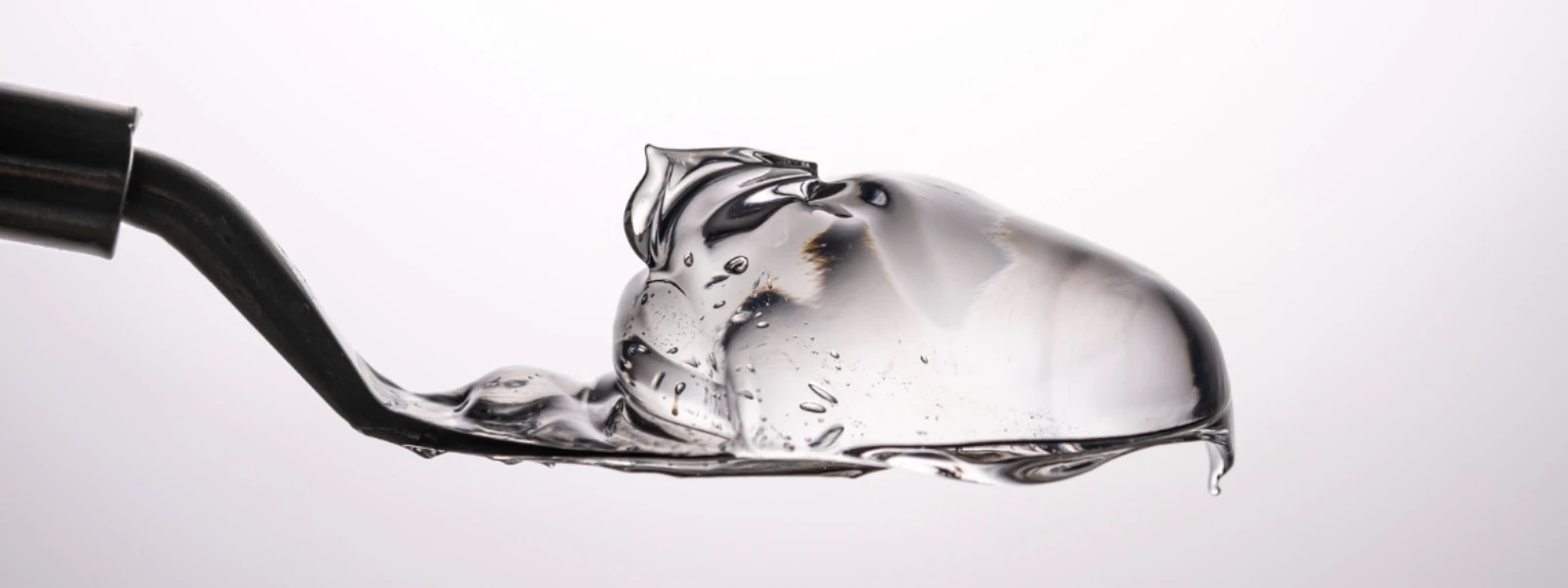


Your skin is home to two remarkable proteins that work together to keep you looking youthful and radiant. Collagen and elastin are the dynamic duo responsible for your skin's strength, firmness, and ability to bounce back from daily expressions and movements. While both proteins are essential for healthy skin, they serve distinct roles in maintaining your complexion's appearance and function.
Understanding the differences between these proteins can help you make informed decisions about your skincare routine and supplement choices. This comprehensive comparison will explore how collagen and elastin work, their unique benefits for skin health, and practical ways to support both proteins naturally.
Collagen is the most abundant protein in your body, making up about 75% of your skin's dry weight. This fibrous protein forms a triple helix structure that provides strength, firmness, and structural support to your skin. Think of collagen as the scaffolding that holds your skin together, creating a strong foundation for a smooth, plump appearance.
Your body contains at least 28 different types of collagen, but Type I collagen is the most prevalent in skin tissue. This protein is found throughout your dermis, the thick middle layer of your skin, where it forms dense networks that support the skin's overall structure and thickness.
Elastin is a highly flexible protein that gives your skin its ability to stretch and return to its original shape. Made from tropoelastin molecules that cross-link to form elastic fibers, elastin is approximately 100 times more flexible than collagen. This protein allows your skin to accommodate facial expressions, movements, and temporary stretching without permanent damage.
Unlike collagen, elastin has a yellowish color and is primarily concentrated in the papillary dermis, the upper portion of your skin's middle layer. Elastin fibers work like tiny rubber bands, constantly contracting and expanding to maintain your skin's resilience and bounce.
While both proteins are essential for skin health, their molecular structures create distinct functions. Collagen's rigid triple helix provides stability and strength, while elastin's coiled structure enables flexibility and stretch. Collagen appears white in color, whereas elastin has a characteristic yellow hue due to its unique amino acid composition.
The lifespan of these proteins also differs significantly. Collagen continuously regenerates throughout your life, though production slows with age. Elastin, however, is primarily produced during fetal development and childhood, with minimal new elastin formation after puberty.
Collagen benefits for skin are extensive and well-documented. This protein is primarily responsible for maintaining skin firmness and reducing the appearance of fine lines and wrinkles. As collagen levels remain adequate, your skin maintains its thickness, density, and smooth texture.
Research shows that collagen production supports wrinkle reduction by filling in the spaces between skin cells and maintaining the skin's plump appearance. The protein also helps improve skin hydration by supporting the skin's ability to retain moisture, contributing to a healthy, glowing complexion.
Elastin benefits focus primarily on maintaining skin elasticity and preventing sagging. This protein ensures your skin can stretch during facial expressions and return to its original position without forming permanent creases or loose areas.
The presence of adequate elastin helps prevent the drooping and sagging that often occurs with aging. It supports your skin's ability to recover from temporary stretching and maintains the tight, resilient feel of youthful skin. Elastin also contributes to the skin's overall resilience against environmental stressors.
Both proteins reside primarily in the dermis, but their distribution varies. The dermal structure consists of two main layers: the papillary dermis (upper layer) and the reticular dermis (lower layer). Elastin is more concentrated in the papillary dermis, while collagen is abundant throughout both layers, with particularly dense networks in the reticular dermis.
This strategic distribution allows collagen to provide overall structural support while elastin focuses on surface-level flexibility and movement accommodation.
Did You Know?
Your skin produces about 1% less collagen each year after age 20, while elastin production virtually stops after puberty. This is why maintaining both proteins becomes increasingly important as you age.
Collagen production occurs through specialized cells called fibroblasts, which synthesize new collagen molecules throughout your life. This process requires specific nutrients, including Vitamin C, zinc, and amino acids like proline and glycine. Fibroblasts respond to various signals, including mechanical stress and growth factors, to regulate collagen synthesis.
The production process involves several steps: fibroblasts create pro collagen, which is then processed and assembled into mature collagen fibers. This continuous cycle allows your skin to repair and maintain its structural integrity, though the rate of production naturally decreases with age.
Elastin production follows a different timeline than collagen. Most elastin synthesis occurs during fetal development and early childhood, with production significantly slowing after puberty. The process begins with tropoelastin molecules, which are secreted by fibroblasts and then cross-linked by enzymes to form mature elastin fibers.
Once formed, elastin fibers are remarkably durable, designed to last throughout your lifetime. However, this also means that damaged elastin cannot be easily replaced, making protection and maintenance crucial for long-term skin elasticity.
As collagen production decreases, you may notice increased fine lines, reduced skin thickness, and loss of firmness. The skin becomes more fragile and takes longer to heal from minor injuries. Elastin degradation, while slower, leads to sagging, reduced bounce-back ability, and the formation of deeper wrinkles where the skin repeatedly folds.
Environmental factors like UV exposure, pollution, and smoking accelerate the breakdown of both proteins, leading to premature aging signs. Understanding these changes helps explain why comprehensive anti-aging approaches address both protein types.
Taking collagen and elastin supplements together can provide complementary benefits for skin health. While your body cannot directly use ingested collagen and elastin as building blocks, these supplements provide amino acids that support your body's natural protein synthesis processes.
Research suggests that collagen peptides can stimulate fibroblast activity, potentially supporting both collagen and elastin production. The amino acids from these supplements serve as raw materials for your body's protein manufacturing processes, though individual results may vary based on factors like age, overall health, and lifestyle.
Collagen supplements typically come in peptide form, which offers better absorption than whole collagen molecules. Marine collagen, derived from fish, is often preferred for skin benefits due to its smaller molecular size and Type I collagen content. Bovine collagen provides a broader range of collagen types but may be less specifically targeted for skin health.
Elastin supplements are less common and often combined with collagen products. The bioavailability of elastin supplements is still being researched, with some studies suggesting that elastin peptides may support skin hydration and elasticity when combined with other skin-supporting nutrients.
Most people notice initial improvements in skin hydration within 2-4 weeks of consistent supplementation. More significant changes in skin firmness and elasticity typically become apparent after 8-12 weeks of regular use. However, results depend on factors like age, baseline skin condition, and overall lifestyle habits.
Realistic expectations include gradual improvements in skin texture, hydration, and overall appearance rather than dramatic overnight changes. Combining supplements with proper skincare and healthy lifestyle choices often produces the most noticeable results.
While you cannot directly consume collagen and elastin that your body will use as-is, certain foods provide the building blocks necessary for protein synthesis. Foods rich in Vitamin C, such as citrus fruits, berries, and leafy greens, are essential for collagen production. Zinc-rich foods like pumpkin seeds, chickpeas, and lean meats support both protein synthesis processes.
Amino acid-rich foods, including bone broth, fish, eggs, and legumes, provide the raw materials your body needs to create both proteins. Antioxidant-rich foods help protect existing collagen and elastin from damage caused by free radicals and environmental stressors.
Sun protection is crucial for preserving both collagen and elastin, as UV radiation breaks down these proteins and accelerates aging. Quality sleep supports skin repair processes, including protein synthesis and cellular regeneration. Regular exercise improves circulation, delivering nutrients to skin cells and supporting overall skin health.
Stress management also plays a role, as chronic stress can interfere with protein production and accelerate skin aging. Staying hydrated helps maintain skin plumpness and supports the optimal function of both proteins.
Topical retinoids are among the most effective ingredients for stimulating collagen production and improving skin texture. Vitamin C serums provide antioxidant protection while supporting collagen synthesis. Peptide-containing products may help signal skin cells to produce more collagen and elastin.
Professional treatments like microneedling, laser therapy, and radiofrequency can stimulate both collagen and elastin production by creating controlled micro-injuries that trigger the skin's natural repair processes.
Natural methods include eating a balanced diet rich in Vitamin C, zinc, and amino acids, protecting your skin from sun damage, getting adequate sleep, exercising regularly, and using skincare products with proven ingredients like retinoids and Vitamin C. Professional treatments can also stimulate natural production.
While collagen supplements are generally considered safe, pregnant and breastfeeding women should consult their healthcare provider before starting any new supplement regimen. Focus on getting nutrients from whole foods during this time, and discuss any specific skin concerns with your doctor.
Both proteins are essential for youthful-looking skin, but their importance may vary based on your age and specific concerns. Younger individuals might focus more on elastin preservation, while those experiencing firmness loss might prioritize collagen support. The best approach addresses both proteins simultaneously.
While your body produces very little new elastin after puberty, certain treatments and lifestyle approaches may help preserve existing elastin and potentially stimulate some new production. Focus on protection and supporting your skin's overall health rather than expecting complete elastin restoration.
Most people notice improvements in skin hydration within 2-4 weeks, with more significant changes in firmness and texture appearing after 8-12 weeks of consistent use. Individual results vary based on age, lifestyle, and baseline skin condition.
Understanding the distinct roles of collagen and elastin helps you make informed decisions about your skin health journey. While collagen provides structural support and firmness, elastin ensures flexibility and bounce. Both proteins work together to maintain youthful, healthy skin, and supporting both through proper nutrition, lifestyle choices, and targeted skincare can help preserve your skin's appearance over time. Rather than viewing this as a competition between proteins, consider how you can support both collagen and elastin for comprehensive skin health that addresses multiple aspects of aging and skin function.



