Essential Checklist: Natural Collagen Food Guide
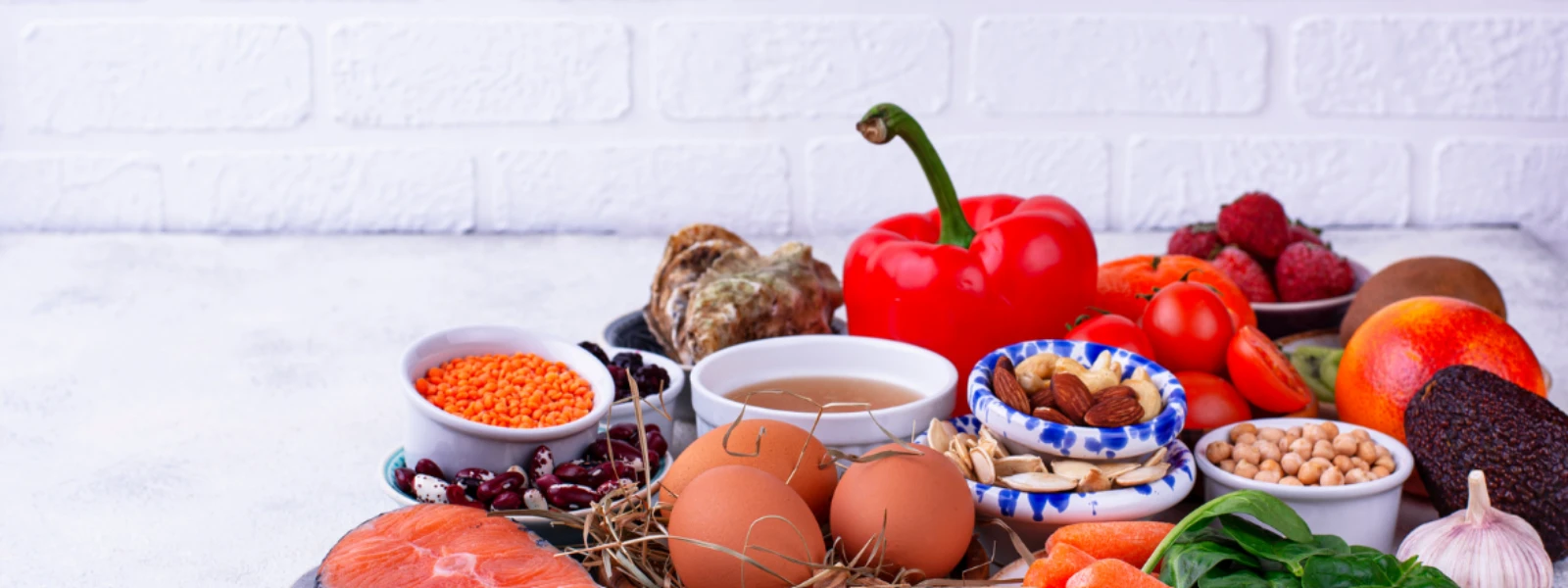


Your skin tells a story. By age 30, your body produces 25% less collagen than it did in your twenties. This decline shows up as fine lines, reduced elasticity, and that subtle loss of firmness you might notice in the mirror. While aging is natural, the foods you choose can significantly influence how your skin ages.
This comprehensive natural collagen food guide reveals science-backed foods that support your body's collagen production. You'll discover which foods contain actual collagen, which nutrients boost collagen synthesis, and how to create a sustainable eating plan that nourishes your skin from within.
Collagen is your body's most abundant protein, making up about 30% of your total protein content. Think of it as the scaffolding that gives your skin structure, strength, and elasticity. This complex protein consists of amino acids arranged in a triple-helix formation, creating strong, flexible fibers.
Your skin primarily contains three types of collagen. Type I collagen provides tensile strength and firmness, comprising about 80% of your skin's collagen. Type III collagen supports skin elasticity and works alongside Type I. Type IV collagen forms the foundation of your skin's basement membrane, supporting overall skin structure.
After age 25, your natural collagen production decreases by approximately 1% each year. Environmental factors like UV exposure, pollution, and lifestyle choices can accelerate this decline. This reduction manifests as decreased skin thickness, reduced elasticity, and the formation of fine lines and wrinkles.
Understanding the difference between foods containing actual collagen and those that support collagen production helps you make informed dietary choices. Collagen boosting foods fall into two categories: direct sources that provide ready-made collagen peptides, and supportive foods that supply the building blocks and cofactors your body needs for collagen synthesis.
When you consume collagen-rich foods, your digestive system breaks down the collagen into amino acids and peptides. Your body then uses these components to build new collagen where it's needed most. This process requires specific nutrients, including Vitamin C, zinc, and sulfur-containing amino acids.
Bone broth stands as the gold standard among natural collagen sources. This nutrient-dense liquid contains Types I, II, and III collagen extracted through slow cooking of animal bones and connective tissue. A single cup provides 6-12 grams of collagen, along with minerals like calcium, magnesium, and phosphorus.
Fish with skin offers marine collagen, which research suggests may have superior bioavailability compared to land-based sources. Salmon, mackerel, and sardines provide Type I collagen along with omega-3 fatty acids that support skin health. The skin contains the highest concentration of collagen, so eating fish with skin intact maximizes your intake.
Chicken skin and connective tissue provide abundant Type I and III collagen. The white connective tissue visible in chicken thighs and drumsticks contains concentrated collagen. Slow-cooking methods like braising help break down this collagen into easily digestible gelatin.
Egg whites contribute proline and glycine, two amino acids essential for collagen production. While eggs don't contain complete collagen, they provide the building blocks your body needs to synthesize new collagen fibers.
Natural gelatin represents partially hydrolyzed collagen that's easier for your body to absorb. You can create gelatin-rich foods by cooking collagen-containing ingredients slowly with liquid. Homemade jellies, aspics, and slow-cooked stews naturally concentrate gelatin content.
Did You Know?
Marine collagen peptides are absorbed up to 1.5 times more efficiently than bovine collagen due to their smaller molecular size and unique amino acid profile.
Vitamin C acts as an essential cofactor in collagen synthesis, helping stabilize the collagen triple helix structure. Without adequate Vitamin C, your body cannot produce stable, functional collagen fibers.
Citrus fruits like oranges, lemons, and grapefruits provide 50-90mg of Vitamin C per serving. One medium orange supplies about 70mg of Vitamin C, nearly meeting your daily requirement for optimal collagen synthesis.
Berries offer concentrated Vitamin C along with anthocyanins and other antioxidants that protect existing collagen from damage. Strawberries contain 85mg of Vitamin C per cup, while blueberries provide additional compounds that support skin health.
Bell peppers and tomatoes deliver impressive Vitamin C content. Red bell peppers contain 190mg per cup, more than double the amount found in oranges. Tomatoes provide lycopene alongside Vitamin C, offering additional antioxidant protection for your skin.
Leafy greens like spinach, kale, and Swiss chard supply Vitamin C, iron, and folate. These nutrients work together to support healthy blood flow to your skin and provide the raw materials for collagen production.
Your body requires specific amino acids to build collagen, particularly glycine, proline, and hydroxyproline. Best foods for collagen production include complete protein sources that provide these essential building blocks.
Legumes and soy products offer plant-based protein rich in lysine and proline. Lentils, chickpeas, and black beans provide 15-18 grams of protein per cup, along with fiber and minerals that support overall health.
Nuts and seeds contribute protein, healthy fats, and zinc. Pumpkin seeds contain particularly high levels of zinc, a mineral essential for collagen synthesis. Almonds and walnuts provide Vitamin E, which protects collagen from oxidative damage.
Dairy products supply complete proteins with high levels of proline and lysine. Greek yogurt provides 20 grams of protein per serving, along with probiotics that support gut health and nutrient absorption.
Shellfish like oysters, crab, and lobster provide exceptional zinc content. Zinc activates enzymes involved in collagen synthesis and helps maintain skin structure. Six oysters supply about 32mg of zinc, well above the daily recommended intake.
Whole grains contribute B-vitamins and minerals that support collagen production. Quinoa provides complete protein along with manganese and copper, minerals involved in collagen cross-linking.
Sulfur-rich foods including garlic, onions, and cruciferous vegetables supply sulfur compounds necessary for collagen stability. These foods also provide compounds that support detoxification and reduce inflammation.
While plants don't contain collagen directly, vegetarians and vegans can support collagen production through strategic food combinations. Foods for skin elasticity in plant-based diets focus on providing collagen-building nutrients and antioxidants.
Combining legumes with grains creates complete amino acid profiles similar to animal proteins. Pairing rice with beans or quinoa with vegetables ensures adequate intake of all essential amino acids needed for collagen synthesis.
Soy products like tempeh and tofu provide complete proteins along with isoflavones that may support skin health. Fermented soy products offer additional benefits through probiotics that enhance nutrient absorption.
Seeds and nuts supply healthy fats, protein, and minerals. Chia seeds and flaxseeds provide omega-3 fatty acids that support skin barrier function and reduce inflammation that can damage collagen.
A collagen rich diet incorporates multiple collagen-supporting foods throughout the day. Aim for 20-25 grams of collagen or collagen-supporting protein at each meal, distributed across breakfast, lunch, and dinner.
Start your day with collagen-supporting foods like eggs with citrus fruit or Greek yogurt with berries. These combinations provide protein building blocks alongside Vitamin C for optimal collagen synthesis.
Include bone broth or fish with skin 2-3 times per week for direct collagen intake. On other days, focus on skin firming foods like lean meats, legumes, and colorful vegetables that provide collagen-building nutrients.
Hydration plays a crucial role in collagen function. Aim for 8-10 glasses of water daily to maintain skin hydration and support nutrient transport to skin cells.
Pairing Vitamin C-rich foods with protein sources enhances collagen synthesis. Try salmon with lemon, chicken with bell peppers, or beans with tomatoes to optimize nutrient synergy.
Avoid excessive sugar and processed foods, which can damage existing collagen through glycation. This process creates advanced glycation end products (AGEs) that make collagen stiff and less functional.
Gentle cooking methods like steaming, poaching, and slow-cooking preserve heat-sensitive nutrients while making proteins more digestible. High-heat cooking can destroy Vitamin C and denature proteins.
Bone broth represents the most concentrated liquid source of natural collagen. Simmer bones from grass-fed animals for 12-24 hours with vegetables and herbs to extract maximum collagen content. Add apple cider vinegar to help draw minerals from the bones.
Collagen-boosting smoothies combine protein sources with Vitamin C-rich fruits. Blend Greek yogurt with berries, spinach, and a splash of citrus juice for a nutrient-dense drink that supports collagen production.
Green tea provides catechins that protect existing collagen from breakdown. Drinking 2-3 cups daily may help preserve skin elasticity and reduce signs of aging.
Fermented foods like kefir and kombucha support gut health, which influences nutrient absorption and skin health. A healthy gut microbiome enhances your body's ability to utilize collagen-building nutrients.
Bone broth contains the highest concentration of natural collagen, followed by fish skin and chicken connective tissue. These foods provide Types I and III collagen that directly support skin structure.
Yes, combining collagen-rich foods with Vitamin C sources, protein, zinc, and sulfur-containing foods can significantly boost natural collagen production. A balanced approach including bone broth, citrus fruits, and leafy greens is most effective.
Bananas don't contain collagen directly but support collagen production through Vitamin C and potassium, which promote skin hydration and collagen synthesis.
Vegetarians can focus on collagen-supporting foods like Vitamin C-rich fruits, protein-rich legumes, nuts, seeds, and sulfur-containing vegetables to naturally boost collagen production.
Most people notice improved skin hydration within 2-4 weeks, with visible improvements in skin elasticity and firmness appearing after 8-12 weeks of consistent consumption.
Supporting your body's natural collagen production through food choices offers a sustainable approach to maintaining healthy, youthful skin. By incorporating direct collagen sources like bone broth and fish, alongside collagen-boosting foods rich in Vitamin C, protein, and essential minerals, you provide your body with the tools it needs for optimal collagen synthesis. Remember that consistency matters more than perfection – small, daily choices compound over time to support your skin's health and appearance. Consider exploring science-backed nutrition solutions that complement your whole-food approach to skin wellness.


Someone sent you
Powered by ReferRush


