How to Boost Skin Health with Iron and Zinc-Rich Foods?
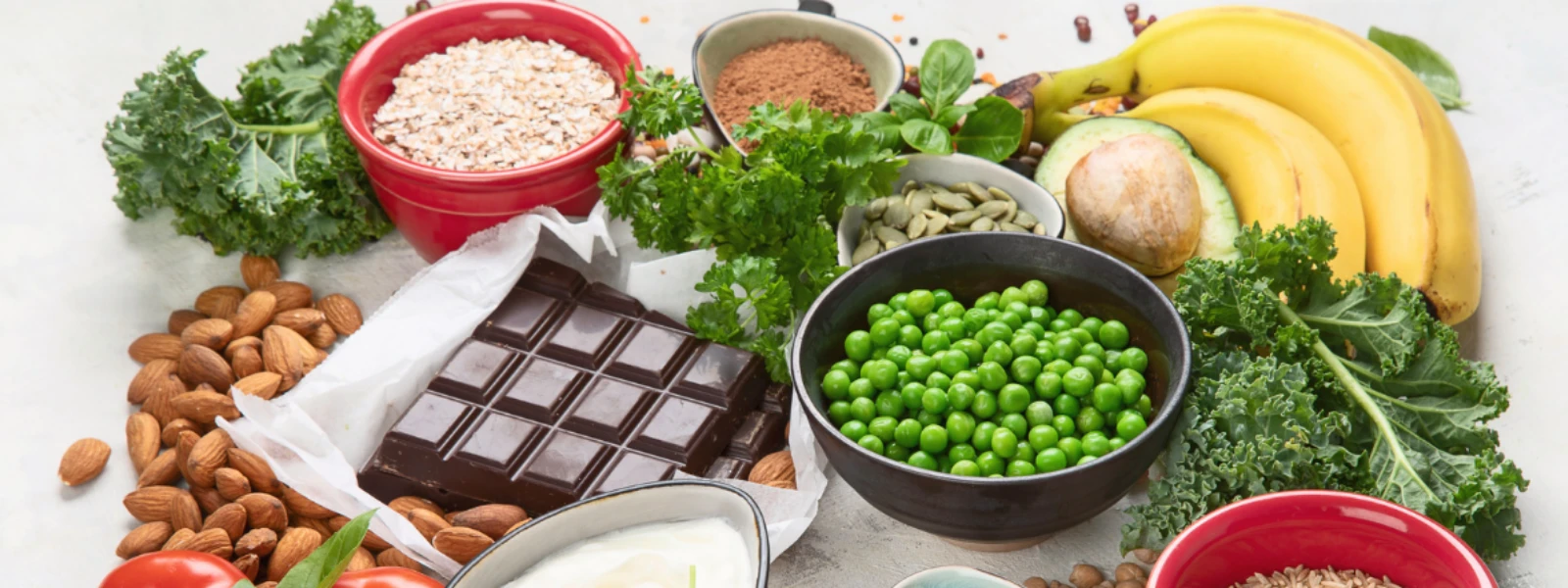


Your skin reflects what happens inside your body more than you might realize. While skincare routines focus on external treatments, the real secret to glowing skin starts with what you eat. Two essential minerals - iron and zinc - play crucial roles in maintaining healthy, radiant skin from within. These skin-nourishing foods work behind the scenes to support cellular repair, collagen production, and protection against environmental damage.
Understanding how iron and zinc rich foods impact your skin can transform your approach to beauty. Rather than relying solely on topical treatments, you can harness the power of nutrient-dense foods to create lasting improvements in your skin's appearance and health.
Your skin constantly renews itself, replacing old cells with fresh ones every 28 days. This process requires adequate amounts of essential minerals to function properly. Iron serves as a key component in oxygen transport, ensuring your skin cells receive the oxygen they need for optimal function and repair.
Zinc acts as a powerful ally in skin health by supporting over 300 enzymatic reactions in your body. It plays a vital role in protein synthesis, which directly impacts collagen production - the protein responsible for keeping your skin firm and elastic. Additionally, zinc helps regulate oil production and supports your skin's natural healing processes.
Both minerals contribute to a strong immune system, which helps your skin defend against harmful bacteria and environmental stressors. When your body has sufficient levels of these beauty-boosting nutrients, your skin appears more vibrant, heals faster from blemishes, and maintains better overall texture.
Heme iron from animal sources offers the highest absorption rates, making it particularly effective for supporting skin health. Red meat, particularly lean cuts of beef and lamb, provides substantial amounts of easily absorbed iron. Poultry, including chicken and turkey, offers moderate iron levels while being versatile for meal planning.
Seafood stands out as an excellent choice for skin-friendly foods. Shellfish like clams and mussels contain exceptional iron levels, while fish such as salmon and sardines provide additional omega-3 fatty acids that support skin health.
Plant-based iron sources require strategic planning but offer numerous benefits beyond mineral content. Dark leafy greens like spinach, kale, and Swiss chard pack iron alongside antioxidants that protect skin from damage. Legumes including lentils, chickpeas, and black beans provide iron along with protein for skin repair.
Fortified cereals and quinoa offer convenient ways to boost iron intake, especially when paired with Vitamin C-rich foods like citrus fruits or bell peppers to enhance absorption.
Pro Tip: Maximize Iron Absorption
Combine iron-rich foods with Vitamin C sources like oranges, strawberries, or tomatoes to increase absorption by up to 300%. Avoid drinking tea or coffee with iron-rich meals, as these beverages can inhibit absorption.
Oysters reign supreme among zinc-rich foods, containing more zinc per serving than any other food source. Other shellfish like crab and lobster also provide substantial amounts. Beef and chicken offer reliable zinc levels while being easily incorporated into various meal plans.
Seeds emerge as powerhouses for plant-based zinc intake. Pumpkin seeds offer impressive zinc levels along with healthy fats that support skin barrier function. Hemp seeds and sesame seeds provide additional options for diverse meal planning.
Nuts, particularly cashews and almonds, contribute zinc while offering convenient snacking options. Legumes serve double duty by providing both iron and zinc, making them valuable additions to any mineral-rich diet focused on skin health.
Creating meals that incorporate both minerals requires thoughtful planning but yields significant skin health benefits. Start your day with fortified oatmeal topped with pumpkin seeds and sliced strawberries for a breakfast rich in both minerals and Vitamin C.
Lunch options might include a spinach salad with grilled chicken, chickpeas, and bell peppers. This combination provides heme iron from chicken, plant-based iron from spinach and chickpeas, zinc from chicken, and Vitamin C from peppers for enhanced absorption.
Dinner could feature lean beef with quinoa and steamed broccoli, creating a balanced meal that supports skin health through multiple pathways. The key lies in combining different sources rather than relying on single foods.
Adequate iron and zinc intake supports numerous skin health benefits that become visible over time. These essential minerals help reduce inflammation, which can minimize redness and irritation while promoting a more even skin tone.
Enhanced wound healing represents another significant benefit, as both minerals support the cellular processes involved in repairing damaged skin. This means faster recovery from blemishes and improved overall skin texture.
Zinc particularly excels at regulating sebum production, potentially helping those with oily or acne-prone skin achieve better balance. Meanwhile, iron supports the oxygen delivery that keeps skin cells functioning optimally, contributing to that coveted healthy glow.
The anti-aging properties of these minerals stem from their roles in collagen synthesis and cellular protection. Adequate levels help maintain skin elasticity and firmness while supporting the natural renewal processes that keep skin looking youthful.
Recognizing deficiency symptoms helps ensure your skin receives adequate mineral support. Iron deficiency often manifests as pale skin, brittle nails, and excessive fatigue. Zinc deficiency may present as slow wound healing, frequent skin infections, or persistent acne.
While dietary sources remain the preferred method for obtaining these minerals, some individuals may benefit from supplementation under professional guidance. Factors like digestive health, dietary restrictions, and individual absorption capacity can influence mineral needs.
The recommended daily intake varies by age and gender, with adult men needing about 8mg of iron and 11mg of zinc daily, while adult women require 18mg of iron and 8mg of zinc. However, individual needs may differ based on health status and lifestyle factors.
Yes, vegetarians can obtain adequate iron and zinc through careful meal planning. Focus on combining iron-rich plants with Vitamin C sources, and include zinc-rich seeds, nuts, and legumes. Consider having nutrient levels checked periodically to ensure adequate intake.
Skin improvements from increased iron and zinc intake typically become noticeable within 4-6 weeks, as this aligns with your skin's natural renewal cycle. However, addressing deficiencies may take several months to show full benefits.
Whole foods provide minerals alongside complementary nutrients that enhance absorption and utilization. While supplements can address deficiencies, dietary sources offer additional benefits like antioxidants and healthy fats that support overall skin health.
Pair iron-rich foods with Vitamin C sources like citrus fruits or bell peppers. For zinc absorption, combine zinc-rich foods with protein sources. Avoid consuming calcium-rich foods or caffeine with iron-rich meals, as these can inhibit absorption.
Signs of adequate intake include healthy skin color, normal wound healing, and stable energy levels. If you suspect deficiency, consult a healthcare provider for blood tests that can accurately assess your mineral status and determine if dietary adjustments are needed.
Achieving radiant skin through nutrition requires understanding the powerful connection between essential minerals and skin health. Iron and zinc rich foods provide the foundation for cellular repair, collagen production, and natural healing processes that create visible improvements in skin appearance. By incorporating diverse sources of these nutrients into your daily meals and ensuring proper absorption through strategic food combinations, you can support your skin's health from the inside out. Remember that consistency matters more than perfection - small, sustainable changes in your dietary choices can lead to significant improvements in skin radiance and overall well-being. Consider exploring quality nutrition options that complement your whole-food approach to skin health and beauty.



