How to Choose Between Collagen and Protein Powder for Wellness
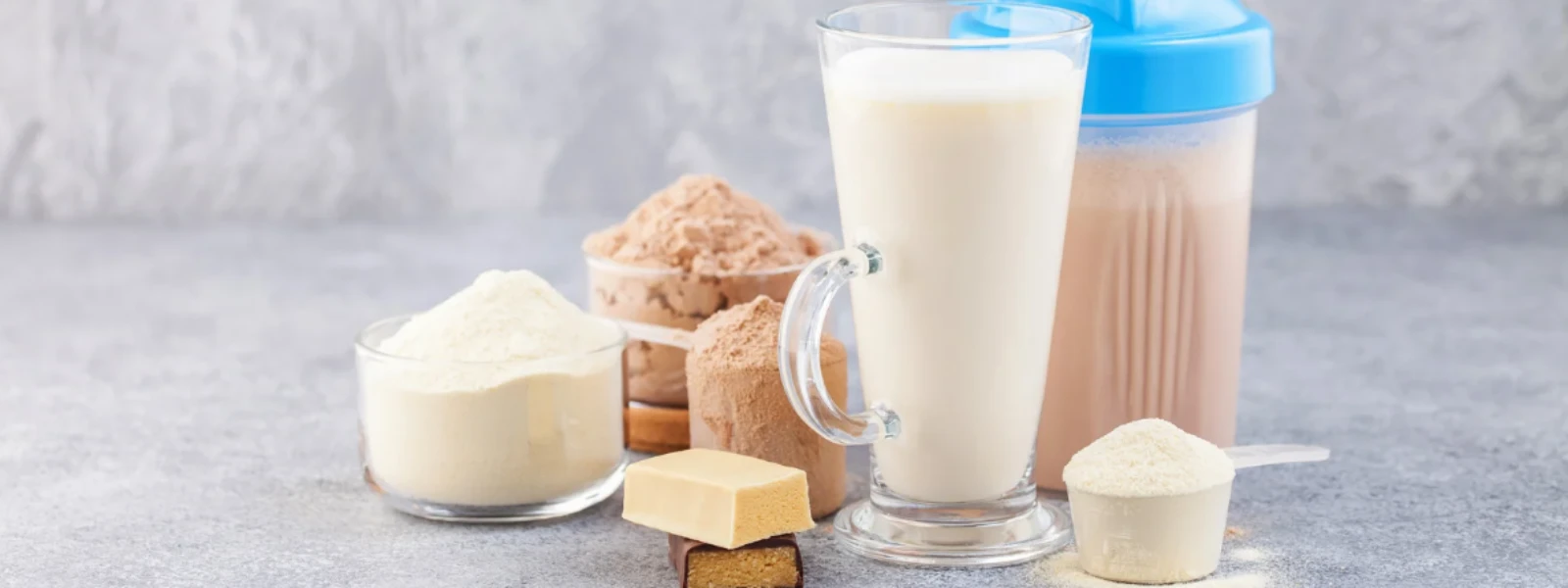


Both collagen and PrOtein pOWDer have taken the wellness world by storm, but many people wonder: is collagen like protein powder? While both are protein-based supplements, they serve very different purposes in your wellness routine. Understanding these differences can help you make the right choice for your specific health goals.
This guide will break down the key differences between collagen supplements and traditional protein powders, helping you understand when to use each one and how they can support your overall wellness journey.
Collagen is the most abundant protein in your body, making up about 30% of all proteins. It acts like a scaffold, providing structure to your skin, bones, muscles, and connective tissues. Think of it as the glue that holds your body together.
Your body contains several collagen types, but three are most important:
Type I collagen makes up 90% of your body's collagen. It provides structure to skin, bones, and tendons. This type is what most collagen supplements contain.
Type II collagen is found in cartilage and supports joint health. It's less common in supplements but important for joint function.
Type III collagen works alongside Type I to support skin elasticity and blood vessel structure.
Your body naturally produces collagen, but this production slows down as you age. After age 25, you lose about 1% of your collagen each year. By age 50, you may have lost up to 25% of your natural collagen.
This decline explains why many people turn to collagen supplements to support their body's natural processes.
The main difference between collagen vs protein powder lies in their amino acid profiles. Regular protein powders contain all nine essential amino acids your body cannot make on its own.
Collagen protein is different. It's rich in three specific amino acids: glycine, proline, and hydroxyproline. These amino acids are particularly important for collagen synthesis in your body.
Collagen peptides are broken down into smaller molecules, making them easier for your body to absorb. This process, called hydrolysis, creates collagen hydrolysate that your digestive system can process more efficiently.
Traditional protein powders also have good absorption rates, but they're primarily used for different purposes than collagen supplements.
Did You Know?
Marine collagen peptides have shown superior absorption compared to other collagen sources, with studies showing they can increase skin hydration and reduce fine lines within 8-12 weeks of consistent use.
Collagen benefits extend far beyond just protein supplementation. Here's when collagen might be your better choice:
Collagen for skin health is one of the most researched benefits. Studies show that collagen supplements can improve skin hydration, elasticity, and may help reduce the appearance of fine lines.
The amino acids in collagen support your skin's natural repair processes and help maintain its structural integrity.
Collagen supplements may help support joint comfort and bone health. The specific amino acids in collagen are building blocks for cartilage and bone tissue.
Many people notice stronger, healthier hair and nails when taking collagen supplements regularly. This is because collagen provides the amino acids needed for keratin production.
The glycine in collagen may support gut lining health, which is important for overall digestive wellness.
Traditional protein powders excel in different areas than collagen supplements:
Protein powders contain complete amino acid profiles that support muscle protein synthesis. This makes them ideal for post-workout recovery and muscle building.
High-quality protein powders can help you feel full longer and support healthy weight management by preserving lean muscle mass.
For athletes and fitness enthusiasts, protein powders provide the essential amino acids needed for optimal performance and recovery.
You don't have to choose between collagen and protein powder. Many people benefit from using both supplements for different purposes.
Using collagen powder in the morning for skin and joint support, while having protein powder post-workout for muscle recovery, can provide comprehensive wellness benefits.
Most studies on collagen use doses between 2.5-15 grams daily, while protein powder servings typically range from 20-30 grams.
Don't forget about collagen rich foods like bone broth, fish, and chicken, which can complement your supplement routine.
Whether choosing collagen or protein powder, quality matters:
Look for supplements that clearly state their source. Marine collagen is often considered superior due to its smaller molecular size and better absorption.
Choose supplements that undergo third-party testing for purity and potency. This ensures you're getting what's on the label.
Consider whether you prefer powder, capsules, or liquid forms. Check ingredient lists for unnecessary additives or allergens.
Yes, you can safely take both supplements. They serve different purposes and can complement each other in your wellness routine. Many people use collagen for skin and joint support while using protein powder for muscle recovery.
Most people notice improvements in skin hydration within 4-6 weeks of consistent use. For joint comfort and other benefits, it may take 8-12 weeks to see noticeable changes.
Both supplements are generally well-tolerated. Some people may experience mild digestive discomfort when first starting. Always start with the recommended dose and consult your healthcare provider if you have concerns.
Traditional protein powder typically has a more complete amino acid profile that may be more beneficial for muscle preservation during weight loss. However, both can be part of a healthy weight management plan.
Neither supplement requires empty stomach consumption. Collagen can be taken anytime, while protein powder is often most beneficial around workout times or as a meal replacement.
While collagen and protein powder are both valuable supplements, they serve different purposes in your wellness journey. Collagen excels at supporting skin health, joint comfort, and overall structural wellness, while traditional protein powders are superior for muscle building and athletic performance. The choice between them depends on your specific health goals and lifestyle needs. Consider consulting with a healthcare professional to determine which supplement aligns best with your individual wellness objectives and current health status.



