How to Choose: Plant vs Animal Collagen Guide


Your skin tells a story. Every line, every glow, every moment of elasticity reflects the complex dance of proteins working beneath the surface. At the heart of this story lies collagen—the most abundant protein in your body and the foundation of youthful, resilient skin. As we age, this crucial protein naturally declines, leaving many searching for the best way to support their skin's health through supplementation.
The collagen supplement market presents two distinct paths: traditional animal-derived collagen and innovative plant-based alternatives. Each approach offers unique benefits, mechanisms, and considerations that can significantly impact your skin health journey. Understanding the science behind plant collagen vs animal collagen empowers you to make an informed decision that aligns with your health goals, dietary preferences, and lifestyle.
This comprehensive guide will walk you through the fundamental differences between these two approaches, examine their effectiveness, and provide you with the knowledge needed to choose the right collagen strategy for your skin. You'll discover how each type works in your body, what the research reveals about their benefits, and practical considerations for incorporating them into your daily routine.
Collagen serves as your skin's structural scaffolding, providing the framework that maintains firmness, elasticity, and smooth texture. This remarkable protein accounts for approximately 75% of your skin's dry weight and plays a crucial role in maintaining its youthful appearance. When collagen levels are optimal, your skin appears plump, smooth, and resilient to environmental stressors.
The human body produces several types of collagen, with Type I being the most abundant in skin tissue. This specific type contributes directly to collagen for skin elasticity, helping maintain the bounce and flexibility that characterizes healthy, youthful skin. Type III collagen works alongside Type I to provide additional structural support, while other types serve specialized functions throughout the body.
Beginning in your mid-twenties, natural collagen production decreases by approximately 1% each year. This gradual decline accelerates due to various factors including UV exposure, pollution, stress, poor nutrition, and lifestyle choices. The visible signs of this decrease manifest as fine lines, wrinkles, reduced skin firmness, and slower wound healing.
Environmental factors significantly impact collagen breakdown. UV radiation generates free radicals that damage existing collagen fibers, while chronic inflammation from poor diet or stress accelerates the degradation process. Understanding these mechanisms helps explain why collagen production boosters become increasingly important as we age.
Animal-derived collagen supplements have dominated the market for decades, offering direct collagen peptides that closely mirror the protein structure found in human skin. These supplements typically source collagen from marine animals, bovine (cattle), porcine (pig), or chicken sources, each providing distinct amino acid profiles and benefits.
Marine collagen, extracted from fish skin and scales, contains primarily Type I collagen—the same type most abundant in human skin. This source typically offers smaller peptide molecules, potentially enhancing absorption and bioavailability. Bovine collagen provides both Type I and Type III collagen, supporting not only skin health but also bone and joint function.
When you consume animal collagen supplements, your digestive system breaks down the collagen peptides into individual amino acids and smaller peptide chains. These components then travel through your bloodstream to various tissues, where they may stimulate your body's natural collagen production processes.
Research indicates that collagen peptides benefits from animal sources include improved skin hydration, increased skin elasticity, and reduced appearance of fine lines. Clinical studies have demonstrated measurable improvements in skin parameters after 8-12 weeks of consistent supplementation with animal-derived collagen peptides.
Did You Know?
Marine collagen peptides have been shown in clinical studies to increase skin hydration by up to 28% and reduce wrinkle depth by up to 20% after 12 weeks of daily supplementation.
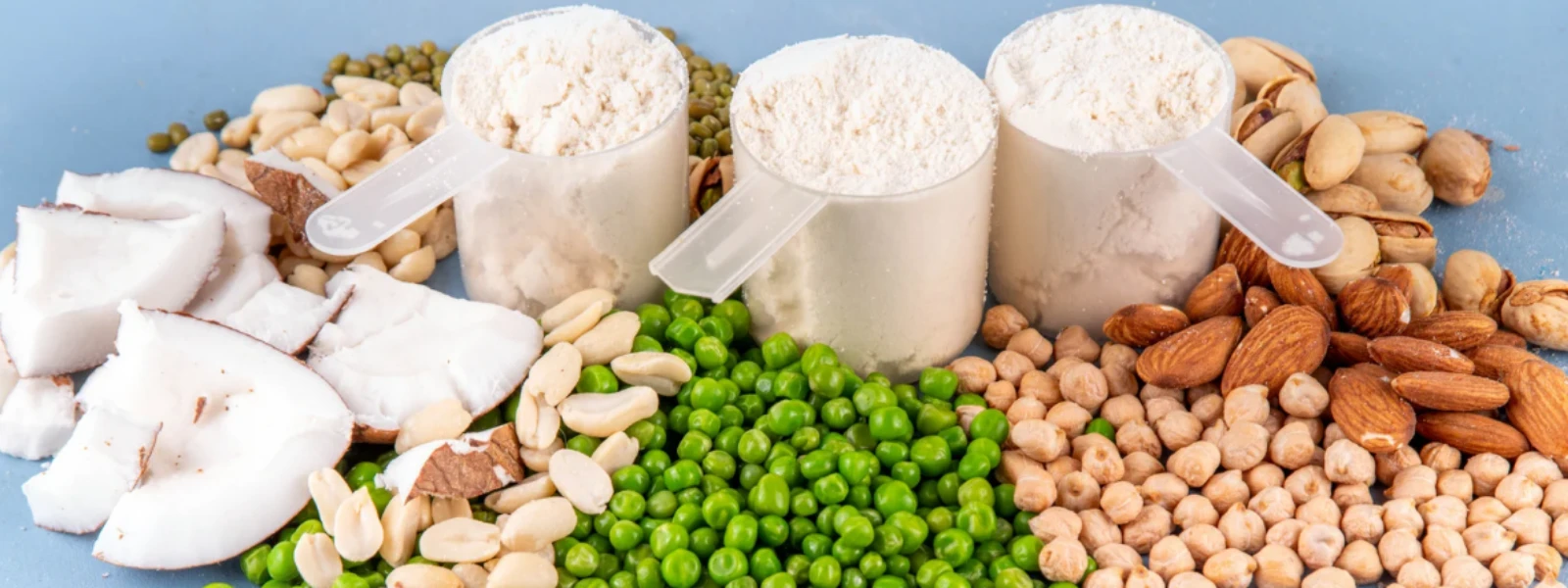
Plant-based collagen supplements take a fundamentally different approach to supporting skin health. Rather than providing direct collagen peptides, these formulations contain nutrients and compounds that support your body's natural collagen synthesis processes. This approach recognizes that your body is perfectly capable of producing collagen when provided with the right building blocks and cofactors.
Plant based collagen supplements typically include Vitamin C, silica, biotin, amino acids, and various botanical extracts that work synergistically to enhance natural collagen production. These ingredients address multiple aspects of collagen synthesis, from providing essential cofactors to protecting existing collagen from degradation.
The vegan collagen benefits extend beyond simple collagen support. Plant-based formulations often include powerful antioxidants that protect existing collagen from free radical damage, while simultaneously providing the nutrients necessary for new collagen synthesis. This dual approach addresses both prevention and production.
Vitamin C plays a crucial role in collagen synthesis, serving as an essential cofactor for the enzymes responsible for collagen formation. Without adequate Vitamin C, your body cannot produce stable, functional collagen fibers. Plant-based supplements often provide this vitamin from natural sources like acerola cherry or camu camu, offering superior bioavailability compared to synthetic alternatives.
Bamboo extract provides one of nature's richest sources of silica, a mineral essential for collagen and elastin formation. Horsetail herb offers additional silica along with other trace minerals that support skin health. Algae-derived nutrients provide unique compounds that may enhance cellular regeneration and collagen production.
Other beneficial plant sources include gotu kola, which has been traditionally used to support skin healing and collagen formation, and various berry extracts rich in anthocyanins and other flavonoids that protect collagen from oxidative damage.
When comparing animal collagen sources with plant-based alternatives, several key factors emerge that can guide your decision-making process. Understanding these differences helps you align your choice with your specific needs, preferences, and health goals.
Bioavailability represents one of the most significant considerations in this comparison. Animal collagen provides direct peptides that your body can readily utilize, while plant-based options provide the building blocks and cofactors necessary for your body to produce its own collagen. Both approaches can be effective, but they work through different mechanisms.
Animal collagen supplements may produce more rapidly noticeable results due to their direct peptide content. Many users report improvements in skin hydration and texture within 4-6 weeks of consistent use. Plant-based supplements may take longer to show visible results, as they work by gradually enhancing your body's natural collagen production processes.
However, the results from plant-based supplements may be more sustainable long-term, as they address the root causes of collagen decline rather than simply supplementing with external peptides. This approach supports your body's natural ability to maintain healthy collagen levels over time.
Your choice between plant and animal collagen should reflect your individual circumstances, dietary preferences, and health goals. Several factors can help guide this decision and ensure you select the most appropriate option for your lifestyle.
Dietary restrictions play a significant role in this decision. Those following vegetarian or vegan lifestyles will naturally gravitate toward plant-based options, while others may prefer the direct approach offered by animal-derived supplements. Neither choice is inherently superior—both can effectively support skin health when used appropriately.
Regardless of your choice, quality should remain a top priority. Look for supplements that undergo third-party testing for purity, potency, and safety. Best collagen sources will provide transparency about their sourcing, processing methods, and quality control measures.
For animal collagen, seek products sourced from grass-fed, pasture-raised animals or wild-caught fish. These sources typically provide superior amino acid profiles and fewer contaminants. Plant-based options should feature organic ingredients when possible and avoid unnecessary additives or artificial ingredients.
Successful collagen supplementation extends beyond simply choosing between plant and animal sources. Your overall approach to skin health, including diet, lifestyle factors, and complementary practices, significantly impacts the effectiveness of any collagen supplement.
Timing your supplementation can enhance absorption and effectiveness. Many experts recommend taking collagen supplements on an empty stomach, typically first thing in the morning or between meals. This timing allows for optimal absorption without interference from other nutrients or compounds.
Supporting your collagen supplementation with a nutrient-rich diet enhances results regardless of which type you choose. Foods rich in Vitamin C, zinc, copper, and amino acids provide additional building blocks for collagen synthesis. Adequate hydration also plays a crucial role in maintaining skin elasticity and supporting collagen function.
Protecting your existing collagen through sun protection, stress management, and avoiding smoking significantly impacts the effectiveness of any supplementation strategy. These lifestyle factors can either support or undermine your collagen health efforts.
The most effective collagen strategy often involves a personalized approach that considers your unique needs, preferences, and circumstances. Some individuals may benefit from combining both plant and animal sources, while others may find success with a single approach.
Collagen types for beauty applications may vary based on your specific skin concerns. Those primarily focused on anti-aging benefits might prioritize Type I collagen sources, while individuals concerned with overall skin health might benefit from a broader spectrum approach that includes multiple collagen types and supporting nutrients.
Plant-based collagen supplements work differently than animal collagen by providing nutrients that support your body's natural collagen production. While animal collagen provides direct peptides, plant-based options can be equally effective by addressing the root causes of collagen decline and providing sustained support for natural collagen synthesis.
Most people begin noticing improvements in skin hydration and texture within 4-8 weeks of consistent supplementation. More significant changes in skin elasticity and fine line reduction typically become apparent after 8-12 weeks of regular use. Individual results may vary based on age, lifestyle factors, and overall health status.
Yes, combining both approaches can be beneficial for some individuals. Animal collagen provides direct peptides while plant-based supplements offer supporting nutrients and antioxidants. This combination approach may provide comprehensive support for both collagen production and protection from degradation.
Look for products that undergo third-party testing for purity and potency. Choose supplements with transparent sourcing information, minimal additives, and appropriate certifications. For animal sources, seek grass-fed or wild-caught options. For plant-based supplements, prioritize organic ingredients and avoid artificial additives.
Collagen supplements are generally well-tolerated by most people. Some individuals may experience mild digestive discomfort when first starting supplementation. Those with specific food allergies should carefully review ingredient lists, particularly for marine or bovine-derived products. Starting with a lower dose and gradually increasing can help minimize any initial digestive sensitivity.
The choice between plant collagen vs animal collagen ultimately depends on your individual needs, dietary preferences, and health goals. Both approaches offer valid pathways to supporting skin health and maintaining collagen levels as you age. Animal collagen provides direct peptides that may produce faster visible results, while plant-based options support your body's natural collagen production processes for potentially more sustainable long-term benefits. Quality, consistency, and a comprehensive approach to skin health remain the most important factors for success, regardless of which type you choose. Consider your lifestyle, dietary restrictions, and personal preferences when making this decision, and remember that the best collagen supplement is the one you'll use consistently as part of a holistic approach to skin health and wellness.



