How to Combat Collagen Deficiency and Boost Production?


Your skin feels less elastic, your joints ache more than usual, and your nails seem to break at the slightest touch. These seemingly unrelated symptoms might all point to one underlying issue: collagen deficiency. As the most abundant protein in your body, collagen serves as the scaffolding that holds everything together, from your skin and bones to your blood vessels and digestive tract.
Understanding how to identify and address collagen deficiency can transform not just how you look, but how you feel every day. This guide will walk you through the warning signs, root causes, and proven strategies to restore your body's collagen production naturally.
Collagen deficiency occurs when your body either produces insufficient amounts of this crucial structural protein or breaks it down faster than it can rebuild it. Think of collagen as the glue that holds your body together – it makes up about 30% of all proteins in your body and provides strength and structure to your skin, bones, muscles, tendons, and ligaments.
This condition develops gradually as your natural collagen production begins to decline around age 25, dropping by approximately 1% each year. However, collagen deficiency isn't just about natural aging. Various factors can accelerate collagen loss, leading to symptoms that appear earlier and more severely than expected.
The difference between normal aging and accelerated collagen loss lies in the speed and severity of symptoms. While everyone experiences some collagen decline over time, those with deficiency may notice significant changes in their skin elasticity, joint comfort, and overall vitality much sooner than their peers.
The most visible signs of collagen deficiency appear on your skin. You might notice increased wrinkles, particularly around the eyes and mouth, along with sagging skin and a loss of that youthful bounce. Your skin may also become drier and thinner, making it more prone to damage and slower to heal from minor cuts or scrapes.
Collagen forms a significant part of your cartilage, the smooth tissue that cushions your joints. When collagen levels drop, you may experience increased joint pain, stiffness, and reduced mobility. This is often most noticeable in the morning or after periods of inactivity.
Your nails and hair rely on collagen for strength and growth. Low collagen symptoms often include nails that break easily, peel, or have ridges. Hair may become thinner, more brittle, or grow more slowly than usual.
Other symptoms include muscle weakness, slower recovery from exercise, digestive issues, delayed wound healing, and increased bruising. Some people also experience changes in blood pressure as collagen supports blood vessel structure.
Did You Know?
Your body contains at least 16 different types of collagen, with Type I making up 90% of your body's collagen and being primarily responsible for skin, bone, and tendon strength.
The primary cause of collagen deficiency is the natural aging process. After age 25, collagen production decreases by about 1% annually. This gradual decline accelerates during menopause for women due to hormonal changes, particularly decreased estrogen levels.
Poor nutrition significantly impacts collagen production. Vitamin C deficiency is particularly problematic since this vitamin is essential for collagen synthesis. Without adequate Vitamin C, your body cannot properly form the collagen triple helix structure.
Several lifestyle choices accelerate collagen loss. Smoking reduces blood flow to the skin and depletes Vitamin C levels. Excessive sugar consumption leads to glycation, a process that damages collagen fibers and makes them rigid. Prolonged sun exposure breaks down collagen through UV radiation damage.
Environmental toxins, chronic stress, and certain medical conditions can also contribute to accelerated collagen breakdown. Autoimmune conditions, in particular, may affect collagen production and maintenance.
Incorporating foods that contain collagen or support its production can help address deficiency. Bone broth stands out as one of the richest sources of bioavailable collagen. Fish with edible bones, chicken skin, and egg whites also provide substantial amounts of collagen and its building blocks.
Since Vitamin C is crucial for collagen synthesis, include plenty of citrus fruits, berries, bell peppers, broccoli, and leafy greens in your diet. These foods provide the cofactors your body needs to build new collagen.
Other nutrients that support collagen production include copper found in nuts and seeds, zinc from pumpkin seeds and shellfish, and proline from dairy products and cabbage. These work together to optimize your body's collagen-building processes.
Focus on a balanced diet rich in protein, Vitamin C, and antioxidants. Reduce sugar intake and processed foods that can damage existing collagen. Consider incorporating collagen-rich foods into your daily meals through bone broth soups or adding gelatin to smoothies.
Protect your skin from UV damage with broad-spectrum sunscreen and protective clothing. Manage stress through meditation or yoga, as chronic stress increases cortisol levels that break down collagen. Prioritize quality sleep, as this is when your body repairs and rebuilds tissues.
Regular exercise, particularly resistance training and activities that put gentle stress on bones and joints, can stimulate collagen production. Activities like yoga, swimming, and weight lifting help maintain collagen in bones, joints, and muscles.
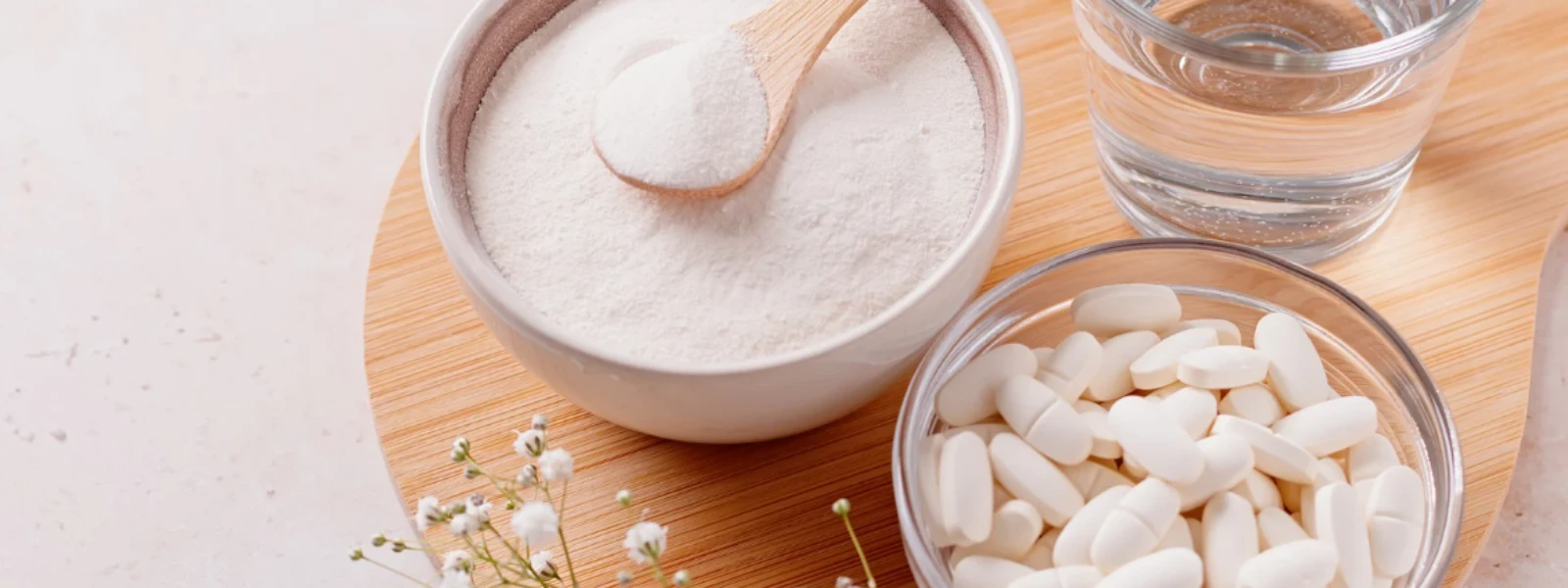
Research suggests that collagen supplements, particularly marine collagen peptides, can be effective in supporting skin health and joint comfort. These supplements provide the amino acids your body needs to build new collagen, though they don't directly replace lost collagen.
When choosing collagen supplements, look for hydrolyzed collagen peptides, which are more easily absorbed by your body. Marine collagen tends to have smaller peptides that may be more bioavailable than bovine sources.
The optimal dosage typically ranges from 2.5 to 10 grams daily, taken consistently over several months to see benefits. Most people notice improvements in skin hydration within 4-6 weeks, with more significant changes in skin elasticity and joint comfort appearing after 8-12 weeks.
The earliest signs include skin dryness, fine lines around the eyes, and minor joint stiffness, particularly noticeable in the morning. You might also notice that your nails break more easily or your hair seems less full.
Most people notice improvements in skin hydration within 4-6 weeks of consistent dietary changes and supplementation, with significant changes in elasticity and joint comfort appearing after 8-12 weeks.
There's no direct test for collagen levels in healthy individuals. Diagnosis is based on symptoms, medical history, and sometimes specialized tests for specific collagen disorders in clinical settings.
Bone broth, chicken skin, fish with bones, and egg whites contain the most bioavailable collagen, while Vitamin C-rich foods help your body produce more collagen naturally.
While natural aging cannot be completely reversed, collagen deficiency symptoms can be significantly improved through proper nutrition, lifestyle changes, and targeted supplementation strategies.
Collagen deficiency affects multiple aspects of your health, from skin elasticity and joint comfort to nail strength and hair quality. By understanding the warning signs and implementing proven strategies like proper nutrition, lifestyle modifications, and consistent supplementation, you can support your body's natural collagen production and maintain your structural foundation for years to come. Remember that addressing collagen deficiency is a gradual process that requires patience and consistency, but the benefits to your overall health and vitality make the effort worthwhile.



