Natural Collagen Boosting: Your Complete Guide
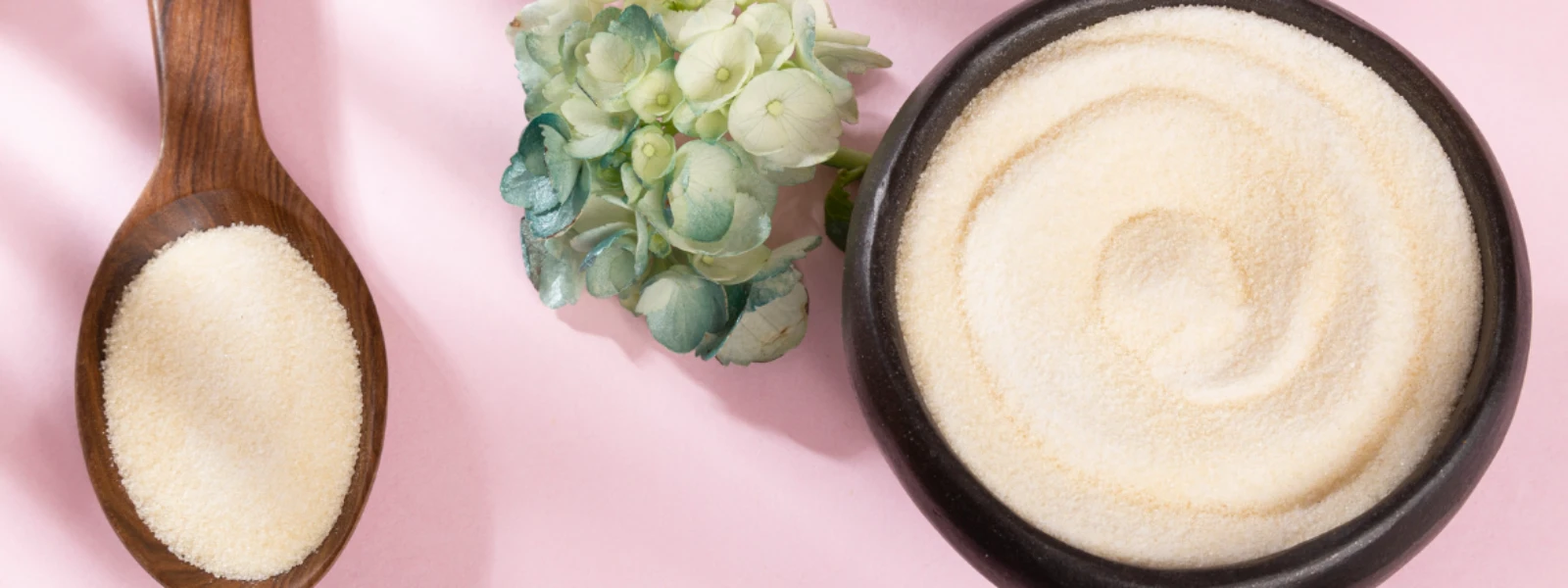


The global collagen industry is worth over $4 billion, yet some of the most effective natural ways to boost collagen production cost nothing at all. While expensive treatments and supplements flood the market, your kitchen and daily habits hold powerful tools for maintaining youthful, healthy skin. Collagen, the protein responsible for skin elasticity and firmness, naturally declines as we age, but science shows we can support our body's own collagen production through targeted nutrition and lifestyle choices.
This guide explores evidence-based natural collagen production methods, from collagen boosting foods to anti-aging skincare practices. You'll discover how to build a collagen rich diet, understand the role of Vitamin C for collagen synthesis, and learn practical youthful skin tips that work from the inside out.
Collagen is the most abundant protein in your body, making up about 30% of your total protein content. Think of it as the scaffolding that keeps your skin firm, elastic, and smooth. There are several types of collagen, but Type I, II, and III are most important for skin health.
Type I collagen provides structure to your skin, bones, and tendons. Type II supports cartilage health, while Type III works alongside Type I to maintain skin elasticity and blood vessel structure. These proteins form a network of fibers that give your skin its strength and flexibility.
Your body naturally produces collagen through a complex process involving amino acids, Vitamin C, and other cofactors. However, this natural collagen production begins declining around age 25, dropping by approximately 1% each year. By age 40, you may have lost 10-15% of your collagen, leading to visible signs of aging.
Several indicators suggest your collagen levels may be declining. Fine lines and wrinkles appear first around the eyes and mouth, where skin is thinnest. You might notice your skin feels less firm when pinched, taking longer to bounce back to its original position.
Reduced healing capacity is another sign - cuts, scrapes, or blemishes may take longer to repair. Your skin might also feel drier and appear less plump, with a rougher texture than before. These changes occur gradually, making early intervention through natural methods particularly beneficial.
Your body builds collagen from specific amino acids, particularly glycine, proline, and hydroxyproline. Foods rich in these building blocks provide the raw materials your body needs for natural collagen production.
Chicken, fish, and lean beef contain high levels of glycine and proline. Wild-caught fish like salmon, mackerel, and sardines offer additional benefits through omega-3 fatty acids that support skin health. Eggs provide complete amino acid profiles along with biotin and sulfur compounds that support collagen synthesis.
Plant-based options include legumes like lentils, chickpeas, and black beans. Quinoa offers all essential amino acids, while hemp seeds provide protein plus beneficial fatty acids. These foods for healthy skin work best when combined with collagen cofactors.
Vitamin C plays a crucial role in collagen synthesis, acting as a cofactor in the conversion of proline to hydroxyproline. Without adequate Vitamin C, your body cannot produce stable collagen fibers, regardless of protein intake.
Citrus fruits like oranges, grapefruits, and lemons provide readily absorbed Vitamin C. However, berries often contain higher concentrations - strawberries, blueberries, and acai berries offer antioxidants alongside Vitamin C for enhanced skin protection.
Vegetables can be even richer sources. Bell peppers contain more Vitamin C per serving than most citrus fruits. Broccoli, Brussels sprouts, and kale provide Vitamin C plus sulfur compounds that support collagen cross-linking. Adults need about 75-90mg of Vitamin C daily for optimal collagen synthesis, easily achieved through two servings of high-Vitamin C foods.
Did You Know?
One medium red bell pepper contains over 150mg of Vitamin C - nearly double the daily requirement for collagen synthesis. This makes colorful vegetables some of the most efficient collagen boosting foods available.
Bone broth represents one of the most direct sources of collagen peptides. Homemade bone broth from grass-fed animals provides Type I and III collagen along with glycine, proline, and minerals like calcium and phosphorus. Simmering bones for 12-24 hours breaks down collagen into easily absorbed peptides.
Zinc and copper serve as essential cofactors in collagen production. Nuts and seeds like pumpkin seeds, cashews, and almonds provide both minerals. Shellfish, particularly oysters and crab, offer highly bioavailable zinc. Whole grains contribute copper along with B vitamins that support protein metabolism.
Antioxidant-rich foods protect existing collagen from damage. Leafy greens like spinach and kale provide Vitamin A and folate. Tomatoes contain lycopene, which protects against UV-induced collagen breakdown. Dark berries offer anthocyanins that strengthen collagen fibers and improve skin elasticity.
Proper hydration supports collagen synthesis at the cellular level. Water helps transport nutrients to skin cells and removes waste products that can interfere with protein production. Aim for 8-10 glasses of water daily, adjusting for activity level and climate.
Hydrating foods contribute to overall fluid intake while providing additional nutrients. Cucumber, watermelon, and leafy greens have high water content plus vitamins and minerals. Herbal teas count toward hydration goals while offering antioxidants.
Sleep quality directly impacts collagen production. During deep sleep phases, your body releases growth hormone, which stimulates collagen synthesis and cellular repair. Most adults need 7-9 hours of quality sleep for optimal skin regeneration. Poor sleep disrupts this process, leading to accelerated aging signs.
Regular exercise promotes collagen production through multiple mechanisms. Resistance training creates controlled stress on connective tissues, stimulating collagen synthesis in response. This process strengthens skin structure and improves firmness over time.
Facial exercises and massage techniques can specifically target facial collagen. Gentle upward strokes and circular motions improve blood circulation, delivering nutrients to skin cells. These practices also help maintain muscle tone beneath the skin, providing better structural support.
Cardiovascular exercise enhances blood circulation throughout the body, ensuring efficient delivery of collagen building blocks to skin cells. Activities like walking, swimming, or cycling for 30 minutes daily support overall skin health and natural collagen production.
UV radiation breaks down collagen fibers through a process called photoaging. UVA rays penetrate deep into the dermis, where they damage collagen and elastin networks. This damage accumulates over time, leading to premature wrinkles and loss of skin elasticity.
Daily application of broad-spectrum SPF 30 or higher sunscreen provides essential protection. Apply 15-20 minutes before sun exposure and reapply every two hours. Physical sunscreens containing zinc oxide or titanium dioxide offer reliable protection without chemical absorption.
Internal sun protection comes from antioxidant-rich foods. Lycopene from tomatoes, beta-carotene from orange vegetables, and polyphenols from green tea help protect against UV-induced collagen damage. These compounds work synergistically with topical sun protection for comprehensive defense.
Sugar accelerates collagen breakdown through a process called glycation. When blood sugar levels remain elevated, glucose molecules bind to collagen fibers, making them stiff and brittle. This process, known as advanced glycation end products (AGEs), contributes significantly to skin aging.
Limiting processed foods, sugary drinks, and refined carbohydrates helps prevent glycation damage. Choose whole grains, fruits, and vegetables that provide steady blood sugar levels rather than spikes that promote AGE formation.
Smoking dramatically accelerates collagen breakdown. Nicotine reduces blood flow to skin cells, while toxic chemicals in cigarettes directly damage collagen fibers. Quitting smoking can begin reversing some damage within weeks, as circulation improves and oxidative stress decreases.
Chronic stress elevates cortisol levels, which breaks down collagen and impairs new collagen synthesis. Stress management through meditation, yoga, or regular exercise helps maintain healthy cortisol levels and supports natural collagen production.
Collagen supplements can complement a healthy diet when natural collagen production needs additional support. Marine collagen peptides show high bioavailability, meaning your body can easily absorb and use them. Research suggests 10-20 grams daily may support skin elasticity and hydration.
Timing matters for supplement absorption. Taking collagen supplements on an empty stomach or with Vitamin C enhances uptake. Some people prefer morning doses to support daily collagen synthesis, while others take supplements before bed to align with natural repair cycles.
Quality varies significantly among collagen supplements. Look for products that specify collagen types, source animals, and third-party testing for purity. Marine collagen from wild-caught fish often provides superior absorption compared to bovine sources.
Whole food sources provide collagen building blocks along with cofactors needed for synthesis. Unlike isolated supplements, foods offer complete nutrient profiles that support overall health. A chicken breast provides protein, B vitamins, and minerals alongside collagen precursors.
Cost-effectiveness favors whole foods for long-term collagen support. A varied diet rich in protein, Vitamin C, and antioxidants costs less than high-quality supplements while providing broader nutritional benefits. This approach also supports sustainable healthy habits.
Food sources offer additional compounds that enhance collagen benefits. Bone broth provides glycosaminoglycans that support joint health. Citrus fruits offer bioflavonoids that strengthen collagen fibers. These synergistic effects are difficult to replicate in isolated supplements.
Topical Vitamin C serums can stimulate collagen production when applied consistently. L-ascorbic acid provides the most potent effects but requires stable formulations. Magnesium ascorbyl phosphate and sodium ascorbyl phosphate offer gentler alternatives with good stability.
Natural retinol alternatives like bakuchiol provide collagen-stimulating effects without irritation. Rosehip oil contains natural retinoids along with Vitamin C and essential fatty acids. These ingredients work gradually to improve skin texture and firmness.
Peptide-rich ingredients signal skin cells to increase collagen production. Naturally occurring peptides from plant sources or fermented ingredients can provide these benefits. Look for products containing palmitoyl pentapeptide-4 or acetyl hexapeptide-8 from natural sources.
Simple Vitamin C face masks using fresh ingredients can support topical collagen synthesis. Mash fresh strawberries with honey for a gentle exfoliating mask rich in Vitamin C and antioxidants. Apply for 10-15 minutes before rinsing with cool water.
Facial massage techniques stimulate blood flow and may encourage collagen production. Use gentle upward strokes from jawline to temples, spending extra time on areas prone to fine lines. Perform these massages with clean hands or a jade roller for 5-10 minutes daily.
Essential oils like frankincense and rosemary contain compounds that may support skin elasticity. Dilute 1-2 drops in a carrier oil like jojoba or argan oil before applying. These oils work best as part of evening skincare routines when skin undergoes natural repair processes.
Yes, you can support your body's natural collagen production through diet, lifestyle changes, and topical treatments. While you cannot completely stop age-related collagen decline, research shows that adequate protein intake, Vitamin C consumption, and protective habits can help maintain healthier collagen levels. Visible improvements in skin elasticity and hydration typically appear after 8-12 weeks of consistent natural collagen support.
Focus on targeted nutrition with collagen boosting foods like bone broth, citrus fruits, and leafy greens. Practice facial massage techniques daily to improve circulation and stimulate collagen synthesis. Protect existing collagen with daily sunscreen use and antioxidant-rich skincare. Combine these approaches with adequate sleep and stress management for comprehensive facial collagen support.
Bone broth from grass-fed animals contains the highest levels of bioavailable collagen peptides. Fish with edible bones like sardines and salmon provide marine collagen along with omega-3 fatty acids. Chicken skin and cartilage offer significant collagen content. For collagen building blocks, focus on protein-rich foods like eggs, lean meats, and legumes combined with Vitamin C sources.
Create homemade bone broth by simmering grass-fed beef or chicken bones for 12-24 hours with vegetables and herbs. Add apple cider vinegar to help extract collagen from bones. Strain and store in refrigerator for up to one week. You can also make collagen-boosting smoothies combining berries, leafy greens, and protein powder for a nutrient-dense collagen support drink.
UV radiation from sun exposure causes the most significant collagen damage through photoaging. Sugar consumption accelerates collagen breakdown through glycation, while smoking reduces blood flow and introduces toxins that damage collagen fibers. Chronic stress elevates cortisol levels, which directly breaks down existing collagen. Protecting against these factors is essential for maintaining healthy collagen levels.
Natural ways to boost collagen offer sustainable, cost-effective approaches to maintaining youthful, healthy skin. By focusing on collagen boosting foods rich in protein and Vitamin C, protecting existing collagen from damage, and supporting your body's natural production processes, you can significantly impact your skin's appearance and health. The combination of a collagen rich diet, proper hydration, quality sleep, and protective skincare creates a comprehensive anti-aging strategy that works from within. Remember that consistency matters more than perfection - small daily choices in nutrition and lifestyle compound over time to support your body's natural collagen production and maintain skin elasticity for years to come.



