Vegan Protein & Keto: Your Essential Checklist
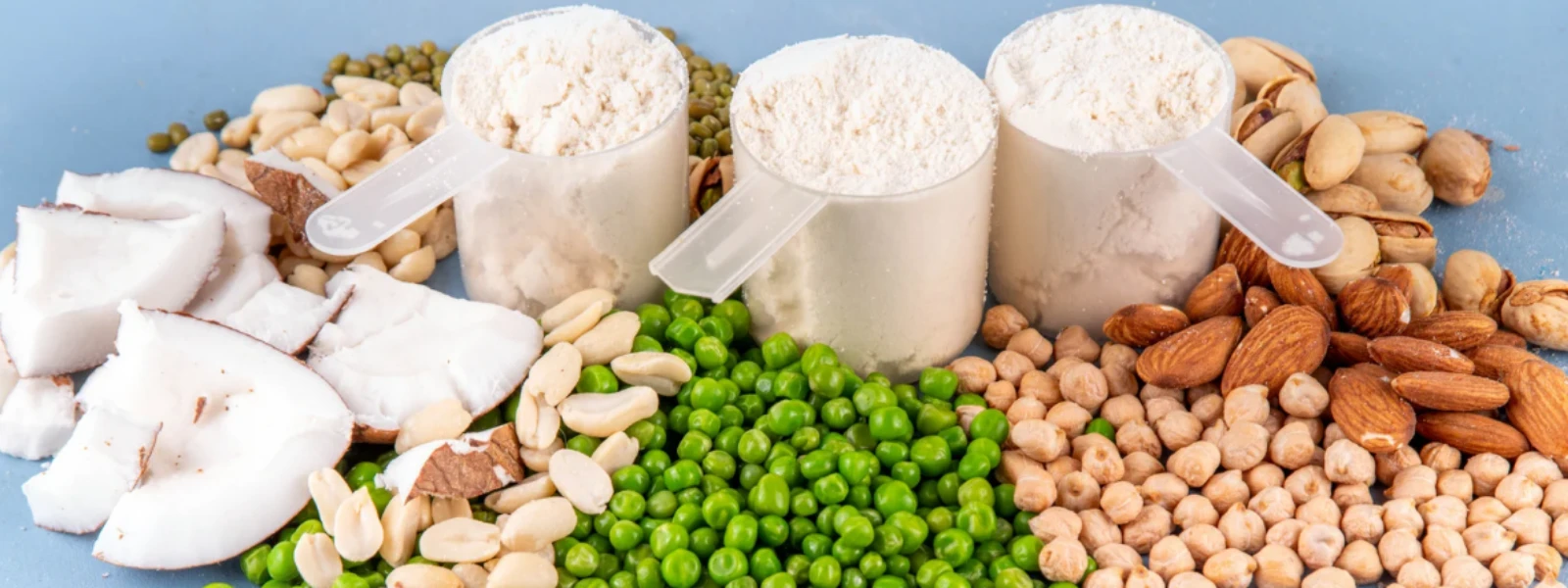


The ketogenic diet has transformed how we think about nutrition, emphasizing high-fat, moderate-protein, and ultra-low-carb eating patterns. For those following a plant-based lifestyle, the question "can I take vegan protein powder while keto diet" becomes particularly complex. This intersection of two popular dietary approaches requires careful consideration of macronutrient profiles, hidden carbohydrates, and protein quality.
Combining vegan nutrition with ketogenic principles presents unique challenges that go beyond simple macronutrient counting. Plant-based protein sources often contain varying amounts of carbohydrates, which can potentially disrupt the metabolic state of ketosis that defines the keto diet's effectiveness.
This comprehensive guide examines the compatibility between vegan protein powders and ketogenic eating, providing evidence-based strategies for maintaining ketosis while meeting protein requirements through plant-based sources. You'll discover how to evaluate protein powders, identify keto-friendly options, and optimize your supplementation approach for sustained success.
The ketogenic diet fundamentally alters how your body processes macronutrients for energy production. Traditional keto macronutrient distribution typically consists of 70-75% fat, 20-25% protein, and 5-10% carbohydrates. This precise balance forces your body into ketosis, a metabolic state where fat becomes the primary fuel source instead of glucose.
Protein plays a crucial role in maintaining muscle mass during ketosis while supporting various physiological functions. However, excessive protein intake can potentially interfere with ketosis through a process called gluconeogenesis, where amino acids convert to glucose. This biological mechanism explains why protein quality and quantity matter significantly more on a ketogenic diet compared to other eating patterns.
Research suggests that individuals following ketogenic diets should consume approximately 0.8-1.2 grams of protein per kilogram of body weight daily. This amount provides adequate amino acids for muscle preservation without significantly impacting ketone production. For active individuals or those engaged in resistance training, protein requirements may increase to 1.4-1.6 grams per kilogram of body weight.
The timing of protein consumption also influences ketosis maintenance. Distributing protein intake throughout the day, rather than consuming large amounts in single meals, helps minimize potential gluconeogenesis while supporting steady amino acid availability for cellular functions.
Not all vegan protein powders are created equal when it comes to keto compatibility. The primary concern lies in carbohydrate content, which varies significantly among different plant-based protein sources. Pea protein isolate, hemp protein, and rice protein each offer distinct macronutrient profiles that affect their suitability for ketogenic eating.
Pea protein isolate typically contains the lowest carbohydrate content among popular vegan options, often providing less than 2 grams of carbs per serving. This makes it an excellent choice for those following a strict ketogenic approach. Hemp protein, while nutritionally dense, contains higher carbohydrate levels that may require careful portion control to maintain ketosis.
When selecting keto vegan protein powder options, examine the nutrition label carefully. Look for products containing fewer than 3 grams of net carbohydrates per serving. Net carbohydrates are calculated by subtracting fiber content from total carbohydrates, as fiber doesn't significantly impact blood glucose levels or ketosis.
Many plant based keto protein powders combine multiple protein sources to create complete amino acid profiles. While this approach offers nutritional benefits, it may also increase carbohydrate content. Always verify the total macronutrient composition before incorporating any new protein powder into your ketogenic meal plan.
Protein isolates undergo more extensive processing to remove carbohydrates, fats, and other non-protein components. This processing results in higher protein concentrations and lower carbohydrate content compared to protein concentrates. For ketogenic applications, isolates typically represent the better choice due to their minimal carbohydrate impact.
Concentrates retain more of the original plant material, including naturally occurring carbohydrates. While they may offer additional micronutrients and fiber, they're less suitable for strict ketogenic protocols due to higher carb content.
Effective evaluation requires examining protein content, carbohydrate levels, fat content, and serving sizes. Calculate the percentage of calories from each macronutrient to determine if a product aligns with ketogenic ratios. Ideal keto friendly protein powder should derive at least 80% of calories from protein.
Many protein powders contain hidden carbohydrates in the form of natural flavors, thickeners, and sweeteners. Ingredients like maltodextrin, dextrose, and certain natural flavors can add significant carbohydrates that aren't immediately obvious from product marketing.
Read ingredient lists thoroughly and research unfamiliar additives. Some manufacturers use sugar alcohols or artificial sweeteners that may still impact ketosis in sensitive individuals.
Optimal timing for vegan protein for keto consumption depends on individual goals and daily macronutrient distribution. Post-workout supplementation supports muscle recovery without significantly disrupting ketosis when protein intake remains within established limits.
Consider splitting protein powder servings throughout the day to minimize potential gluconeogenesis while maintaining steady amino acid availability for cellular functions.
Even the best vegan protein keto options require careful portion management. Start with smaller servings to assess individual tolerance and gradually adjust based on ketone measurements and overall dietary goals.
Track total daily protein intake from all sources, including whole foods, to ensure you remain within optimal ranges for ketosis maintenance.
Did You Know?
Research published in the Journal of the International Society of Sports Nutrition found that pea protein isolate can be as effective as whey protein for supporting muscle growth when consumed as part of a resistance training program. This makes high-quality vegan proteins excellent alternatives for those following plant-based ketogenic approaches.
Quality protein powder for keto diet provides benefits extending far beyond basic protein requirements. These supplements often contain essential amino acids that support various physiological processes, including neurotransmitter production, immune function, and cellular repair mechanisms.
The relationship between keto diet skin health and protein intake involves complex interactions between amino acids, collagen synthesis, and inflammatory responses. Adequate protein consumption provides building blocks for collagen production, supporting skin elasticity and overall appearance.
Plant-based proteins often contain antioxidants and phytonutrients that may provide additional skin health benefits compared to animal-derived alternatives. These compounds help combat oxidative stress that can accelerate skin aging processes.
Protein has the highest thermic effect among macronutrients, meaning your body burns more calories digesting and processing protein compared to fats or carbohydrates. This metabolic boost can support weight management goals while following ketogenic eating patterns.
Vegan protein benefits include supporting healthy gut microbiome diversity, which influences metabolic function and overall health outcomes. Many plant-based proteins contain prebiotic fibers that feed beneficial gut bacteria.
Ketogenic diets can potentially lead to muscle loss if protein intake remains inadequate. Quality keto and vegan protein sources help preserve lean muscle mass during periods of caloric restriction or extended ketosis.
The leucine content in various plant proteins varies significantly, with some sources providing adequate amounts to stimulate muscle protein synthesis. Combining different vegan protein sources can help achieve optimal amino acid profiles for muscle maintenance.
Successfully combining vegan proteins with ketogenic eating requires awareness of common pitfalls and evidence-based solutions. Understanding these challenges helps prevent inadvertent ketosis disruption while maintaining adequate protein intake.
Many individuals assume all plant-based proteins are automatically keto-friendly, leading to poor product choices. Some vegan protein powders contain added sugars, high-carb binding agents, or excessive serving sizes that can quickly exceed daily carbohydrate limits.
Marketing claims can be misleading, with terms like "low-carb" having different meanings across products. Always verify nutritional information independently rather than relying solely on front-of-package claims.
Monitor ketone levels regularly when introducing new protein supplements to identify any negative impacts on ketosis. Individual responses to specific protein sources can vary significantly based on digestive efficiency, metabolic flexibility, and overall dietary context.
Consider cycling different vegan protein sources to prevent adaptation and maintain optimal ketone production. This approach also provides varied amino acid profiles and reduces potential sensitivities from repeated exposure to single protein sources.
Start with minimal effective doses and gradually increase based on tolerance and results. Keep detailed food logs including ketone measurements to identify patterns and optimize your approach over time.
Combine protein powders with healthy fats to better align with ketogenic macronutrient ratios. Adding MCT oil, coconut butter, or avocado to protein shakes can improve ketosis maintenance while enhancing satiety.
Creating an effective vegan keto protein strategy requires individualized considerations based on activity levels, health goals, and metabolic responses. What works optimally for one person may require adjustments for another, making personalized experimentation essential.
Consider working with qualified nutrition professionals who understand both plant-based eating and ketogenic metabolism. This guidance can help navigate complex interactions between different dietary approaches while maintaining nutritional adequacy.
Regular biomarker testing, including ketone levels, blood glucose, and comprehensive metabolic panels, provides objective feedback on your approach's effectiveness. Use this data to make informed adjustments to protein selection, timing, and quantities.
Vegan protein powder can be keto-friendly if it contains fewer than 3 grams of net carbohydrates per serving. Protein isolates generally offer better compatibility with ketogenic diets compared to concentrates due to lower carbohydrate content. Always check nutrition labels carefully and calculate net carbs by subtracting fiber from total carbohydrates.
Most individuals following ketogenic diets should consume 0.8-1.2 grams of protein per kilogram of body weight daily. Active individuals may need up to 1.6 grams per kilogram. Excessive protein intake can potentially interfere with ketosis through gluconeogenesis, so staying within recommended ranges helps maintain metabolic ketosis.
Pea protein isolate typically offers the lowest carbohydrate content among vegan options, making it ideal for strict ketogenic approaches. Hemp hearts, chia seeds, and certain nuts and seeds also provide quality protein with manageable carbohydrate levels when consumed in appropriate portions.
Vegan protein can support weight loss on ketogenic diets by helping maintain muscle mass, increasing satiety, and providing metabolic benefits. The key lies in selecting low-carb options that don't disrupt ketosis while meeting daily protein requirements. Combine protein intake with appropriate fat consumption to maintain ketogenic macronutrient ratios.
High-quality, low-carb vegan protein powders shouldn't break ketosis when consumed in appropriate amounts. However, products with added sugars, high carbohydrate content, or excessive serving sizes can potentially disrupt ketosis. Monitor your ketone levels when introducing new supplements and adjust accordingly.
Successfully combining vegan protein powders with ketogenic eating requires careful attention to macronutrient profiles, ingredient quality, and individual metabolic responses. While challenges exist, numerous high-quality plant-based protein options can support ketosis while meeting essential amino acid requirements. The key lies in selecting protein isolates with minimal carbohydrate content, monitoring portion sizes, and tracking ketone levels to ensure continued metabolic ketosis. By following evidence-based selection criteria and implementing proper supplementation strategies, you can effectively incorporate vegan proteins into your ketogenic lifestyle while maintaining the metabolic benefits of both approaches. Remember that individual responses vary, making personalized experimentation and professional guidance valuable tools for optimizing your unique nutritional strategy.



