How Much Vegan Protein Powder Daily?
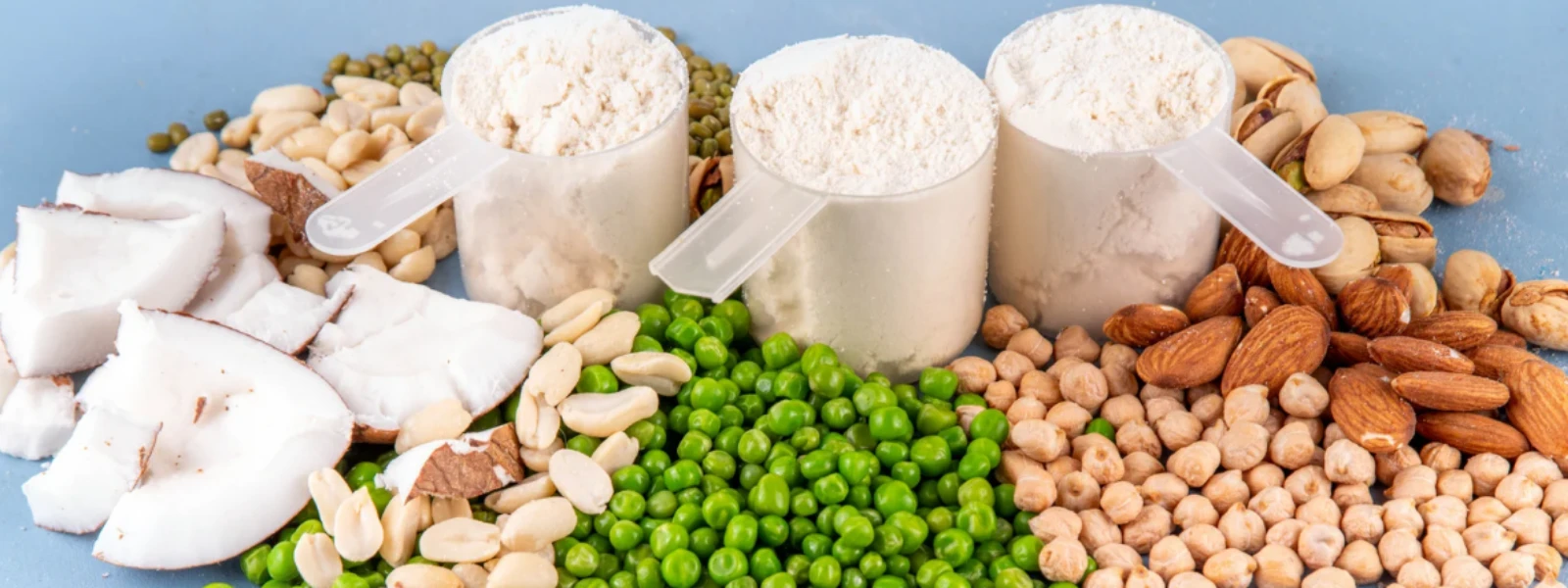


Plant-based eating has surged in popularity, but many vegans struggle with one crucial question: how much protein powder should they consume daily? While whole foods provide excellent nutrition, vegan protein powder can bridge nutritional gaps and support optimal health. Understanding your individual protein needs isn't just about muscle building—it affects everything from cognitive function to sleep quality.
This guide will help you determine your personalized daily protein intake vegan requirements and show you how to optimize your wellness through strategic protein supplementation.
The foundation of determining how much vegan protein powder should I take per day starts with understanding your baseline protein requirements. Research shows that vegans need approximately 0.8 to 1.2 grams of protein per kilogram of body weight daily, though this varies significantly based on individual factors.
Your plant based protein amount needs depend on several key factors:
Body weight forms the baseline calculation. A 70-kilogram individual typically needs 56-84 grams of protein daily, while someone weighing 80 kilograms requires 64-96 grams.
Activity level dramatically influences requirements. Sedentary individuals can maintain health with lower protein intake, while recreational athletes need 1.2-1.6 grams per kilogram. Competitive athletes or those engaged in intense training may require up to 2.0 grams per kilogram of body weight.
Fitness goals also matter significantly. Those focused on muscle building need higher protein intake compared to individuals maintaining current fitness levels or pursuing weight management.
Sedentary vegans can often meet their protein needs through whole foods alone, requiring minimal supplementation. However, incorporating one serving of vegan protein powder can ensure nutritional completeness without overconsumption.
Active individuals typically benefit from 1-2 daily servings of protein powder, strategically timed around workouts for optimal recovery and muscle protein synthesis.
Most vegan protein powder guide recommendations suggest starting with one 25-30 gram serving daily. This typically provides 18-25 grams of protein, depending on the specific product and protein concentration.
For average vegans maintaining a balanced lifestyle, one daily shake often suffices when combined with protein-rich whole foods like legumes, nuts, and seeds. Active individuals may benefit from two servings, particularly on training days.
The key lies in balancing supplementation with best vegan protein sources from whole foods. Protein powder should complement, not replace, a varied plant-based diet rich in quinoa, lentils, chickpeas, and hemp seeds.
Rather than consuming all your protein powder at once, distribute intake throughout the day. This approach optimizes protein synthesis and supports sustained energy levels.
Expert Insight
Research indicates that consuming 20-25 grams of high-quality protein every 3-4 hours maximizes muscle protein synthesis and supports overall health outcomes, making strategic timing as important as total daily intake.
The protein powder for vegans benefits extend far beyond physical fitness. Adequate protein intake supports multiple aspects of wellness that many people overlook.
Cognitive function relies heavily on amino acids found in quality protein sources. These building blocks help produce neurotransmitters that regulate mood, focus, and mental clarity. Studies show that consistent protein intake supports sustained cognitive performance throughout the day.
Stress management improves with adequate protein consumption. Amino acids like tryptophan help produce serotonin, which regulates mood and stress responses. This makes protein supplements for stress a valuable tool for managing daily pressures.
Sleep quality benefits from strategic protein intake. The relationship between vegan protein and sleep involves amino acids that support melatonin production and help regulate circadian rhythms. Consuming protein earlier in the day can promote better sleep patterns.
Beyond these specific benefits, adequate protein intake supports immune function, wound healing, and hormone production. For vegans, protein powder helps ensure these processes receive optimal nutritional support.
Learning how to calculate protein needs vegan style involves a systematic approach that considers your unique circumstances.
Start with the basic calculation: multiply your body weight in kilograms by your activity factor (0.8-2.0). This gives you total daily protein needs in grams.
Next, assess your current whole food protein intake. Track your meals for several days to understand how much protein you're already consuming from regular foods.
Finally, subtract your whole food protein from your total needs. The difference represents how much supplemental protein might benefit you.
Several indicators suggest inadequate protein intake: persistent fatigue, slow recovery from exercise, frequent illness, hair loss, or difficulty maintaining muscle mass. If you experience these symptoms, consider increasing your protein powder consumption gradually.
Not all vegan protein powders offer equal benefits. Understanding the differences helps you make informed choices for your health goals.
Pea protein provides excellent amino acid profiles and digestibility. It's particularly rich in branched-chain amino acids that support muscle recovery and growth.
Hemp protein offers additional omega-3 fatty acids and fiber, supporting heart health and digestion alongside protein needs.
Brown rice protein delivers complete amino acid profiles when properly processed and often combines well with other plant proteins.
Blended plant proteins often provide the most comprehensive nutrition, combining multiple sources to ensure complete amino acid profiles and enhanced absorption.
Look for products that specify protein content per serving, third-party testing for purity, and minimal processing. Avoid products with excessive artificial additives or sweeteners that might compromise digestive health.
While protein powder offers numerous benefits, moderation remains essential. Consuming excessive amounts won't accelerate results and may strain kidney function in susceptible individuals.
Most healthy adults can safely consume up to 2 grams of protein per kilogram of body weight daily. However, individuals with kidney issues should consult healthcare providers before increasing protein intake significantly.
Remember that protein powder supplements a balanced diet rather than replacing whole foods. Maintain variety in your plant-based eating to ensure comprehensive nutrition.
Most people benefit from 1-2 protein shakes daily, with active individuals potentially using up to 3 servings. However, prioritize whole food protein sources and use shakes to supplement, not replace, balanced meals.
Protein powder shouldn't regularly replace complete meals. While occasional meal replacement might be convenient, whole foods provide essential nutrients, fiber, and phytonutrients that protein powder alone cannot supply.
Post-workout consumption within 30-60 minutes optimizes muscle recovery. However, distributing protein intake throughout the day supports sustained energy and protein synthesis more effectively than consuming large amounts at once.
Muscle gain typically requires higher protein intake (1.6-2.0g per kg body weight), while weight loss benefits from moderate increases (1.2-1.6g per kg) to preserve muscle mass during caloric restriction.
Signs of excessive protein include digestive discomfort, dehydration, or kidney strain in susceptible individuals. Most healthy adults can safely consume up to 2g per kg body weight, but balance remains key.
Determining your optimal vegan protein powder intake requires considering your individual needs, activity level, and health goals. Most vegans benefit from 1-2 daily servings, strategically timed to support muscle recovery, cognitive function, and overall wellness. Remember that protein powder complements a varied plant-based diet rather than replacing whole food nutrition. By calculating your specific needs and choosing quality sources, you can optimize your protein intake for sustained energy, better sleep, and enhanced stress management. Consider tracking your intake and adjusting based on how you feel and perform, always prioritizing balance and variety in your nutritional approach.



