7 Essential Vegetable Juice Benefits for Optimal Health
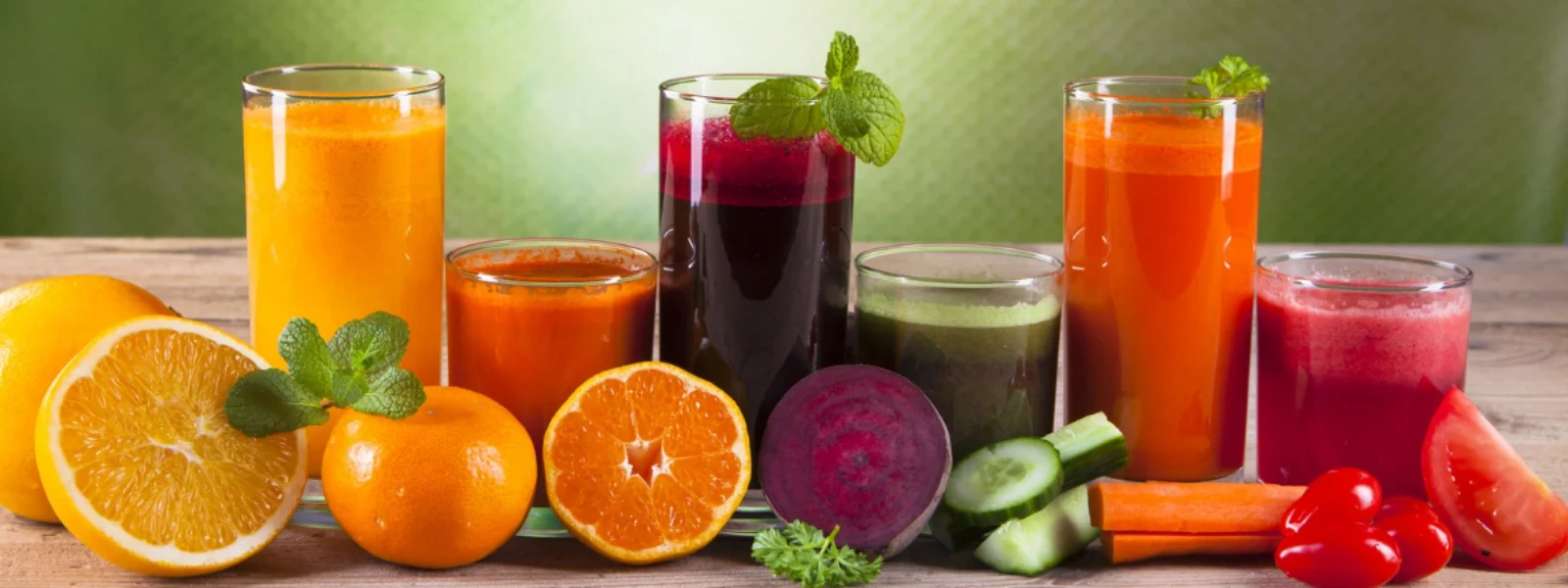


Fresh vegetable juice has become a powerful ally in the pursuit of optimal health. When we extract the liquid essence from vegetables, we create a concentrated source of vitamins, minerals, and antioxidants that our bodies can quickly absorb. This simple practice offers numerous vegetable juice benefits that can transform your wellness journey in remarkable ways.
From boosting metabolism to strengthening immunity, the benefits of drinking vegetable juice extend far beyond basic nutrition. Each glass delivers a potent combination of nutrients that work together to support various bodily functions. Understanding these benefits can help you make informed decisions about incorporating vegetable juices into your daily routine.
Vegetable juicing transforms solid produce into a liquid form that concentrates essential nutrients. This process breaks down cell walls, making vitamins and minerals more readily available for absorption. Unlike whole vegetables, which require significant digestive energy to break down, juiced vegetables deliver nutrients directly to your bloodstream.
The juicing process preserves water-soluble vitamins like Vitamin C and B-complex vitamins, along with minerals such as potassium, magnesium, and iron. However, it removes most of the fiber content, which changes how your body processes these nutrients. This trade-off allows for rapid nutrient absorption while requiring careful consideration of overall dietary balance.
Fresh vegetable juices contain concentrated amounts of carotenoids, flavonoids, and other phytonutrients. These compounds give vegetables their vibrant colors and provide powerful antioxidant properties. The nutritional value of vegetable juice varies depending on the vegetables used, but most combinations deliver significant amounts of Vitamins A, C, and K.
Dark leafy greens like spinach and kale contribute folate and iron, while orange vegetables such as carrots provide beta-carotene. The concentration of these nutrients in juice form means you can consume the equivalent of several servings of vegetables in a single glass.
One of the most sought-after vegetable juice health benefits relates to metabolism and weight management. Fresh vegetable juices are naturally low in calories while being nutrient-dense, making them excellent choices for those seeking sustainable weight loss strategies.
The concentrated nutrients in vegetable juice help support metabolic processes without adding excessive calories to your diet. Many vegetables contain compounds that may help boost metabolic rate, including capsaicin from peppers and catechins from certain greens. These natural compounds work together to support your body's fat-burning capabilities.
Vegetable juice for weight loss works through several mechanisms. The high water content helps promote satiety, while the nutrient density ensures your body receives essential vitamins and minerals during calorie restriction. This combination helps prevent the nutrient deficiencies that often accompany traditional dieting approaches.
The natural sugars in vegetable juice provide quick energy without the dramatic blood sugar spikes associated with processed foods. This steady energy release helps maintain stable hunger levels throughout the day, reducing the likelihood of overeating or choosing unhealthy snacks.
Certain vegetables offer particularly strong vegetable juice metabolism boost properties. Leafy greens like spinach and kale contain compounds that support thyroid function, which directly impacts metabolic rate. Cruciferous vegetables such as broccoli and cabbage provide sulfur compounds that support liver detoxification processes.
Beets contain nitrates that improve blood flow and oxygen delivery to muscles, potentially enhancing exercise performance and recovery. Celery offers natural diuretic properties that help reduce water retention, while cucumber provides hydration and electrolyte balance.
The vegetable juice immune system connection stems from the concentrated antioxidants and vitamins found in fresh vegetable juices. These nutrients work together to support your body's natural defense mechanisms against pathogens and environmental stressors.
Vitamin C, abundant in many vegetable juices, plays a crucial role in immune function by supporting white blood cell production and activity. Beta-carotene, which converts to Vitamin A in the body, helps maintain the integrity of mucous membranes that serve as the first line of defense against infections.
Fresh vegetable juices contain high concentrations of antioxidants that help neutralize free radicals in the body. These unstable molecules can damage cells and contribute to chronic inflammation, which weakens immune function over time. Regular consumption of antioxidant-rich vegetable juices may help reduce this oxidative stress.
The variety of antioxidants in different vegetables provides comprehensive protection. Lycopene from tomatoes, quercetin from onions, and anthocyanins from purple vegetables each offer unique protective benefits. Combining multiple vegetables in juice form maximizes this antioxidant diversity.
Did You Know?
A single glass of mixed vegetable juice can contain the antioxidant equivalent of 3-4 servings of whole vegetables, providing concentrated immune support in an easily absorbed form.
Vegetable juice digestion benefits extend beyond simple nutrient absorption. While juicing removes most fiber, it concentrates other compounds that support digestive health, including enzymes, minerals, and prebiotic compounds that feed beneficial gut bacteria.
The liquid form of vegetable nutrients requires minimal digestive effort, making them accessible even when digestive function is compromised. This can be particularly beneficial during illness recovery or for individuals with certain digestive sensitivities.
Vegetable juice detox properties come from compounds that support the liver's natural detoxification processes. Sulfur-containing vegetables like broccoli and cabbage provide compounds that enhance phase II detoxification, helping the body eliminate toxins more efficiently.
Beets contain betalains, which support liver cell regeneration and bile production. Proper bile flow is essential for fat digestion and the elimination of fat-soluble toxins. Regular consumption of beet juice may help maintain optimal liver function.
While vegetable juice lacks the fiber needed for optimal gut health, it provides nutrients that support the intestinal lining and beneficial bacteria. Glutamine from cabbage juice helps maintain intestinal barrier function, while the natural sugars in vegetable juice can serve as fuel for beneficial bacteria.
Combining vegetable juice consumption with whole vegetable intake ensures you receive both the concentrated nutrients from juice and the fiber necessary for optimal digestive health. This balanced approach maximizes the benefits of drinking vegetable juice while supporting overall gut function.
The beauty benefits of vegetable juice stem from the concentrated nutrients that support cellular regeneration and collagen production. Vitamin C, abundant in many vegetable juices, is essential for collagen synthesis, which maintains skin elasticity and reduces signs of aging.
Beta-carotene and other carotenoids provide natural protection against UV damage while supporting skin cell turnover. These compounds accumulate in the skin over time, providing ongoing protection against environmental stressors that contribute to premature aging.
The nutrients in vegetable juice support hair health through multiple pathways. Iron from leafy greens helps prevent hair loss associated with deficiency, while biotin from vegetables like sweet potatoes supports hair strength and growth. Silica from cucumber and celery contributes to hair shine and resilience.
The improved circulation that results from the nitrates in beet juice may enhance nutrient delivery to hair follicles, supporting healthy growth patterns. Regular consumption of nutrient-dense vegetable juices provides the building blocks necessary for strong, healthy hair.
Vegetable juice provides natural energy enhancement without the crashes associated with caffeine or processed sugars. The natural sugars in vegetables are balanced with minerals and vitamins that support steady energy production at the cellular level.
B-vitamins present in many vegetables play crucial roles in energy metabolism, helping convert nutrients into usable energy. The rapid absorption of these nutrients from juice form means you can experience energy benefits relatively quickly after consumption.
For those seeking to reduce caffeine dependence, vegetable juice offers sustained energy without stimulant side effects. The natural sugars provide immediate energy, while the mineral content supports ongoing energy production throughout the day.
Timing vegetable juice consumption around physical activity can enhance performance and recovery. The easily absorbed nutrients provide fuel for muscles while supporting the body's natural recovery processes.
While exploring why drink vegetable juice, it's important to understand proper consumption practices. Most health experts recommend limiting vegetable juice to 8-16 ounces per day, ensuring it complements rather than replaces whole vegetable consumption.
The concentration of nutrients in vegetable juice means it's possible to consume too much of certain vitamins or minerals. Rotating different vegetable combinations helps prevent imbalances while maximizing nutritional diversity.
Vegetable juice should supplement, not replace, a balanced diet rich in whole foods. The fiber removed during juicing plays important roles in digestive health, blood sugar regulation, and satiety. Maintaining adequate fiber intake from other sources is essential for optimal health.
Individuals with certain health conditions, particularly diabetes or kidney disease, should consult healthcare providers before significantly increasing vegetable juice consumption. The concentrated nature of juice can affect blood sugar levels and mineral balance in sensitive individuals.
Yes, drinking vegetable juice daily can be beneficial for most people when consumed as part of a balanced diet. Aim for 8-16 ounces per day and ensure you're also eating whole vegetables for fiber. Rotate different vegetable combinations to maximize nutritional diversity and prevent imbalances.
No single vegetable juice is "most" beneficial, as different vegetables provide unique nutrients. Green juices made from leafy vegetables offer high concentrations of vitamins and minerals, while mixed vegetable juices provide broader nutritional coverage. The best choice depends on your individual nutritional needs and health goals.
Pure vegetable juice without added sugars or preservatives can be very healthy when consumed in moderation. However, it lacks the fiber found in whole vegetables and concentrates natural sugars, which can affect blood sugar levels. It's healthiest when used to supplement, not replace, whole vegetable consumption.
The optimal timing depends on your goals. Morning consumption can provide energy and nutrients to start the day, while pre-workout timing may enhance performance. Avoid drinking large amounts with meals, as this can dilute digestive enzymes. Listen to your body and adjust timing based on how you feel.
Vegetable juice can support weight loss efforts by providing nutrients with relatively few calories, promoting satiety, and supporting metabolic function. However, it's not a magic solution and works best when combined with a balanced diet and regular physical activity. The key is using it as part of an overall healthy lifestyle approach.
The seven essential vegetable juice benefits outlined here demonstrate the powerful impact that concentrated plant nutrition can have on your health. From supporting metabolism and immune function to enhancing beauty and energy levels, vegetable juice offers a simple yet effective way to boost your nutrient intake and support optimal wellness.
Remember that vegetable juice works best as part of a comprehensive approach to health that includes whole foods, regular physical activity, and adequate rest. By incorporating fresh vegetable juices into your routine while maintaining a balanced diet, you can harness these remarkable benefits to transform your health naturally. Consider starting with simple combinations and gradually exploring different vegetables to find the flavors and benefits that work best for your lifestyle and wellness goals.



