7 Steps to Lower Cholesterol with Prebiotic Fiber
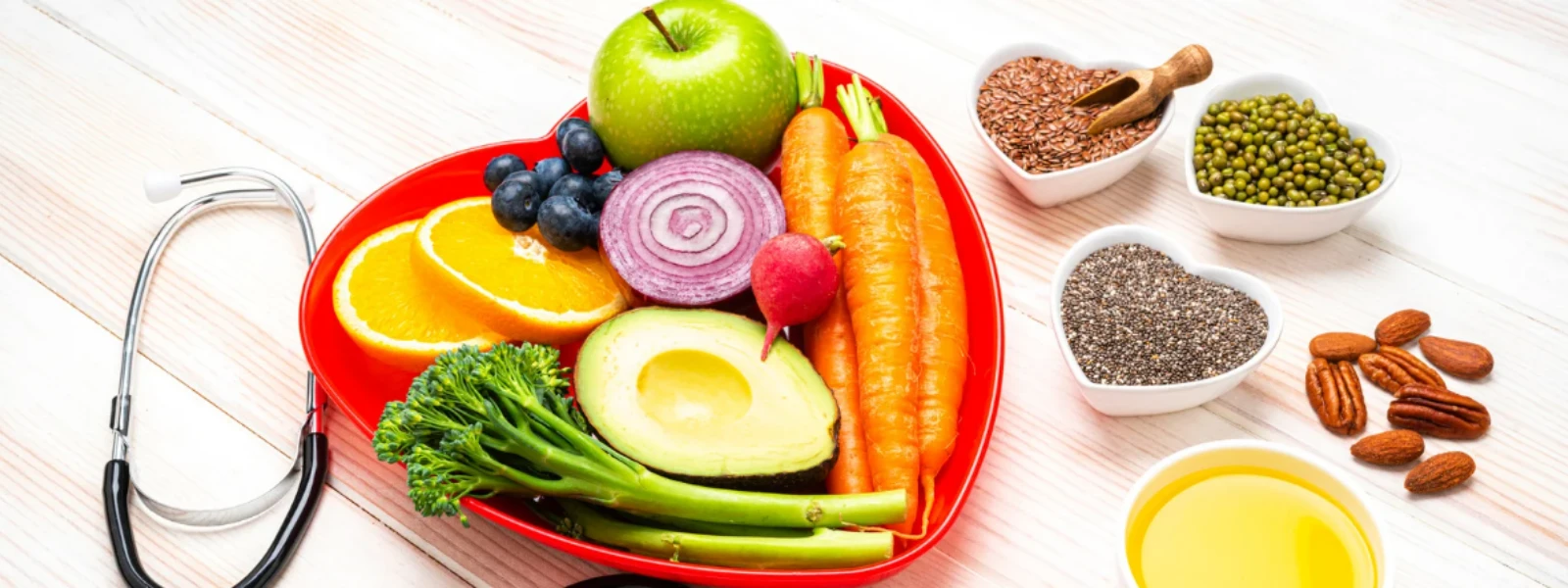


High cholesterol affects millions of people worldwide, yet many don't realize that the solution might already exist in their gut. Recent research reveals that prebiotic fiber benefits extend far beyond digestive health, playing a crucial role in cholesterol reduction. This comprehensive guide explores seven evidence-based steps that harness the power of prebiotic fiber to naturally lower cholesterol levels and support heart health.
Understanding the connection between gut health and cholesterol opens new pathways for managing cardiovascular wellness. You'll discover which types of prebiotic fiber work best, identify foods high in prebiotic fiber, and learn practical strategies to lower LDL cholesterol naturally through targeted dietary choices.
The relationship between fiber and cholesterol operates through sophisticated biological mechanisms that researchers have only recently begun to understand. When prebiotic fiber reaches your large intestine, beneficial bacteria ferment it into short-chain fatty acids, particularly propionate and butyrate. These compounds directly influence cholesterol synthesis in your liver.
Clinical studies demonstrate that prebiotic fiber benefits include significant reductions in total cholesterol and LDL cholesterol. A landmark 2018 study published in the American Journal of Clinical Nutrition found that participants consuming 10 grams of inulin daily experienced a 7.9% reduction in LDL cholesterol within eight weeks.
The mechanism works through multiple pathways. First, soluble prebiotic fiber binds to bile acids in your digestive tract. Your liver must then use cholesterol to produce new bile acids, effectively removing cholesterol from your bloodstream. Second, the fermentation process produces compounds that inhibit cholesterol synthesis directly in liver cells.
Unlike regular fiber, prebiotic fiber specifically feeds beneficial bacteria strains that produce cholesterol-lowering metabolites. This targeted approach makes prebiotic fiber particularly effective for cholesterol reduction compared to general fiber intake.
Not all prebiotic fibers offer equal cholesterol reduction benefits. Understanding the specific types of prebiotic fiber and their unique mechanisms helps you make informed choices for optimal heart health.
Inulin stands as the most researched prebiotic fiber for cholesterol management. Found naturally in chicory root, Jerusalem artichokes, and garlic, inulin consistently demonstrates LDL cholesterol reductions of 5-15% in clinical trials. Its long-chain structure allows for sustained fermentation, providing prolonged cholesterol-lowering effects.
Oligofructose, a shorter-chain prebiotic fiber, enhances bile acid production more rapidly than inulin. This makes it particularly effective when combined with other prebiotic fibers in a synergistic approach to lower LDL cholesterol naturally.
Resistant starch, technically a prebiotic fiber, supports the growth of Bifidobacterium strains that produce significant amounts of cholesterol-lowering short-chain fatty acids. Green bananas, cooked and cooled potatoes, and legumes provide excellent sources of resistant starch.
Psyllium husk, while not technically prebiotic, offers powerful cholesterol-lowering properties through its gel-forming soluble fiber content. FDA-approved health claims support psyllium's ability to reduce heart disease risk when consumed as part of a low-fat diet.
Strategic selection of foods high in prebiotic fiber transforms your daily meals into powerful tools for cholesterol reduction. Understanding which foods provide the highest prebiotic content helps you maximize benefits while enjoying diverse, flavorful meals.
Tier 1 sources deliver the highest prebiotic fiber concentrations. Jerusalem artichokes contain up to 20% inulin by weight, making them exceptional for cholesterol management. Raw garlic provides 17% inulin content, while onions and leeks offer 8-12% prebiotic fiber. These foods should form the foundation of your cholesterol-lowering strategy.
Tier 2 sources include asparagus, which contains 2-3 grams of inulin per serving, and under-ripe bananas, rich in resistant starch. Oats provide beta-glucan, a soluble fiber with proven cholesterol-lowering properties. Apples contribute pectin, which binds cholesterol in the digestive tract.
Tier 3 sources complement your prebiotic intake while providing additional nutrients. Flaxseeds and chia seeds offer both prebiotic fiber and omega-3 fatty acids, creating synergistic effects for heart health. Beans and lentils provide resistant starch along with plant-based protein.
Did You Know?
Consuming just one medium Jerusalem artichoke provides approximately 2-3 grams of inulin, which can contribute to a 3-5% reduction in LDL cholesterol when consumed regularly as part of a balanced diet.
Practical meal planning involves incorporating multiple prebiotic sources throughout your day. Start with garlic and onions as cooking bases, add asparagus or artichokes as vegetables, and include oats or under-ripe bananas for breakfast. This approach ensures consistent prebiotic fiber intake for sustained cholesterol reduction.
Achieving healthy cholesterol levels through prebiotic fiber requires strategic timing and gradual dosage increases. Understanding how metabolism and fiber interact helps you maximize benefits while minimizing digestive discomfort.
Begin with 5-10 grams of prebiotic fiber daily, gradually increasing by 2-3 grams weekly until reaching 25-30 grams total daily fiber intake. This gradual approach allows your gut microbiome to adapt while preventing bloating, gas, or digestive upset that can occur with sudden fiber increases.
Timing plays a crucial role in optimizing prebiotic fiber's cholesterol-lowering effects. Consuming prebiotic-rich foods with meals helps slow digestion, allowing more time for fiber to bind cholesterol and bile acids. Morning consumption of oats or under-ripe bananas provides sustained benefits throughout the day.
Hydration becomes critical when increasing prebiotic fiber intake. Each additional gram of fiber requires approximately 1-2 ounces of extra water to function properly. Inadequate hydration can lead to constipation and reduce fiber's effectiveness for cholesterol reduction.
Most people notice initial improvements in energy and digestion within 2-3 weeks, while measurable cholesterol reductions typically appear after 4-8 weeks of consistent intake. This timeline reflects the gradual nature of microbiome changes and cholesterol metabolism adjustments.
Combining prebiotic fiber with complementary lifestyle modifications amplifies its cholesterol-lowering potential. Understanding how prebiotics for weight loss and overall metabolism and fiber interact creates comprehensive strategies for cardiovascular health.
Moderate exercise enhances prebiotic fiber's effectiveness by improving circulation and supporting healthy gut bacteria diversity. A 30-minute daily walk increases the production of cholesterol-lowering short-chain fatty acids from prebiotic fiber fermentation.
Stress management directly impacts cholesterol metabolism and gut health. Chronic stress elevates cortisol levels, which can increase cholesterol production and reduce beneficial bacteria populations. Meditation, deep breathing, or yoga practices support both stress reduction and optimal prebiotic fiber utilization.
Quality sleep plays a vital role in cholesterol regulation and gut health. Poor sleep disrupts the circadian rhythms that govern cholesterol synthesis, while also negatively affecting gut bacteria balance. Aim for 7-9 hours of consistent, quality sleep to maximize prebiotic fiber's cholesterol-lowering benefits.
Avoiding foods that counteract prebiotic benefits becomes equally important. Highly processed foods, artificial sweeteners, and excessive sugar can disrupt gut bacteria balance and reduce prebiotic fiber effectiveness. Focus on whole, minimally processed foods to support your cholesterol-lowering goals.
Tracking your journey toward healthy cholesterol levels through prebiotic fiber requires systematic monitoring and thoughtful adjustments. Understanding what to measure and when helps optimize your approach for maximum cholesterol reduction.
Establish baseline measurements before beginning your prebiotic fiber regimen. Obtain a complete lipid panel including total cholesterol, LDL cholesterol, HDL cholesterol, and triglycerides. This provides clear benchmarks for measuring improvement.
Keep a detailed food diary tracking prebiotic fiber intake, meal timing, and any digestive symptoms. Note energy levels, sleep quality, and overall well-being, as these indicators often improve before cholesterol changes become measurable.
Retest cholesterol levels after 8-12 weeks of consistent prebiotic fiber intake. This timeframe allows sufficient opportunity for gut microbiome changes to influence cholesterol metabolism. Earlier testing may not reflect the full benefits of your dietary modifications.
Signs of improving gut health include more regular bowel movements, reduced bloating, increased energy, and better sleep quality. These improvements often precede measurable cholesterol reductions and indicate your prebiotic fiber strategy is working effectively.
Individual responses vary based on genetics, existing gut bacteria composition, and overall diet quality. Some people may need to adjust fiber types or increase dosages to achieve optimal cholesterol reduction. Work with healthcare providers to fine-tune your approach based on your specific response patterns.
Maximizing your ability to lower LDL cholesterol naturally involves strategically combining prebiotic fiber with other evidence-based approaches. Understanding how gut health and cholesterol interact with additional interventions creates powerful synergistic effects.
Omega-3 fatty acids from fish, flaxseeds, or chia seeds complement prebiotic fiber's cholesterol-lowering mechanisms. While prebiotic fiber reduces cholesterol production and absorption, omega-3s improve the ratio of HDL to LDL cholesterol and reduce inflammation that contributes to cardiovascular disease.
Plant sterols and stanols, found naturally in nuts, seeds, and vegetable oils, block cholesterol absorption in the intestines. When combined with prebiotic fiber's bile acid binding properties, this dual approach can reduce LDL cholesterol by 15-20% or more.
Antioxidant-rich foods like berries, dark leafy greens, and colorful vegetables support prebiotic fiber's effects by reducing oxidative stress that can interfere with cholesterol metabolism. These foods also provide additional prebiotic compounds that feed beneficial gut bacteria.
Meal timing strategies enhance prebiotic fiber effectiveness. Consuming prebiotic-rich foods before meals high in cholesterol or saturated fat helps bind these compounds before absorption. This approach maximizes the cholesterol-lowering potential of your dietary choices.
Sustaining prebiotic fiber benefits for ongoing cholesterol reduction requires building habits that fit seamlessly into your lifestyle. Understanding how to maintain consistency while adapting to changing circumstances ensures long-term cardiovascular health success.
Develop a diverse portfolio of prebiotic fiber sources to prevent monotony and ensure comprehensive gut bacteria support. Rotate between different vegetables, fruits, and whole grains to provide various prebiotic compounds that feed different beneficial bacteria strains.
Seasonal food rotation keeps your prebiotic intake interesting while taking advantage of peak nutrient content in fresh, local produce. Spring asparagus, summer berries, fall apples, and winter root vegetables each contribute unique prebiotic compounds to support metabolism and fiber interactions.
Plan for travel and dining out by researching restaurant options that offer prebiotic-rich foods. Many cuisines naturally include garlic, onions, and other prebiotic sources. Carrying portable options like nuts or seeds ensures you maintain fiber intake during busy periods.
Consider high-quality prebiotic fiber supplements when whole food sources aren't available or practical. Look for products containing multiple prebiotic types without artificial additives. However, prioritize whole foods as your primary source for maximum nutritional benefits.
Create accountability systems through meal planning, shopping lists, and progress tracking. Share your goals with family members or friends who can support your commitment to heart-healthy eating patterns that emphasize prebiotic fiber intake.
Yes, prebiotic fiber offers superior cholesterol-lowering benefits compared to regular fiber. While all soluble fiber can bind cholesterol and bile acids, prebiotic fiber specifically feeds beneficial bacteria that produce short-chain fatty acids, which directly inhibit cholesterol synthesis in the liver. Studies show prebiotic fiber can reduce LDL cholesterol by 5-15%, compared to 3-8% for regular soluble fiber.
Research suggests 10-15 grams of prebiotic fiber daily provides optimal cholesterol-lowering benefits. Start with 5 grams daily and gradually increase by 2-3 grams weekly to reach this target. This amount, combined with 25-30 grams of total daily fiber, maximizes cholesterol reduction while minimizing digestive discomfort.
While prebiotic fiber supplements can be helpful, whole food sources provide superior benefits for cholesterol management. Foods high in prebiotic fiber also contain additional nutrients, antioxidants, and fiber types that work synergistically. Use supplements to complement, not replace, a diet rich in prebiotic foods like garlic, onions, asparagus, and oats.
Most people begin experiencing digestive improvements within 2-3 weeks of consistent prebiotic fiber intake. Measurable cholesterol reductions typically appear after 6-8 weeks, with maximum benefits often achieved after 12-16 weeks. Individual responses vary based on baseline cholesterol levels, gut bacteria composition, and overall diet quality.
Initial side effects may include mild bloating, gas, or changes in bowel movements as your gut bacteria adjust to increased prebiotic fiber. These symptoms typically resolve within 1-2 weeks. Start slowly, increase water intake, and gradually build up to your target dose to minimize discomfort. Consult healthcare providers if symptoms persist or worsen.
Prebiotic fiber offers a scientifically-backed, natural approach to cholesterol reduction that works through multiple biological pathways. By following these seven evidence-based steps, you can harness the power of beneficial gut bacteria to lower LDL cholesterol while supporting overall cardiovascular health. The key lies in choosing the right types of prebiotic fiber, incorporating diverse food sources, and maintaining consistent intake over time. Remember that sustainable changes in cholesterol levels require patience and persistence, but the long-term benefits for heart health make this investment worthwhile. Consider exploring comprehensive nutritional support options that complement your prebiotic fiber strategy for optimal wellness outcomes.



