7 Surprising Benefits of Mulethi (Licorice Root) for Health
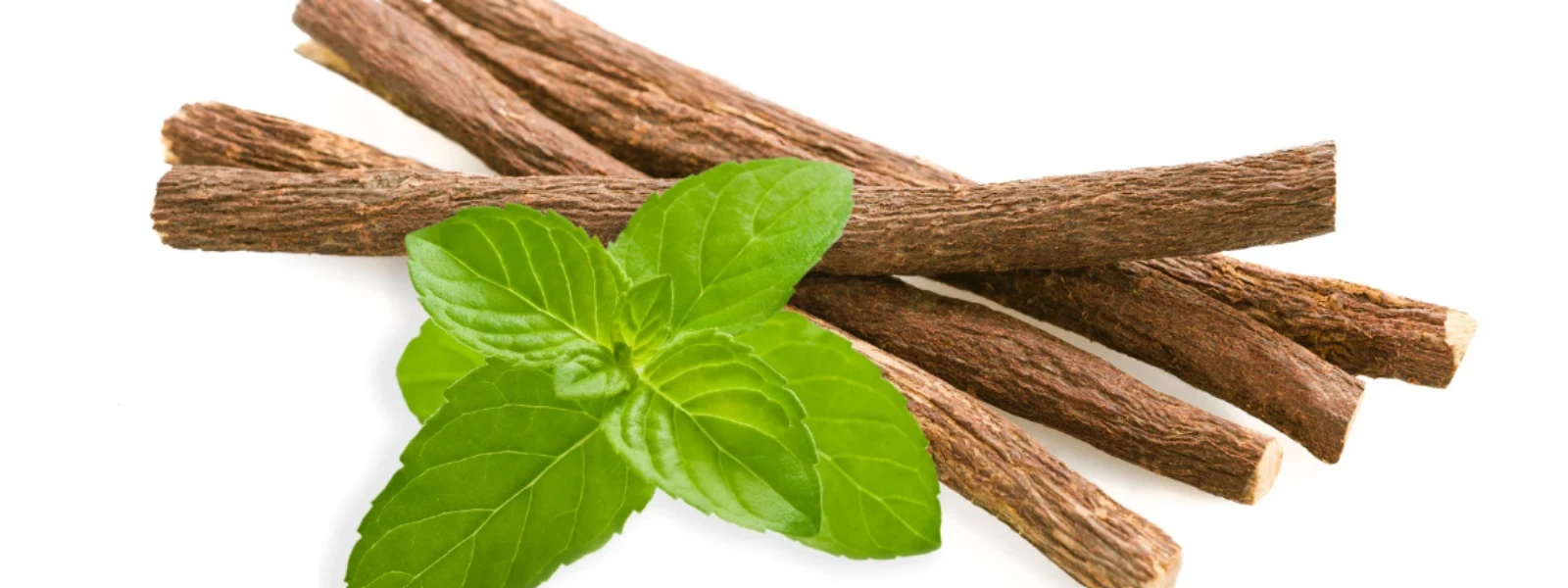


Mulethi, known scientifically as Glycyrrhiza glabra, has been treasured in traditional medicine systems for over 4,000 years. This sweet-tasting root, commonly called licorice root, holds a special place in Ayurvedic practices and continues to surprise modern researchers with its remarkable health benefits. From supporting digestive wellness to promoting radiant skin, this ancient herb offers a natural approach to holistic health that's backed by both traditional wisdom and contemporary science.
Understanding what is mulethi and its potential benefits can help you make informed decisions about incorporating this powerful botanical into your wellness routine. Let's explore seven surprising ways this humble root can support your health journey.
Mulethi grows naturally across Europe, Asia, and parts of the Mediterranean. The plant belongs to the legume family and produces long, fibrous roots that contain the herb's most beneficial compounds. In Sanskrit, it's called "Yashtimadhu," meaning "sweet stick," reflecting its naturally sweet taste that's about 50 times sweeter than sugar.
Traditional healers have used this root for centuries to address various health concerns, from digestive issues to respiratory problems. Ancient Egyptian pharaohs valued it so highly that King Tutankhamun was buried with bundles of licorice root for his journey to the afterlife.
The primary active compound in mulethi is glycyrrhizin, which gives the root its characteristic sweet taste and many of its therapeutic properties. This root also contains flavonoids, saponins, and various minerals that contribute to its health-promoting effects. These natural compounds work synergistically to provide the wide range of benefits that make licorice root supplements increasingly popular among health-conscious individuals.
Mulethi excels at supporting digestive wellness through multiple mechanisms. The herb forms a protective coating along the digestive tract, helping to soothe irritated tissues and promote healing. This protective action makes it particularly beneficial for those dealing with occasional digestive discomfort.
Research suggests that compounds in licorice root may help maintain the delicate balance of beneficial bacteria in your gut microbiome. A healthy gut environment is crucial for optimal digestion, nutrient absorption, and overall immune function. The herb's natural properties also help promote regular bowel movements, making it a gentle option for those seeking digestive support.
The anti-inflammatory properties of mulethi extend to the entire digestive system, potentially helping to reduce inflammation in the stomach lining and intestinal tract. This makes it a valuable addition to any digestive wellness routine.
One of the most well-documented licorice root benefits involves respiratory health. The herb acts as a natural expectorant, helping to thin mucus and make it easier to clear from the respiratory tract. This property has made licorice root tea a popular home remedy for seasonal respiratory challenges.
The anti-inflammatory compounds in mulethi may help soothe irritated throat tissues and reduce coughing. Many people find that drinking warm licorice root tea provides gentle relief for throat discomfort and supports overall respiratory comfort.
Traditional practitioners have long recommended mulethi for maintaining healthy lung function. The herb's natural properties may help support the body's ability to clear respiratory passages and maintain comfortable breathing.
Emerging research suggests interesting connections between licorice root metabolism benefits and weight management. Some studies indicate that certain compounds in mulethi may influence how the body processes fats and sugars, potentially supporting healthy metabolic function.
The relationship between licorice root weight loss and metabolism appears to involve the herb's impact on cortisol levels. Chronic stress and elevated cortisol can interfere with healthy weight management, and mulethi's stress-supporting properties may indirectly benefit metabolic health.
Did You Know?
Glycyrrhizin, the main active compound in mulethi, can be up to 50 times sweeter than sugar, yet it may actually support healthy blood sugar metabolism when used appropriately as part of a balanced lifestyle.
However, it's important to note that sustainable weight management requires a comprehensive approach including proper nutrition, regular physical activity, and healthy lifestyle habits. Mulethi should be viewed as a supportive element rather than a standalone solution.
Mulethi has gained recognition in the beauty world for its skin-supporting properties. The herb contains compounds that may help reduce the appearance of dark spots and promote a more even skin tone. Many traditional skincare formulations include licorice root extract for its gentle yet effective properties.
The anti-inflammatory nature of mulethi makes it suitable for sensitive skin types. It may help calm irritated skin and reduce redness, contributing to a healthier-looking complexion. Some people use licorice root powder in homemade face masks, though it's always wise to patch test any new topical ingredient.
The antioxidant properties of mulethi may also help protect skin cells from environmental stressors. Regular use of products containing licorice root extract could contribute to maintaining youthful-looking skin over time.
Mulethi demonstrates adaptogenic properties, meaning it may help the body better manage stress responses. This herb appears to influence cortisol levels, potentially helping to promote a more balanced stress response. Chronic stress can impact various aspects of health, from sleep quality to immune function.
Some research suggests that mulethi may support healthy hormone balance, particularly in women. However, individuals with hormone-sensitive conditions should consult healthcare providers before using licorice root supplements, as the herb can have significant effects on hormonal systems.
The stress-supporting properties of mulethi may indirectly benefit mood and energy levels. Many people report feeling more balanced and centered when incorporating this herb into their wellness routines, though individual responses can vary significantly.
The immune-supporting properties of mulethi stem from its rich content of beneficial compounds. The herb contains antioxidants that help protect cells from oxidative stress, which can impact immune function. Regular consumption of licorice root tea or supplements may contribute to overall immune wellness.
Mulethi's anti-inflammatory properties extend beyond the digestive and respiratory systems to support overall immune balance. A well-functioning immune system is crucial for maintaining health and vitality throughout the year.
The herb's traditional use for supporting recovery from illness reflects its potential to assist the body's natural healing processes. While it shouldn't replace conventional medical care, mulethi can be a valuable addition to a comprehensive wellness strategy.
Traditional medicine systems have long valued mulethi for its liver-supporting properties. The herb may help support the liver's natural detoxification processes, which are essential for maintaining overall health. A healthy liver is crucial for processing nutrients, filtering toxins, and producing important proteins.
Some studies suggest that compounds in licorice root may help protect liver cells from damage and support healthy liver function. However, it's worth noting that excessive consumption of licorice root can potentially stress the liver, emphasizing the importance of appropriate dosing.
The liver-supporting benefits of mulethi work best when combined with other healthy lifestyle practices, including adequate hydration, balanced nutrition, and limiting exposure to environmental toxins.
Mulethi is available in various forms, each with its own advantages. Licorice root tea offers a gentle way to enjoy the herb's benefits while staying hydrated. Simply steep dried root pieces or tea bags in hot water for 5-10 minutes to create a naturally sweet, caffeine-free beverage.
Licorice root powder can be mixed into smoothies, warm milk, or water. Start with small amounts (about 1/4 teaspoon) to assess your body's response. Licorice root extract and standardized supplements provide more concentrated doses and should be used according to manufacturer guidelines.
Traditional recommendations suggest consuming mulethi in moderation, typically not exceeding 2-3 grams of dried root per day. However, individual needs and tolerances can vary significantly, making it wise to start with smaller amounts.
While mulethi offers numerous benefits, it's important to understand potential licorice root side effects. Excessive consumption can lead to elevated blood pressure, fluid retention, and electrolyte imbalances. These effects are primarily due to glycyrrhizin content, which can mimic certain hormonal activities in the body.
Pregnant and breastfeeding women should avoid licorice root supplements due to potential hormonal effects. Individuals with high blood pressure, heart conditions, kidney problems, or those taking certain medications should consult healthcare providers before using mulethi.
Some people may experience headaches, fatigue, or digestive upset when first introducing licorice root. These symptoms typically resolve as the body adjusts, but persistent discomfort warrants discontinuation and professional consultation.
The versatility of mulethi makes it easy to incorporate into daily routines. Morning licorice root tea can provide a gentle start to the day, while evening consumption may support relaxation and stress management. Some people prefer taking standardized supplements for consistent dosing and convenience.
Consider cycling your mulethi usage, taking breaks every few weeks to prevent potential side effects from long-term consumption. This approach allows you to enjoy the benefits while minimizing risks associated with prolonged use.
Quality matters when selecting licorice root products. Look for reputable suppliers who test for purity and potency. Organic options may provide additional assurance regarding pesticide exposure and environmental contaminants.
Mulethi is known by various names across India. In Hindi, it's called "mulethi" or "jethimadh." Tamil speakers refer to it as "athimaduram," while in Telugu, it's known as "atimadhuram." Bengali speakers call it "jashtimadhu," and in Gujarati, it's "jethimadh." These regional names all refer to the same beneficial root, Glycyrrhiza glabra.
Yes, mulethi root can be chewed directly in small pieces, which is a traditional method of consumption. However, the raw root has an intense sweet taste and potent effects, so moderation is essential. Many people prefer processed forms like tea, powder, or extracts for easier dosing and consumption. Always ensure the root is clean and from a reputable source if consuming it directly.
The timeline for experiencing benefits varies depending on individual factors and the specific health concern being addressed. Some people notice digestive comfort improvements within a few days, while skin-related benefits may take several weeks of consistent use. Stress-supporting effects might be felt within the first week, but optimal benefits typically develop over 4-6 weeks of regular, appropriate consumption.
Yes, there's a significant difference. Most commercial black licorice candy contains artificial flavoring rather than real licorice root extract. Even when real licorice is used, candy typically contains high amounts of sugar and other additives that dilute the beneficial compounds. Medicinal mulethi products are specifically processed to preserve and concentrate the herb's active compounds for therapeutic purposes.
Mulethi can potentially interact with several medications, including blood pressure medications, diuretics, blood thinners, and certain heart medications. The herb's effects on potassium levels and blood pressure can amplify or interfere with these drugs. Additionally, mulethi may affect how the liver processes certain medications. Always consult with a healthcare provider before combining mulethi with any prescription medications.
Mulethi stands as a testament to the wisdom of traditional medicine, offering a natural approach to supporting various aspects of health. From digestive wellness to skin radiance, this remarkable root provides multiple benefits that align with modern wellness goals. Understanding what is mulethi and its proper usage empowers you to make informed decisions about incorporating this ancient remedy into your contemporary lifestyle.
While the benefits of mulethi are impressive, remember that optimal health comes from a holistic approach that includes balanced nutrition, regular exercise, adequate sleep, and stress management. Consider mulethi as one valuable component of your overall wellness strategy rather than a standalone solution. As with any herbal supplement, quality sourcing and appropriate usage are key to experiencing the full potential of this remarkable root while maintaining safety and effectiveness.



