Checklist: 7 Essential Steps for Whey Protein on Empty Stomach



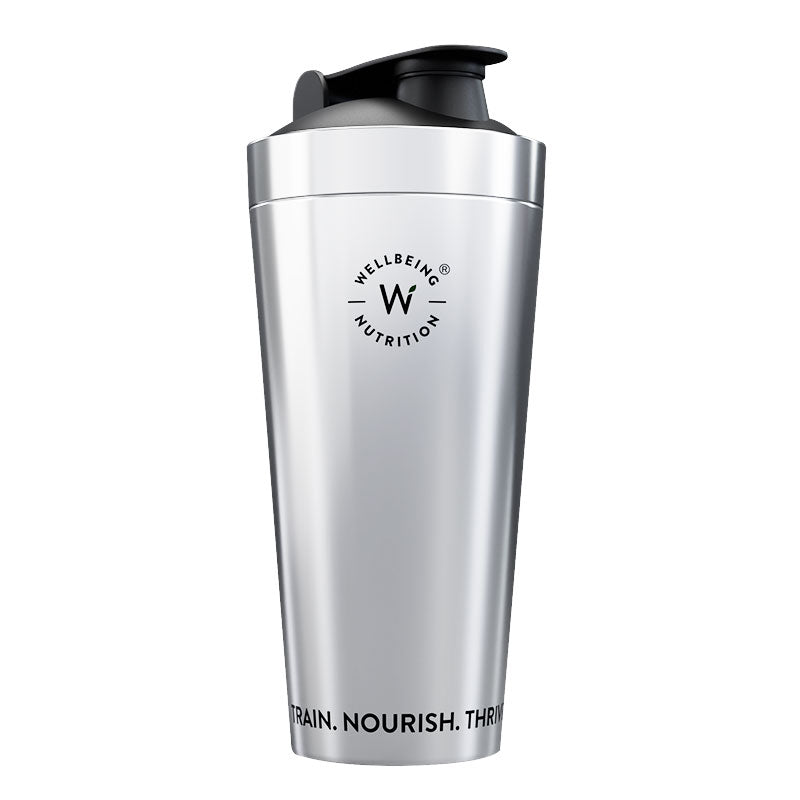



Taking whey protein on empty stomach has become a popular strategy among fitness enthusiasts and health-conscious individuals. This approach can maximize protein absorption, support muscle building, and potentially enhance weight management goals. Understanding the science behind this practice and following proper protocols ensures you get the most from your protein supplementation while avoiding potential digestive discomfort.
The timing of protein consumption plays a crucial role in how effectively your body utilizes this essential macronutrient. When consumed on an empty stomach, whey protein bypasses competition from other nutrients, allowing for faster absorption and more efficient delivery to your muscles. This guide provides seven essential steps to help you safely and effectively incorporate whey protein into your fasting or pre-workout routine.
Whey protein digestion begins the moment it enters your stomach. Unlike other protein sources that require extensive breakdown, whey protein contains already partially hydrolyzed proteins that your digestive system can process quickly. This rapid digestion is particularly beneficial when consumed on an empty stomach, as there are no competing nutrients to slow down the absorption process.
The whey protein metabolism pathway involves several key stages. First, stomach acid activates pepsin, which begins breaking down protein chains into smaller peptides. These peptides then travel to the small intestine, where pancreatic enzymes further break them down into individual amino acids. The empty stomach environment allows this process to occur more efficiently, with peak amino acid concentrations in the blood typically occurring within 60-90 minutes of consumption.
Whey protein absorption rates vary based on several factors, including the form of whey protein, individual digestive health, and the presence of other nutrients. Whey protein isolate, which contains minimal lactose and fat, typically absorbs faster than whey protein concentrate. When consumed on an empty stomach, absorption rates can increase by up to 25% compared to consumption with meals.
The amino acid profile of whey protein makes it particularly effective for muscle protein synthesis. It contains all nine essential amino acids in optimal ratios, with especially high concentrations of leucine, isoleucine, and valine - the branched-chain amino acids (BCAAs) that directly stimulate muscle building processes.
Did You Know?
Research shows that consuming whey protein on an empty stomach can increase leucine availability in the bloodstream by up to 30% compared to consuming it with other foods. Leucine acts as a molecular trigger for muscle protein synthesis, making this timing strategy particularly beneficial for muscle building goals.
The optimal timing for whey protein before workout consumption depends on your specific goals and schedule. For morning workouts, consuming whey protein 30-45 minutes before exercise provides adequate time for digestion while ensuring amino acids are available during your training session. If you practice intermittent fasting, taking whey protein during your eating window can help preserve muscle mass while maintaining your fasting benefits.
Morning consumption offers unique advantages for whey protein metabolism. After an overnight fast, your body is in a catabolic state, where muscle protein breakdown exceeds synthesis. Introducing high-quality protein early in the day can quickly shift this balance toward muscle preservation and growth.
Determining the right amount of whey protein depends on your body weight, activity level, and overall protein goals. A general recommendation is 0.8-1.2 grams of protein per kilogram of body weight for active individuals. For whey protein specifically, a single serving of 20-30 grams typically provides optimal amino acid stimulation without overwhelming your digestive system.
When consuming whey protein for weight loss purposes, slightly smaller servings of 15-25 grams may be more appropriate, as they provide satiety benefits without excessive calories. The protein's appetite suppression effects can help control hunger throughout the day while supporting lean muscle maintenance during caloric restriction.
Before consuming whey protein on empty stomach, ensure you are adequately hydrated. Drinking 8-12 ounces of water 15-20 minutes before your protein shake helps prepare your digestive system and supports optimal protein dissolution. Proper hydration also enhances the transport of amino acids to muscle tissues.
If you have a sensitive stomach, start with smaller doses to assess your tolerance. Some individuals may experience mild digestive discomfort when first introducing whey protein on an empty stomach, but this typically resolves as the digestive system adapts.
The method of preparation can significantly impact whey protein digestion and absorption. Mix your protein powder with cold water rather than milk or other liquids to maintain the empty stomach benefits. Use a shaker bottle or blender to ensure complete dissolution, as poorly mixed protein can cause digestive issues.
Consume your whey protein shake within 5-10 minutes of mixing to prevent degradation of sensitive amino acids. Avoid adding high-fat ingredients like nut butters or oils, as these can slow digestion and reduce the rapid absorption benefits you're seeking.
Pay attention to how your body responds to whey protein consumption on an empty stomach. Positive indicators include sustained energy levels, reduced hunger, and improved workout performance. Some people may experience enhanced mental clarity and focus due to stable amino acid availability.
Track any digestive symptoms, energy changes, or performance improvements over the first 2-3 weeks of implementation. This monitoring period allows you to optimize timing, dosage, and preparation methods based on your individual response.
If using whey protein before workout sessions, time your consumption to align with your training intensity and duration. For high-intensity workouts lasting 60-90 minutes, consuming protein 30-45 minutes beforehand provides optimal amino acid availability during and after exercise.
The whey protein energy benefits become particularly apparent during morning workouts when glycogen stores are depleted from overnight fasting. The rapid amino acid delivery can help maintain workout intensity and support recovery processes that begin immediately after exercise.
After consuming whey protein on an empty stomach, plan when you'll eat your next meal or snack. If you're not working out immediately, wait 60-90 minutes before consuming other foods to allow for optimal protein absorption. This timing ensures you maximize the benefits of rapid amino acid uptake.
For those using this strategy for weight management, the appetite suppression effects of whey protein can help naturally extend the time between meals. This can support caloric control while maintaining adequate protein intake for muscle preservation.
Whey protein muscle building benefits are maximized when amino acids are rapidly available to muscle tissues. The high leucine content in whey protein acts as a powerful trigger for muscle protein synthesis, particularly when consumed during periods of low overall amino acid availability, such as after overnight fasting.
Research demonstrates that consuming whey protein on an empty stomach can increase muscle protein synthesis rates by 15-20% compared to consumption with mixed meals. This enhanced response is attributed to the rapid and concentrated delivery of amino acids to muscle tissues without competition from other nutrients.
The whey protein weight loss benefits extend beyond simple calorie content. When consumed on an empty stomach, whey protein triggers the release of satiety hormones like GLP-1 and CCK, which help control appetite for several hours. This appetite suppression effect can reduce overall caloric intake throughout the day.
Additionally, the thermic effect of protein - the energy cost of digesting and metabolizing protein - is highest when protein is consumed alone. This increased metabolic demand can contribute to enhanced calorie burning throughout the day.
The rapid amino acid availability from whey protein consumption supports faster recovery processes. When taken before workouts, it can reduce exercise-induced muscle damage and accelerate the repair and adaptation processes that lead to improved fitness and strength gains.
The anti-catabolic effects of whey protein are particularly important during periods of caloric restriction or intensive training, where muscle breakdown rates may be elevated. Maintaining positive protein balance through strategic timing helps preserve lean muscle mass while supporting overall health goals.
While most people tolerate whey protein well on an empty stomach, individual variations in digestive capacity can affect the experience. Those with lactose sensitivity may experience discomfort with whey protein concentrate, making whey protein isolate a better choice due to its minimal lactose content.
Starting with smaller servings and gradually increasing the amount allows your digestive system to adapt to higher protein loads. Most digestive adaptation occurs within 7-14 days of consistent use, after which tolerance typically improves significantly.
While whey protein provides excellent amino acid nutrition, it shouldn't completely replace balanced meals. Ensure that your overall daily nutrition includes adequate vitamins, minerals, fiber, and healthy fats from whole food sources. Whey protein supplementation works best as part of a comprehensive nutrition strategy rather than a meal replacement.
Consider the timing of other supplements and medications, as consuming them with whey protein may affect absorption. Iron supplements, in particular, may have reduced absorption when taken with protein, so spacing them apart by 2-3 hours is recommended.
Proper hydration enhances whey protein absorption and supports the increased metabolic demands of protein processing. Aim for 16-20 ounces of water with your protein shake, and maintain adequate hydration throughout the day to support amino acid transport and utilization.
During intensive training periods or hot weather, consider adding electrolytes to support hydration status and muscle function. Sodium, potassium, and magnesium are particularly important for maintaining optimal cellular function during periods of increased protein metabolism.
While the goal is often to consume whey protein alone for rapid absorption, certain combinations can enhance specific benefits. Adding 5-10 grams of simple carbohydrates can slightly boost amino acid uptake without significantly slowing digestion, particularly beneficial for post-workout recovery.
For those focused on fat loss, adding a small amount of caffeine or green tea extract may enhance the metabolic benefits of protein consumption. These compounds can increase fat oxidation and provide additional appetite suppression effects.
For most healthy individuals, daily consumption of whey protein on an empty stomach is safe and beneficial. Start with smaller amounts to assess tolerance, and ensure you maintain a balanced diet throughout the day. If you experience persistent digestive discomfort, consider reducing the dose or consulting with a healthcare provider.
Wait 60-90 minutes after consuming whey protein before eating other foods to maximize absorption benefits. This timing allows for peak amino acid uptake while ensuring you don't interfere with the rapid absorption process. If you're working out, you can exercise during this window for optimal performance benefits.
While whey protein provides high-quality protein and can offer satiety benefits, it shouldn't regularly replace complete meals. Whole foods provide essential vitamins, minerals, fiber, and other nutrients that protein powder alone cannot supply. Use whey protein as a supplement to, not a replacement for, balanced nutrition.
Protein alone doesn't build muscle without the stimulus of resistance exercise. While adequate protein intake supports muscle maintenance and can prevent muscle loss during weight management, actual muscle growth requires progressive overload through training combined with sufficient protein intake and recovery.
Whey protein fasting allows for faster absorption and higher peak amino acid concentrations in the blood. Taking it with food slows absorption but provides a more sustained amino acid release. Both approaches have benefits depending on your goals - rapid absorption for pre-workout or muscle building, sustained release for general protein needs throughout the day.
Taking whey protein on empty stomach can be an effective strategy for optimizing protein absorption, supporting muscle building goals, and enhancing weight management efforts. The seven essential steps outlined in this guide provide a comprehensive framework for safely implementing this approach while maximizing its benefits. Remember that individual responses may vary, so start conservatively and adjust based on your body's feedback. Proper timing, adequate hydration, and attention to digestive tolerance are key factors for success. When combined with regular exercise and balanced nutrition, strategic whey protein consumption can significantly support your health and fitness objectives.



 DOWNLOAD NOW

