Checklist: 7 Essential Tips for Choosing the Best Non-Veg Protein Powder
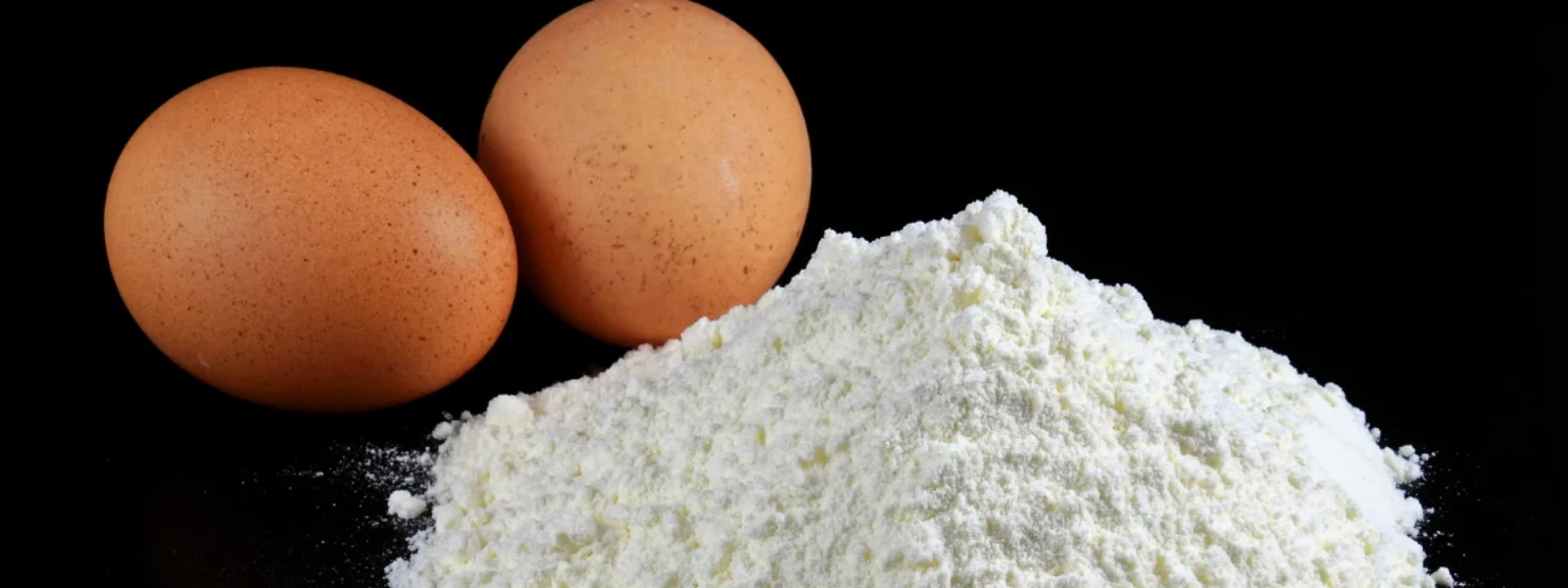


Choosing the right non veg PrOtein pOWDer can feel overwhelming with countless options flooding the market. Whether you're aiming for muscle building, weight management, or simply wanting to boost your daily protein intake, animal-based protein powders offer unique advantages that make them worth considering. These high protein supplements provide complete amino acid profiles and superior bioavailability compared to many alternatives.
Understanding how to select the best non veg protein powder requires more than just looking at price tags or flashy marketing claims. Your choice should align with your specific health goals, dietary preferences, and quality standards. This comprehensive guide will walk you through seven essential tips that will help you make an informed decision and maximize your nutritional investment.
Animal-based protein powder comes from various sources, each offering distinct nutritional profiles and benefits. The most common types include whey protein (derived from milk), casein protein, and beef protein powder. Some newer options include chicken protein powder and marine collagen peptides, which provide different amino acid compositions.
The quality of non veg protein powder largely depends on its biological value, which measures how efficiently your body can use the protein. Animal-based proteins typically score higher on this scale because they contain all nine essential amino acids in optimal ratios. This complete amino acid profile makes them particularly effective for muscle building protein powder applications.
Processing methods significantly impact the final product quality. Cold-pressed extraction methods preserve more nutrients compared to heat-treated alternatives. The protein concentration can range from 70% to 95% per serving, with higher concentrations typically indicating better quality and value.
The foundation of any excellent non veg protein powder lies in its source quality. Whey protein, sourced from grass-fed cows, typically offers superior nutritional value compared to conventional alternatives. Look for products that specify their sourcing practices and animal welfare standards.
Beef protein powder provides an alternative for those sensitive to dairy products while maintaining the benefits of animal-based protein powder. These products undergo hydrolysis to break down proteins into smaller, more digestible peptides. Quality beef protein powders should specify the cuts used and processing methods employed.
Marine collagen represents another excellent option, particularly for those focused on skin health alongside muscle support. These proteins are typically sourced from wild-caught fish and offer unique amino acid profiles rich in glycine, proline, and hydroxyproline.
Examine how the protein is extracted and processed. Cold-processed options retain more nutrients and bioactive compounds. Avoid products that use harsh chemicals or excessive heat during processing, as these methods can denature proteins and reduce their effectiveness.
A superior non veg protein powder should provide at least 20-25 grams of protein per serving. However, protein content alone doesn't tell the whole story. The amino acid profile matters significantly for muscle building and recovery.
Branched-chain amino acids (BCAAs) play crucial roles in muscle protein synthesis. Look for products containing adequate leucine, isoleucine, and valine ratios. Quality animal-based protein powder typically provides 2-3 grams of leucine per serving, which is optimal for triggering muscle protein synthesis.
Consider the macronutrient balance beyond protein content. Some products include minimal carbohydrates and fats, making them suitable for weight loss goals. Others might include moderate amounts of these macronutrients to support weight gain or general nutrition.
Did You Know?
Animal-based proteins contain all nine essential amino acids that your body cannot produce on its own. This complete amino acid profile makes them particularly effective for muscle recovery and growth compared to many plant-based alternatives.
Check for additional beneficial compounds like immunoglobulins, lactoferrin, and growth factors that occur naturally in high-quality animal proteins. These bioactive compounds can support immune function and overall health beyond basic protein requirements.
Protein plays a vital role in weight management through multiple mechanisms. High protein supplements can increase your metabolic rate through the thermic effect of food, meaning your body burns more calories digesting protein compared to carbohydrates or fats.
For those using protein powder for weight loss, look for products with minimal added sugars and calories. The protein should provide satiety benefits, helping you feel fuller for longer periods and reducing overall caloric intake throughout the day.
During weight loss phases, adequate protein intake becomes crucial for preserving lean muscle mass. Non veg protein powder can help maintain your metabolic rate by preventing muscle loss that often accompanies caloric restriction.
For weight gain goals, consider products that provide additional calories from healthy sources. Some protein powder for weight gain includes medium-chain triglycerides or other beneficial fats that support healthy weight increases.
Quality non veg protein powder should have transparent labeling that clearly lists all ingredients. Avoid products with lengthy ingredient lists filled with artificial additives, fillers, or unnecessary compounds.
Look for products that specify "no artificial sweeteners" if you prefer natural alternatives. Many high-quality options use natural flavoring systems or remain unflavored to avoid artificial additives entirely.
Third-party testing provides additional assurance of quality and purity. Look for certifications from independent laboratories that test for heavy metals, contaminants, and verify protein content claims.
Clearly labeled allergen information helps you avoid potential reactions. Common allergens in animal-based protein powder include milk derivatives in whey and casein products. Some people may also be sensitive to specific animal proteins.
Clean label certifications indicate that products meet specific standards for ingredient quality and transparency. These certifications require companies to disclose sourcing practices and processing methods.
The digestibility of your chosen non veg protein powder directly impacts its effectiveness. Protein digestibility scores help compare how well your body can absorb and utilize different protein sources.
Whey protein typically offers rapid absorption, making it ideal for post-workout consumption. Casein protein provides slower, sustained release, which can be beneficial for overnight muscle recovery or between meals.
Consider the solubility and mixing characteristics of your protein powder. Products that mix easily without clumping provide better user experience and may indicate superior processing quality.
Different types of animal-based protein powder work better at different times. Fast-absorbing options work well immediately after exercise, while slower-digesting varieties can support sustained amino acid release throughout the day.
The texture and taste significantly impact long-term compliance. Choose products that you genuinely enjoy consuming, as consistency is key to achieving your protein-rich diet goals.
Calculate the cost per serving rather than just comparing package prices. Higher-quality non veg protein powder often provides better value despite higher upfront costs due to superior protein concentration and bioavailability.
Consider the protein cost per gram to make accurate comparisons between products. Sometimes premium products offer competitive per-gram pricing when you account for their higher protein concentrations.
Bulk purchasing strategies can reduce costs significantly, but only invest in larger quantities after trying smaller sizes to ensure you enjoy the product and tolerate it well.
Quality protein supplementation represents an investment in your long-term health and fitness goals. Cheaper options may seem attractive initially but could provide inferior results or require larger serving sizes to achieve desired outcomes.
Factor in potential additional costs like shipping, subscription discounts, or loyalty programs when calculating true product costs. Many reputable brands offer subscription services that reduce per-unit costs.
Research the manufacturer's reputation within the supplement industry. Established companies with strong track records typically invest more in quality control and research compared to newer or unknown brands.
Customer reviews provide valuable insights into real-world product performance, taste, and tolerability. Look for patterns in feedback rather than focusing on individual extreme opinions.
Scientific research backing adds credibility to product claims. Companies that invest in clinical studies demonstrate commitment to evidence-based product development.
While athlete endorsements shouldn't be the sole deciding factor, professional recommendations from nutritionists, dietitians, or fitness experts can provide valuable perspectives on product quality and effectiveness.
Industry awards and recognitions from supplement industry organizations can indicate superior quality and innovation compared to competitors.
Yes, high-quality non veg protein powder is generally safe for daily consumption when used according to recommended serving sizes. Most healthy adults can safely consume 1-2 servings daily as part of a balanced diet.
Look for products providing 20-30 grams of protein per serving. This amount typically supports muscle protein synthesis effectively while providing good value for your investment.
Yes, protein powder for weight loss can support your goals by increasing satiety, preserving muscle mass during caloric restriction, and boosting metabolism through the thermic effect of protein digestion.
Whey protein absorbs quickly and contains high levels of BCAAs, making it ideal for post-workout recovery. Beef protein powder provides an alternative for those with dairy sensitivities while offering complete amino acid profiles.
Look for third-party testing, transparent ingredient lists, high protein concentration per serving, clean sourcing practices, and positive customer reviews from verified purchasers.
Selecting the best non veg protein powder requires careful consideration of multiple factors beyond just price and flavor preferences. Focus on protein source quality, nutritional profiles, ingredient transparency, and your specific health goals when making your decision. Remember that the most expensive option isn't always the best choice for your individual needs.
Quality animal-based protein powder can significantly support your fitness journey, whether you're focused on muscle building, weight management, or general health optimization. Take time to research different options, read customer reviews, and consider starting with smaller quantities to test tolerance and preferences before committing to larger purchases. Your investment in high-quality protein supplementation can pay dividends in achieving your long-term health and fitness objectives.



