Collagen vs Retinol: The Ultimate Skincare Showdown
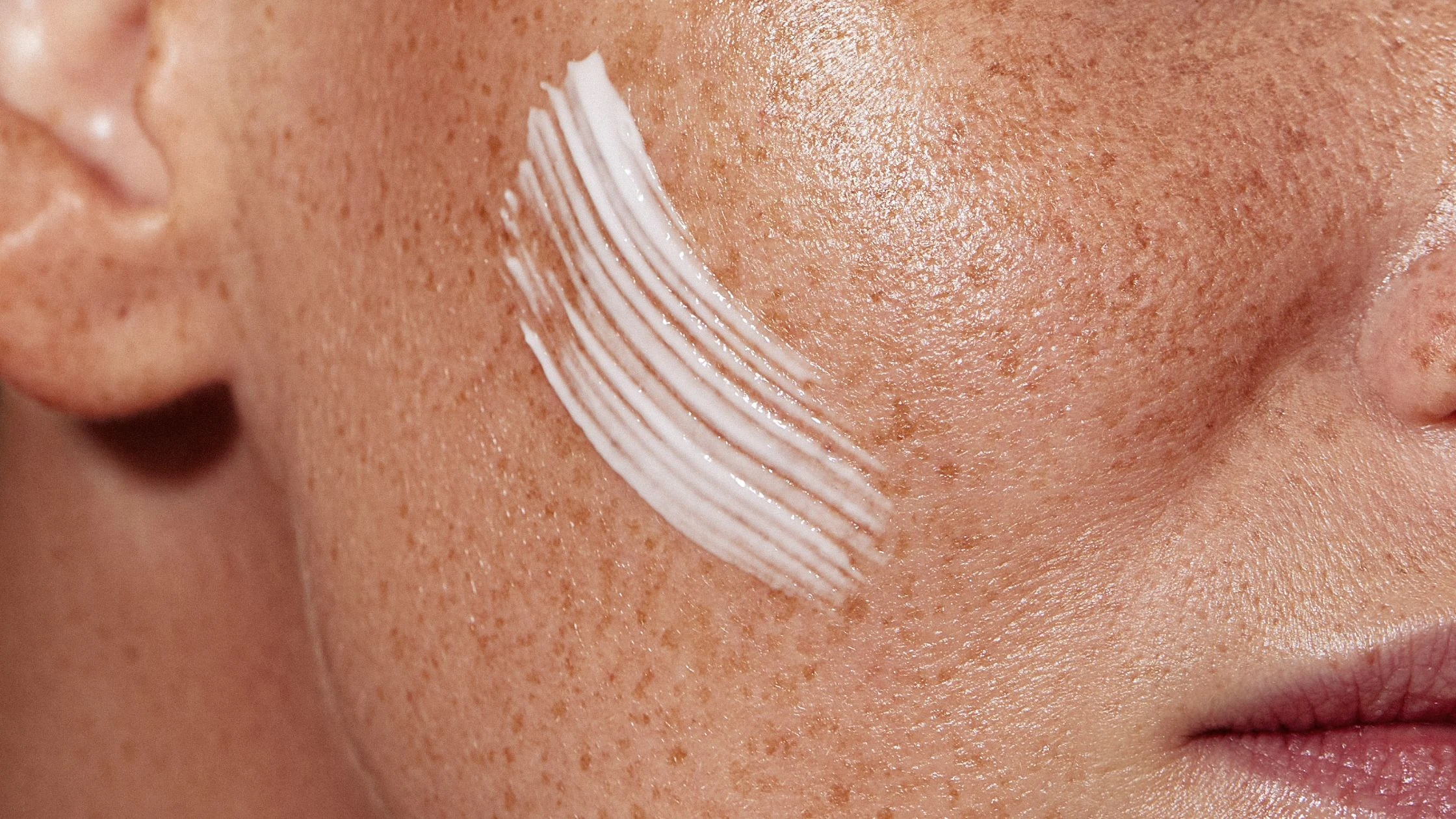


The quest for youthful, radiant skin has led many to explore the world of anti-aging ingredients. Two powerhouses dominate skincare conversations: collagen and retinol. While both promise to turn back the clock on aging, they work through completely different mechanisms. Understanding the science behind collagen vs retinol can help you make informed decisions about your skincare routine and achieve your specific anti-aging goals.
This comprehensive guide will explore how these ingredients differ, their unique benefits, potential side effects, and whether you can use them together. By the end, you'll have a clear understanding of which approach aligns best with your skin concerns and lifestyle.
Collagen is the most abundant protein in your body, making up about 75% of your skin's dry weight. Think of it as the scaffolding that keeps your skin firm, plump, and elastic. Unfortunately, your body's natural collagen production begins declining around age 25, dropping by approximately 1% each year.
When it comes to collagen supplements, marine collagen peptides have shown particular promise. These smaller protein fragments are more easily absorbed by the body compared to topical collagen products, which typically cannot penetrate the skin's surface due to their large molecular size.
The primary types of collagen that benefit skin health include Type I collagen, which provides structure and strength, and Type III collagen, which supports skin elasticity and hydration. Research suggests that supplemental collagen can help maintain skin moisture levels and reduce the appearance of fine lines through improved hydration.
Retinol is a derivative of Vitamin A that works at the cellular level to accelerate skin renewal. Unlike collagen, which provides structural support, retinol actively stimulates your skin's natural processes. When applied topically, retinol serum converts to retinoic acid in your skin, promoting faster cell turnover and encouraging the production of new, healthy skin cells.
This cellular renewal process helps address multiple signs of skin aging simultaneously. Retinol not only smooths existing fine lines but also stimulates your skin's natural collagen production, creating a dual anti-aging effect. The ingredient comes in various concentrations, from gentle over-the-counter formulations to stronger prescription options.
The collagen benefits for skin are primarily related to hydration and structural support. Clinical studies have shown that marine collagen peptides can increase skin moisture levels by up to 28% after eight weeks of supplementation. This improved hydration creates a plumping effect that can temporarily reduce the appearance of fine lines.
Additionally, collagen supplementation supports overall skin elasticity by providing the building blocks your skin needs to maintain its structure. Many users report improvements in skin texture and firmness, though these changes typically occur gradually over several months of consistent use.
Beyond skin benefits, collagen supplements may also support joint health and hair strength, making them a comprehensive wellness choice for those seeking multiple benefits from a single supplement.
The retinol benefits extend far beyond surface-level improvements. This powerful ingredient addresses skin aging at its source by accelerating cellular turnover and stimulating collagen production. Clinical research demonstrates that retinol can increase collagen synthesis by up to 80% in some individuals.
Retinol excels at reducing hyperpigmentation, evening skin tone, and improving overall skin texture. Unlike collagen, which primarily provides hydration benefits, retinol actively reverses existing damage while preventing future signs of aging. The ingredient's ability to unclog pores also makes it beneficial for those dealing with adult acne alongside aging concerns.
Did You Know?
While collagen supplements work from the inside out to support skin structure, retinol works from the outside in to stimulate cellular renewal. This fundamental difference means they can complement each other beautifully in a comprehensive anti-aging skincare routine.
Research comparing these ingredients reveals distinct timelines for results. Collagen supplements typically show hydration improvements within 4-6 weeks, while structural benefits may take 8-12 weeks to become apparent. Retinol, conversely, often shows initial improvements in skin texture within 2-4 weeks, with significant anti-aging benefits becoming visible after 12-16 weeks of consistent use.
When comparing collagen vs retinol for wrinkles, understanding their different mechanisms is crucial. Collagen works by improving skin hydration and providing structural support, which can plump existing fine lines and make them less noticeable. This effect is primarily cosmetic and temporary, lasting as long as you continue supplementation.
Retinol, however, addresses wrinkles through cellular renewal and collagen stimulation. It actually helps prevent new wrinkles from forming while reducing the depth of existing ones. This makes retinol more effective for long-term wrinkle prevention and treatment.
For fine lines caused by dehydration, collagen supplements can provide noticeable improvements through enhanced moisture retention. However, for deeper wrinkles caused by collagen breakdown and sun damage, retinol's ability to stimulate new collagen production makes it the more effective choice.
Age-specific recommendations vary: those in their 20s and early 30s might benefit more from collagen's preventive hydration support, while individuals over 35 often see better results from retinol's active anti-aging properties.
Retinol side effects are well-documented and typically include initial dryness, redness, and peeling as your skin adjusts to increased cell turnover. This "retinol purge" usually subsides within 2-4 weeks of consistent use. More concerning is retinol's ability to increase photosensitivity, making diligent sun protection essential.
Pregnant and breastfeeding women should avoid retinol due to potential risks to fetal development. Those with sensitive skin conditions like rosacea or eczema may also need to avoid or use retinol with extreme caution.
Collagen side effects are generally minimal, making it suitable for most people. The most common issues relate to digestive sensitivity in some individuals, particularly when starting supplementation. Allergic reactions are rare but possible, especially with marine-derived collagen in those with fish allergies.
Quality and sourcing matter significantly with collagen supplements. Choosing products that are third-party tested and free from heavy metals ensures safety and efficacy.
Using retinol and collagen together can create a synergistic effect for comprehensive anti-aging benefits. Since collagen is typically taken as an oral supplement and retinol is applied topically, there's no direct interaction between the products.
The ideal approach involves taking collagen supplements consistently while introducing retinol gradually into your evening skincare routine. Start with retinol 2-3 times per week, gradually increasing frequency as your skin builds tolerance.
A comprehensive anti-aging skincare routine might include collagen supplementation for internal support, retinol for cellular renewal, and hyaluronic acid for additional hydration. This triple approach addresses aging from multiple angles: structural support, cellular renewal, and moisture retention.
Morning routines should focus on protection and hydration, while evening routines can incorporate active ingredients like retinol. Collagen supplements can be taken at any time of day, though many prefer morning consumption for consistency.
For younger individuals focused on prevention, collagen supplementation can help maintain natural collagen levels as production begins to decline. A gentle retinol introduction during this period can also establish good anti-aging habits without overwhelming young skin.
Mature skin often benefits from both approaches simultaneously. Higher concentration retinol products become more appropriate, while collagen supplementation provides essential structural support for aging skin. Professional treatments may also complement this at-home routine.
For existing wrinkles, retinol is generally more effective because it stimulates new collagen production and accelerates cellular renewal. Collagen supplements provide structural support and hydration, which can improve the appearance of fine lines but won't address deeper wrinkles as effectively as retinol.
Yes, using retinol topically and taking collagen supplements is completely safe and can be highly beneficial. Since they work through different mechanisms - retinol stimulating cellular renewal and collagen providing structural support - they complement each other well in an anti-aging routine.
Collagen supplements typically show hydration improvements within 4-6 weeks, with structural benefits appearing after 8-12 weeks. Retinol often shows initial texture improvements within 2-4 weeks, with significant anti-aging benefits becoming visible after 12-16 weeks of consistent use.
Retinol can cause initial dryness, redness, and increased sun sensitivity, requiring gradual introduction and diligent sun protection. Collagen supplements are generally well-tolerated, with minimal side effects beyond occasional digestive sensitivity in some individuals.
Collagen supplementation can begin in the mid-20s as natural production starts declining. Retinol can be introduced in the late 20s or early 30s, starting with lower concentrations and gradually increasing as needed and tolerated.
The collagen vs retinol debate doesn't have to be an either-or decision. These ingredients work through complementary mechanisms to address different aspects of skin aging. Collagen provides structural support and hydration from within, while retinol stimulates cellular renewal and new collagen production from the surface. Understanding their unique benefits, safety profiles, and optimal usage can help you create a personalized anti-aging strategy that delivers the results you're seeking. Whether you choose one or both ingredients, consistency and patience are key to achieving lasting improvements in skin health and appearance.



