How to Manage Type 2 Diabetes: Effective Treatment Options
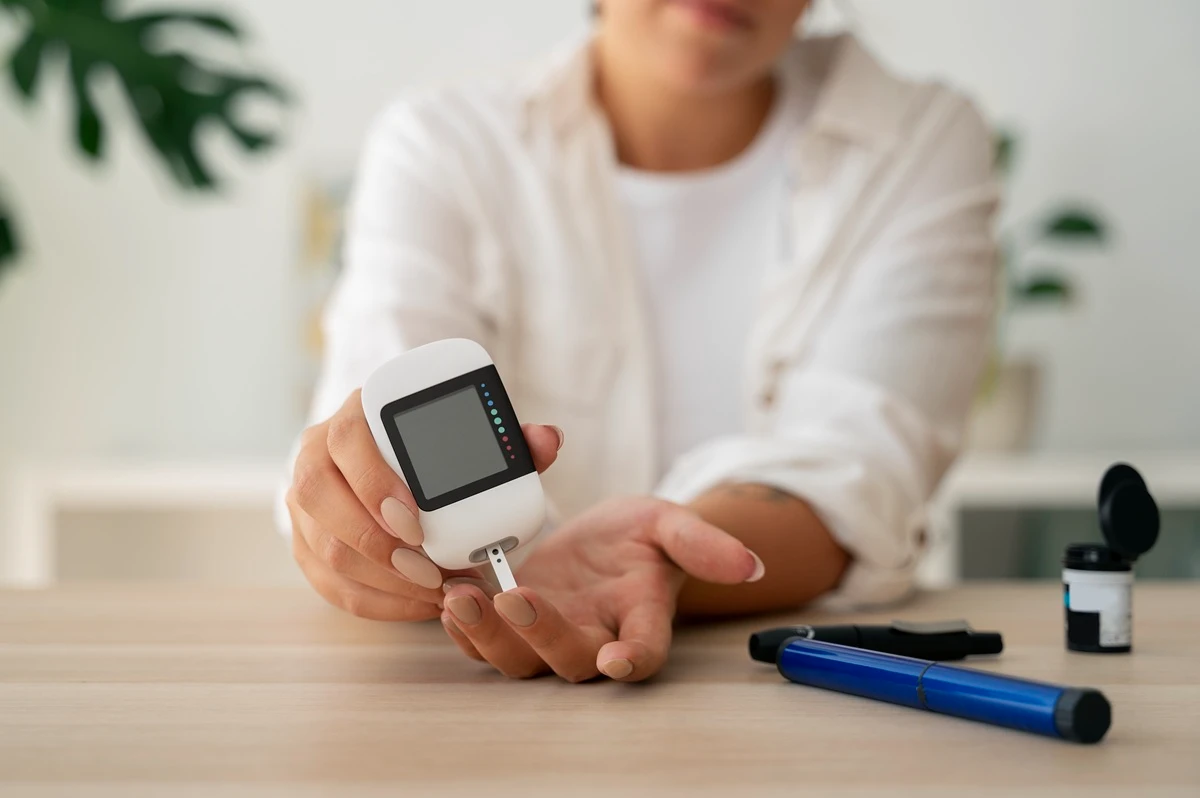


Type 2 diabetes affects millions of people worldwide, but here's the good news: effective management is entirely possible. With the right approach, you can take control of your blood sugar levels and live a full, healthy life. This comprehensive guide will walk you through proven strategies for managing type 2 diabetes and improving your overall quality of life. You'll discover treatment options, lifestyle changes, and expert tips that can help you maintain optimal blood sugar control while reducing your risk of complications.
Type 2 diabetes is a chronic condition where your body doesn't use insulin properly. This leads to high blood sugar levels that can damage your organs over time. Unlike Type 1 diabetes, your body still makes insulin, but it either doesn't make enough or your cells resist its effects.
Recognizing type 2 diabetes symptoms early can make a huge difference in your treatment journey. Common signs include increased thirst, frequent urination, unexplained weight loss, fatigue, and blurred vision. You might also notice slow-healing cuts or frequent infections. Many people have no symptoms at first, which is why regular check-ups are so important.
Several factors increase your risk of developing Type 2 diabetes. These include being overweight, having a family history of diabetes, being over 45 years old, and leading a sedentary lifestyle. Certain ethnic groups also have higher risks. While you can't change your genetics or age, you can control many other risk factors through lifestyle choices.
Poor type 2 diabetes control can lead to serious complications. In the short term, you might experience frequent infections, slow wound healing, and fatigue. Long-term complications include heart disease, kidney damage, nerve problems, and vision loss. The good news is that proper management can prevent or delay these complications significantly.
Effective type 2 diabetes management brings immediate and long-term benefits. You'll have more energy, better mood, and improved overall health. Proper control also reduces your risk of serious complications like heart attacks, strokes, and kidney disease. Many people find that managing their diabetes well actually improves their quality of life.
Setting achievable goals is crucial for successful type 2 diabetes control. Work with your healthcare team to establish realistic targets for blood sugar levels, weight loss, and physical activity. Small, consistent changes often lead to better results than dramatic lifestyle overhauls that are hard to maintain.
Your diet plays a central role in managing type 2 diabetes. The foods you eat directly affect your blood sugar levels, making nutrition a powerful tool for diabetes control.
A balanced type 2 diabetes diet focuses on whole foods, lean proteins, healthy fats, and complex carbohydrates. This approach helps maintain steady blood sugar levels throughout the day. Include plenty of vegetables, fruits, whole grains, and lean proteins like fish, chicken, and legumes.
Choose foods that won't spike your blood sugar. Great options include leafy greens, berries, fatty fish, nuts, and whole grains. Limit refined sugars, processed foods, white bread, and sugary drinks. Remember, portion control is just as important as food choices.
Plan your meals ahead to maintain consistent blood sugar levels. Eat at regular times, include protein with each meal, and spread your carbohydrates throughout the day. This approach helps prevent blood sugar spikes and keeps your energy levels stable.
Regular exercise is one of the most effective tools for managing type 2 diabetes. Physical activity helps your muscles use glucose for energy, which naturally lowers blood sugar levels.
Both aerobic exercise and strength training benefit people with diabetes. Try brisk walking, swimming, cycling, or dancing for cardiovascular health. Add resistance exercises twice a week to build muscle mass, which helps with glucose control.
Start slowly and build up gradually. Aim for at least 150 minutes of moderate exercise per week. Break this into manageable chunks, like 30 minutes five days a week. Find activities you enjoy to make exercise a sustainable part of your routine.
Did You Know? The Power of Small Changes
Did you know that losing just 5-10% of your body weight can significantly improve blood sugar control in type 2 diabetes? Small, consistent changes in diet and exercise can lead to big improvements in managing your condition.
Always check your blood sugar before exercising. Carry glucose tablets or a quick-acting carbohydrate in case your blood sugar drops too low. Stay hydrated and check your feet regularly for any cuts or sores that might not heal properly.
Chronic stress can raise blood sugar levels, making diabetes harder to manage. Try relaxation techniques like deep breathing, meditation, or yoga. Regular exercise also helps reduce stress while improving your diabetes control.
Poor sleep can affect your blood sugar control and insulin sensitivity. Aim for 7-9 hours of quality sleep each night. Create a consistent bedtime routine and limit screen time before bed to improve your sleep quality.
Several oral medications can help with type 2 diabetes treatment. Your doctor will choose the best option based on your specific needs, other health conditions, and how well your body responds to treatment.
Metformin is often the first medication prescribed for Type 2 diabetes. It works by reducing glucose production in your liver and improving insulin sensitivity. Most people tolerate it well, and it doesn't typically cause weight gain.
These medications help your pancreas release more insulin. They're effective at lowering blood sugar but may cause weight gain and low blood sugar episodes. Your doctor will monitor you closely if you take these medications.
These newer medications work by blocking an enzyme that breaks down hormones that help control blood sugar. They're generally well-tolerated and don't usually cause weight gain or low blood sugar.
Some people with Type 2 diabetes benefit from injectable medications. These aren't the same as insulin and are often used alongside oral medications.
These medications slow digestion, help you feel full, and signal your pancreas to release insulin when blood sugar is high. Many people also experience weight loss with these medications.
Some people with Type 2 diabetes eventually need insulin therapy. This doesn't mean you've failed at managing your diabetes - it's simply a progression of the condition. Modern insulin options are highly effective and convenient to use.
Regular blood sugar monitoring is essential for effective diabetes management. It helps you understand how food, exercise, stress, and medications affect your blood sugar levels.
Your healthcare team will recommend a testing schedule based on your treatment plan. This might include checking before meals, two hours after eating, or at bedtime. Consistency in timing helps track patterns in your blood sugar levels.
Most adults with diabetes should aim for blood sugar levels between 80-130 mg/dL before meals and less than 180 mg/dL two hours after eating. Your doctor may set different targets based on your individual health needs.
The A1C test measures your average blood sugar over the past two to three months. Most people with diabetes should aim for an A1C below 7%, though your target may be different based on your individual circumstances.
Modern technology can make diabetes management easier and more accurate.
CGMs provide real-time blood sugar readings without finger pricks. They can alert you to high or low blood sugar trends, helping you make better management decisions throughout the day.
Smartphone apps can help you track blood sugar, medications, food intake, and exercise. Many apps also provide educational resources and connect you with healthcare providers or support communities.
Some people find complementary approaches helpful alongside traditional treatment. Acupuncture, massage therapy, and mindfulness practices may help with stress management and overall well-being. Always discuss these options with your healthcare team first.
Certain nutrients may support diabetes management when used as part of a comprehensive approach. Some people benefit from chromium, alpha-lipoic acid, or cinnamon supplements. When choosing supplements, look for superior ingredients, highly absorbable formats, palatable flavors to ensure you'll actually take them consistently. However, supplements should complement, not replace, proven diabetes treatments.
Practices like meditation, yoga, and tai chi can help reduce stress and improve blood sugar control. These techniques also promote overall well-being and can make diabetes management feel less overwhelming.
While type 2 diabetes cannot be cured, it can be effectively managed and, in some cases, put into remission through lifestyle changes, weight loss, and proper treatment.
The frequency of blood sugar checks varies depending on your individual treatment plan. Generally, it's recommended to check at least once a day, often before meals or at bedtime. Consult with your healthcare provider for personalized advice.
Some natural remedies, such as cinnamon, fenugreek, and bitter melon, have shown potential benefits for blood sugar control. However, it's crucial to discuss any natural remedies with your doctor before incorporating them into your treatment plan.
Exercise can help lower blood sugar levels by improving insulin sensitivity and glucose uptake by muscles. Regular physical activity is an essential component of type 2 diabetes management.
If your blood sugar levels remain consistently high despite following your treatment plan, it's important to contact your healthcare provider. They may need to adjust your medication, diet, or overall management strategy.
Managing type 2 diabetes effectively requires a multifaceted approach that combines lifestyle changes, medication, and regular monitoring. By understanding your condition, adopting a healthy diet, engaging in regular physical activity, and working closely with your healthcare team, you can successfully control your blood sugar levels and reduce the risk of complications. Remember that small, consistent changes can lead to significant improvements in your overall health and quality of life. With the right knowledge and support, you can take control of your type 2 diabetes and lead a fulfilling, healthy life.



