How to Take Berberine Supplement for Optimal Benefits
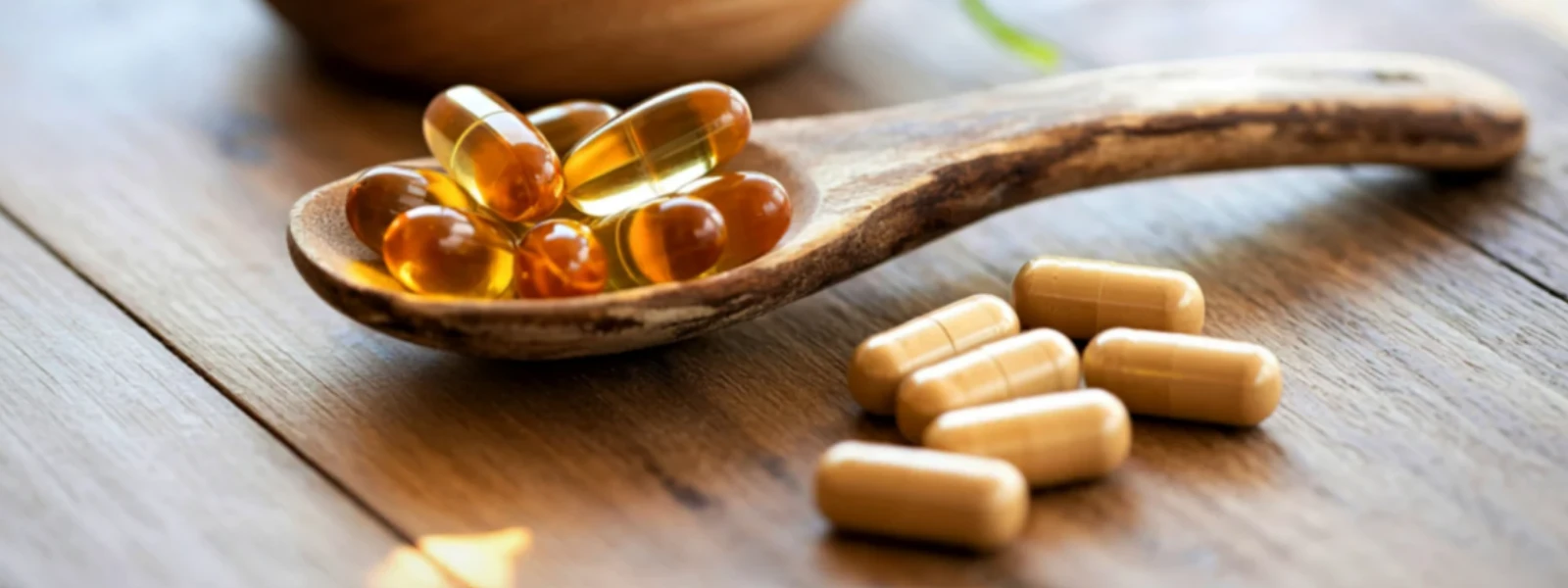


Berberine has emerged as one of the most researched natural compounds in recent years, gaining attention for its remarkable ability to support various aspects of health. This vibrant yellow alkaloid, extracted from plants like goldenseal, barberry, and tree turmeric, has been used in traditional medicine for centuries. Today, modern science is validating what ancient healers knew all along - berberine possesses powerful properties that can support metabolism, blood sugar regulation, and overall wellness.
Understanding how to properly take berberine supplements can make the difference between experiencing its full potential and missing out on its beneficial effects. This comprehensive guide will walk you through everything you need to know about incorporating berberine into your wellness routine for optimal results.
Berberine stands out in the supplement world due to its unique mechanism of action. Unlike many other natural compounds, berberine works at the cellular level by activating an enzyme called AMP-activated protein kinase (AMPK). This enzyme acts like a metabolic master switch, helping regulate energy production and utilization throughout your body.
When you take a berberine supplement, it travels through your digestive system and gets absorbed into your bloodstream. Once there, it begins influencing multiple pathways in your body. Research shows that berberine can help improve insulin sensitivity, which is crucial for maintaining healthy blood sugar levels. This makes it particularly interesting for those looking to support their metabolic health.
The compound also demonstrates impressive anti-inflammatory properties. Chronic inflammation can contribute to various health issues, and berberine's ability to help reduce inflammatory markers in the body makes it a valuable addition to a wellness routine focused on long-term health.
Before berberine became available as a concentrated supplement, people obtained it through various plants. The most common sources include goldenseal root, Oregon grape, barberry, and Chinese goldthread. Traditional Chinese medicine has used berberine-containing plants for over 2,000 years to support digestive health and overall vitality.
Did You Know?
Berberine's bright yellow color has made it useful as a natural dye throughout history. Ancient civilizations used berberine-rich plants not only for health purposes but also to color fabrics and materials.
The growing interest in berberine stems from its diverse range of potential benefits. Research continues to uncover new ways this compound can support various aspects of health and wellness.
One of the most studied applications of berberine involves its role in supporting healthy metabolism. Studies suggest that berberine may help improve the way your body processes and uses energy from food. This metabolic support can be particularly beneficial for those looking to maintain a healthy weight as part of their overall wellness goals.
Berberine appears to influence several pathways involved in fat metabolism and energy expenditure. It may help optimize the function of mitochondria - the powerhouses of your cells - leading to more efficient energy production and utilization.
Perhaps the most well-researched benefit of berberine relates to blood sugar support. Multiple studies have shown that berberine can help improve glucose metabolism and insulin sensitivity. This makes it particularly valuable for individuals looking to maintain healthy blood sugar levels within normal ranges.
The compound works through several mechanisms to support glucose homeostasis. It can help improve insulin receptor sensitivity, reduce glucose production in the liver, and enhance glucose uptake by muscle cells. These combined effects contribute to better overall blood sugar management.
Research indicates that berberine may support various aspects of cardiovascular health. It appears to help maintain healthy cholesterol levels and support proper blood lipid profiles. Some studies suggest it may also help support healthy blood pressure levels within normal ranges.
Emerging research shows that berberine can positively influence gut health by supporting a balanced microbiome. A healthy gut microbiome is essential for proper digestion, immune function, and even mood regulation. Berberine's antimicrobial properties may help maintain the proper balance of beneficial bacteria in your digestive system.
Berberine demonstrates significant antioxidant activity, helping protect your cells from oxidative stress caused by free radicals. This antioxidant action, combined with its anti-inflammatory properties, may contribute to overall cellular health and longevity.
Not all berberine supplements are created equal. Understanding what to look for can help you select a high-quality product that delivers optimal results.
Traditional berberine supplements typically contain berberine hydrochloride (HCl), which is the most common and well-studied form. However, newer formulations have emerged to address some of berberine's absorption challenges.
Liposomal berberine represents an advanced delivery system that encapsulates the compound in lipid spheres. This technology may help improve absorption and bioavailability, potentially making the supplement more effective at lower doses.
When selecting a berberine supplement, look for products that provide clear information about purity and potency. High-quality supplements should be third-party tested for contaminants and should clearly state the amount of active berberine per serving.
Consider supplements that are free from unnecessary additives, artificial colors, and preservatives. Clean label certifications can provide additional assurance about product quality and manufacturing standards.
Getting the dosage and timing right is crucial for experiencing berberine's full benefits while minimizing potential side effects.
Most research on berberine has used doses ranging from 500mg to 1,500mg per day, typically divided into two or three smaller doses. Starting with a lower dose and gradually increasing can help your body adjust to the supplement.
Many people find success with 500mg taken twice daily, while others may benefit from 500mg three times daily. The optimal dose can vary based on individual factors such as body weight, health goals, and sensitivity to the compound.
Taking berberine with meals is generally recommended for several reasons. First, it can help reduce potential digestive discomfort that some people experience when taking berberine on an empty stomach. Second, taking it with meals may help optimize its effects on blood sugar and metabolism.
For those using berberine primarily for metabolic support, taking it 15-30 minutes before meals may provide additional benefits. This timing allows the compound to be present in your system when you consume food, potentially helping optimize the metabolic response to your meal.
Some experts suggest cycling berberine supplementation, such as taking it for 8-12 weeks followed by a 2-4 week break. This approach may help prevent your body from developing tolerance to the compound and maintain its effectiveness over time.
While berberine can be beneficial on its own, combining it with healthy lifestyle practices can amplify its effects.
Berberine works best when combined with a balanced, whole-foods diet. Focus on consuming plenty of vegetables, lean proteins, healthy fats, and complex carbohydrates. Limiting processed foods and added sugars can help berberine work more effectively in supporting your metabolic health.
Some foods may enhance berberine's absorption and effects. For example, consuming berberine with a small amount of healthy fat may improve its bioavailability. However, avoid taking it with high-fat meals, as this might reduce absorption.
Regular physical activity can complement berberine's metabolic benefits. Exercise naturally activates many of the same pathways that berberine influences, including AMPK activation. Combining berberine supplementation with regular exercise may provide synergistic effects for metabolic health and energy levels.
Quality sleep and stress management are essential for optimal metabolic function. Berberine may be more effective when you're getting adequate rest and managing stress levels effectively. Poor sleep and chronic stress can interfere with the very pathways that berberine aims to support.
While berberine is generally well-tolerated by most people, understanding potential side effects and interactions is important for safe use.
The most commonly reported side effects of berberine are digestive in nature. These may include stomach upset, diarrhea, or cramping, particularly when starting supplementation or taking higher doses. These effects are usually mild and often resolve as your body adjusts to the supplement.
Taking berberine with food and starting with lower doses can help minimize digestive discomfort. If side effects persist, consider reducing the dose or consulting with a healthcare provider.
Pregnant and breastfeeding women should avoid berberine supplements, as there isn't sufficient research on safety during these periods. Children should also avoid berberine unless specifically recommended by a healthcare provider.
Individuals with certain health conditions, particularly those related to blood sugar regulation or cardiovascular health, should consult with their healthcare provider before starting berberine supplementation.
Berberine may interact with certain medications, particularly those used for blood sugar management. It can potentially enhance the effects of diabetes medications, which could lead to blood sugar levels dropping too low.
The compound may also interact with certain antibiotics and blood pressure medications. Always consult with a healthcare provider if you're taking any medications before adding berberine to your routine.
Tracking your response to berberine can help you optimize your supplementation strategy and determine if it's providing the benefits you're seeking.
If you're using berberine for metabolic support, consider tracking metrics like energy levels, weight trends, and how you feel after meals. Some people also monitor blood sugar levels (with appropriate medical supervision) to assess berberine's effects.
Keep a simple log of when you take berberine, any side effects you experience, and any positive changes you notice. This information can help you and your healthcare provider determine if berberine is right for you.
Most people begin noticing some effects from berberine within 2-4 weeks of consistent use. However, more significant changes in metabolic markers may take 8-12 weeks to become apparent. Patience and consistency are key to experiencing berberine's full benefits.
For most healthy adults, berberine appears to be safe for daily use when taken at recommended doses. However, some experts suggest periodic breaks to maintain effectiveness. Always consult with a healthcare provider before starting any new supplement regimen, especially for long-term use.
Berberine is primarily used to support metabolic health, including blood sugar regulation and weight management. It's also used for its anti-inflammatory and antioxidant properties, gut health support, and cardiovascular wellness. Research continues to explore additional applications for this versatile compound.
Most people begin experiencing some benefits from berberine within 2-4 weeks of consistent use. However, more significant changes in metabolic markers and overall health may take 8-12 weeks to become apparent. Individual responses can vary based on factors like dosage, diet, and overall health status.
Berberine can generally be taken with most other supplements, but some combinations may be more beneficial than others. It may work synergistically with certain nutrients like chromium or alpha-lipoic acid for metabolic support. However, always consult with a healthcare provider before combining supplements, especially if you're taking medications.
Berberine is generally best taken with meals to reduce potential digestive side effects and optimize absorption. Taking it 15-30 minutes before meals may provide additional metabolic benefits. Avoid taking berberine on an empty stomach, as this can increase the likelihood of digestive discomfort.
Berberine represents a promising natural compound with extensive research supporting its various health benefits. From metabolic support and blood sugar regulation to anti-inflammatory and antioxidant effects, berberine offers a multifaceted approach to wellness. The key to success lies in choosing a high-quality supplement, following proper dosage guidelines, and maintaining consistency in your supplementation routine.
Remember that berberine works best as part of a comprehensive approach to health that includes a balanced diet, regular exercise, adequate sleep, and stress management. While berberine can be a valuable addition to your wellness routine, it's not a magic solution but rather a tool to support your overall health goals.
As with any supplement, individual responses to berberine can vary. What works best for one person may not be optimal for another. Consider working with a qualified healthcare provider who can help you determine if berberine is appropriate for your specific health goals and can guide you in developing a safe and effective supplementation strategy.



