How Women Can Effectively Gain Muscle Mass?
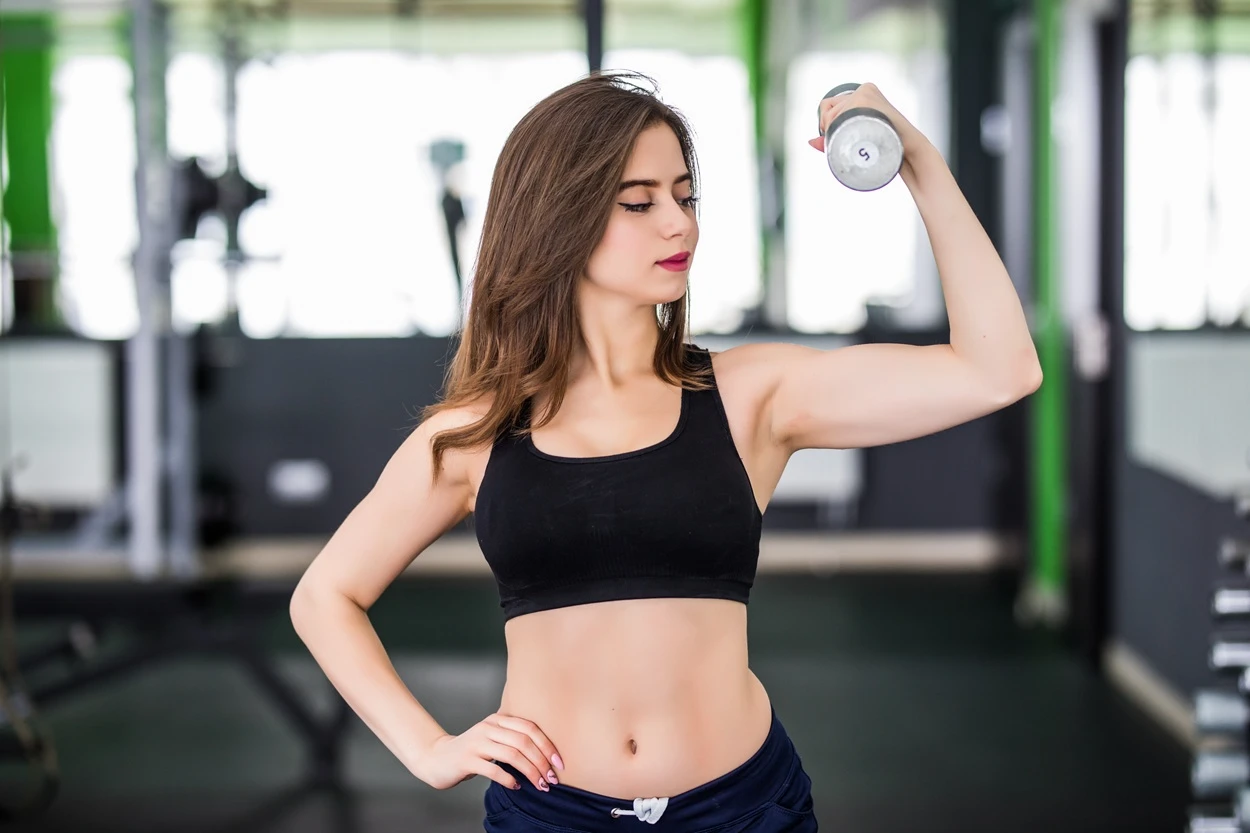


Building muscle mass as a woman presents unique physiological challenges that differ significantly from men's muscle-building journey. Despite persistent myths suggesting women cannot effectively gain substantial muscle, recent research reveals that women can increase muscle mass by 20-25% within their first year of structured resistance training when following evidence-based protocols.
This comprehensive guide addresses the specific nutritional, training, and supplementation strategies that support healthy muscle development in women. You'll discover how to navigate hormonal considerations, select the most effective weight gainer for women, and implement sustainable practices that promote both muscle growth and overall metabolic health. By the end of this post, you'll possess a clear roadmap for achieving your muscle-building goals while maintaining optimal health and energy levels.
Women's muscle-building capacity is influenced by distinct hormonal profiles, particularly lower testosterone levels and fluctuating estrogen throughout menstrual cycles. Research demonstrates that these hormonal variations affect protein synthesis rates, recovery patterns, and optimal training timing.
Estrogen actually provides some advantages for muscle building. It helps protect muscle tissue from damage during exercise and supports recovery. However, the lower testosterone levels mean women need to work smarter, not necessarily harder, to achieve muscle growth.
The female body responds differently to resistance training stimuli, requiring adjusted volume, intensity, and recovery protocols. Studies indicate women can handle higher training frequencies due to faster recovery rates. Their muscle fiber composition influences optimal rep ranges and exercise selection.
Women typically have a higher percentage of Type I muscle fibers, which are more endurance-oriented. This means they can benefit from slightly higher repetition ranges while still focusing on progressive overload for muscle building for women.
Women's metabolic flexibility and fat storage patterns necessitate precise caloric surplus calculations. Unlike men, women require careful attention to maintaining lean mass gains while minimizing excess fat accumulation, particularly around hormonal transition periods.
The key is finding the sweet spot where you're eating enough to fuel muscle growth but not so much that you're storing excessive fat. This balance is crucial for achieving healthy weight gain that supports your goals.
Effective muscle building requires a strategic caloric surplus of 200-500 calories above maintenance levels. Research shows women achieve optimal muscle gains with moderate surpluses that support protein synthesis without excessive fat storage.
Start by calculating your baseline metabolic needs, then add calories gradually. Monitor your progress weekly and adjust based on how your body responds. Some women may need the lower end of this range, while others who are very active may need more.
Women building muscle require 1.6-2.2 grams of protein per kilogram of body weight daily, distributed across 4-5 meals. Studies emphasize the importance of leucine-rich protein sources, with 25-30 grams of high-quality protein per meal optimizing muscle protein synthesis.
Timing matters too. Consuming protein within two hours after your workout helps maximize the muscle-building response. However, total daily intake is more important than perfect timing for most women.
Carbohydrates fuel intensive training sessions, with 3-5 grams per kilogram of body weight supporting performance and recovery. Healthy fats comprising 20-30% of total calories support hormone production crucial for muscle development.
Don't fear carbohydrates when trying to increase muscle mass. They provide the energy needed for intense workouts and help with recovery. Focus on whole grain sources, fruits, and vegetables for the best results.
Expert Insight: Women often underestimate their protein needs during muscle-building phases. The key is consistent intake throughout the day, not just post-workout. This steady amino acid availability supports continuous muscle protein synthesis.
The most effective weight gainer for women contains clean protein sources, complex carbohydrates, essential fatty acids, and micronutrients supporting women's health. Look for products with superior ingredients, highly absorbable formats, palatable flavors that make consistent use enjoyable and sustainable.
Avoid products with excessive simple sugars or artificial additives that may disrupt hormonal balance. Quality matters more than quantity when selecting supplements to support your muscle-building journey.
Mass gainers vary in protein-to-carbohydrate ratios, caloric density, and ingredient quality. Women typically benefit from moderate-calorie formulations with higher protein percentages compared to traditional mass gainers designed for men.
Consider your individual needs and goals. If you struggle to eat enough throughout the day, a higher-calorie option might work. If you eat regular meals but need extra protein, choose a protein powder for women with moderate additional calories.
Strategic supplementation timing maximizes absorption and utilization. Consume weight gainers post-workout or between meals to supplement, not replace, whole food nutrition. Start with half servings to assess tolerance and gradually increase based on training demands and progress.
Remember that supplements are meant to fill gaps in your nutrition, not serve as meal replacements. Use them strategically to support your overall eating plan.
Progressive overload remains the fundamental principle for muscle growth, requiring systematic increases in training stimulus. Women can achieve this through increased weight, repetitions, sets, or training frequency, with optimal results from 2-3 weekly sessions per muscle group.
Track your workouts and aim to improve something each week. This might be adding five pounds to your squat, doing one more repetition, or completing an extra set. Small improvements add up over time.
Compound movements form the foundation of effective muscle-building programs. Squats, deadlifts, pull-ups, and presses recruit multiple muscle groups, promote functional strength, and create significant metabolic demands supporting overall muscle development.
Don't neglect isolation exercises entirely, but prioritize compound movements that give you the most bang for your buck. These exercises also improve coordination and functional strength for daily activities.
Effective programs balance training frequency, volume, and recovery. Full-body routines 3-4 times weekly or upper/lower splits allow adequate stimulus while respecting women's typically faster recovery rates. Include 48-72 hours between training the same muscle groups.
Consistency beats perfection. Choose a schedule you can stick to long-term rather than an overly ambitious plan you'll struggle to maintain.
Novice female trainees can expect 0.5-1 pound of muscle gain monthly during their first year, with progress slowing to 0.25-0.5 pounds monthly in subsequent years. Visible changes typically appear within 6-8 weeks, with significant strength improvements occurring within 4-6 weeks.
Be patient with the process. Muscle building is a gradual journey that requires consistent effort over months and years, not weeks.
Body weight fluctuations don't reflect muscle-building success. Track progress through body measurements, progress photos, strength improvements, and how your clothes fit. Focus on performance metrics like increased lifting capacity and improved exercise form.
Take measurements of your arms, thighs, and waist monthly. Progress photos from the same angles and lighting conditions provide valuable visual feedback that the scale cannot capture.
Regular assessment allows program optimization. If progress stalls, evaluate training intensity, nutritional adequacy, sleep quality, and stress levels. Adjust caloric intake, modify exercise selection, or alter training frequency based on individual response patterns.
Remember that plateaus are normal parts of the muscle-building process. Sometimes a small change in routine or a brief recovery period can restart progress.
Most women notice initial strength improvements within 2-4 weeks, with visible muscle changes appearing around 6-8 weeks of consistent training and proper nutrition. Significant muscle mass increases typically occur over 3-6 months of dedicated effort.
While many protein supplements are unisex, women may benefit from formulations that include iron, folate, and other nutrients addressing female-specific needs. The protein content and quality matter more than gender-specific marketing.
Healthy weight gain focuses on increasing lean muscle mass through proper nutrition and resistance training, while maintaining or slightly increasing body fat. Fat gain without muscle development typically results from excessive caloric surplus without adequate protein or resistance training.
Women aiming to build muscle should consume 1.6-2.2 grams of protein per kilogram of body weight daily. For a 140-pound woman, this equals approximately 100-140 grams of protein spread throughout the day.
Due to lower testosterone levels, women cannot easily develop excessive muscle mass without years of dedicated training and specific nutritional protocols. Most women will achieve a lean, toned appearance rather than bulky muscle development.
Building muscle mass as a woman requires understanding your unique physiological needs and implementing evidence-based strategies tailored to female metabolism and hormone patterns. Success depends on consistent resistance training, adequate protein intake, strategic caloric surplus, and patience with the gradual process of muscle development.
The most effective weight gainer for women serves as a supplement to, not replacement for, a well-structured nutrition plan emphasizing whole foods and proper meal timing. Remember that muscle building is a marathon, not a sprint, with sustainable results coming from long-term commitment to healthy habits rather than extreme measures. Every woman's journey will look different based on genetics, starting point, and lifestyle factors, making it essential to focus on your individual progress rather than comparisons with others.



