Master Plant Protein: Complete Guide to Vegan Gains
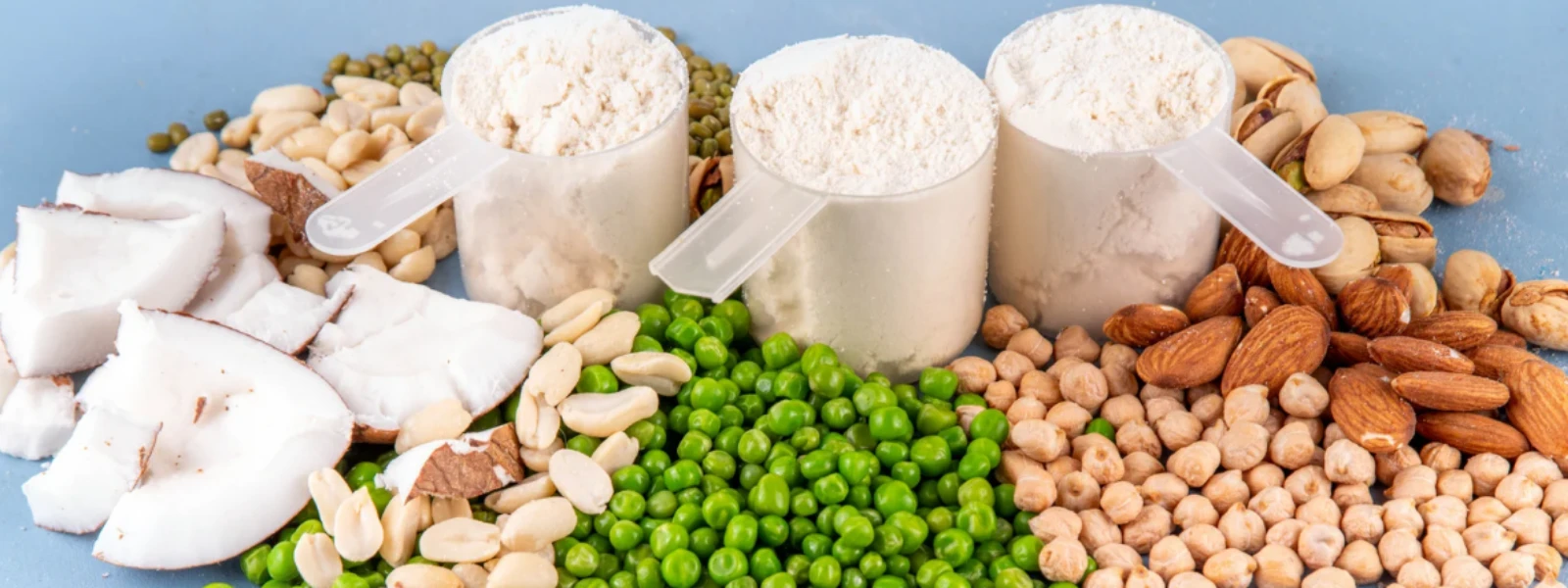


Plant-based eating has surged in popularity, but one question continues to challenge both newcomers and seasoned vegans: "Am I getting enough protein?" This concern often stems from outdated beliefs about plant proteins being inferior to animal sources. The truth is, with the right knowledge and strategic approach, plant proteins can fuel incredible transformations in muscle building, weight loss, and overall health.
This comprehensive guide will equip you with everything needed to master plant protein nutrition. You'll discover the best plant protein sources that rival traditional options, learn how to optimize amino acid profiles, and understand why plant-based proteins might actually offer superior benefits for long-term health and performance.
The foundation of successful plant protein nutrition lies in understanding amino acid profiles. Your body requires nine essential amino acids that it cannot produce on its own. While animal proteins naturally contain all nine, many plant proteins are considered "incomplete" because they lack one or more essential amino acids in optimal amounts.
Several plant-based protein sources naturally provide all essential amino acids in adequate proportions. Quinoa stands out as a nutritional champion, delivering 8 grams of complete protein per cooked cup along with fiber and minerals. This ancient grain contains all nine essential amino acids, making it an ideal foundation for any plant-based meal.
Soy products represent another category of complete plant protein sources. Tofu provides 10-20 grams of protein per serving depending on firmness, while tempeh offers additional benefits through fermentation, which enhances digestibility and adds beneficial probiotics. Edamame delivers 17 grams of protein per cup, making it an excellent snack or meal addition.
Hemp seeds deserve special recognition among vegan protein sources. Three tablespoons provide 10 grams of complete protein plus omega-3 fatty acids and minerals. Their nutty flavor makes them versatile for smoothies, salads, or yogurt toppings.
For incomplete proteins, strategic combining ensures you receive all essential amino acids. The classic rice and beans combination works because rice provides methionine while beans supply lysine - amino acids that complement each other perfectly. This pairing has sustained cultures worldwide for centuries.
Nuts and grains create another powerful combination. Almond butter on whole grain bread provides a complete amino acid profile while delivering sustained energy. The key is consuming complementary proteins within the same day, though not necessarily at the same meal.
Did You Know?
Your body maintains an amino acid pool throughout the day, so you don't need to combine proteins at every meal. Eating varied plant protein sources throughout the day naturally creates complete amino acid profiles.
Building a robust plant protein foundation requires knowing which foods deliver the highest protein content per serving. These high protein vegan foods can easily meet and exceed daily protein requirements when incorporated strategically.
Lentils lead the legume family with 18 grams of protein per cooked cup. Red lentils cook quickly and blend seamlessly into soups and curries, while green lentils hold their shape well in salads and grain bowls. Their high fiber content supports digestive health and helps regulate blood sugar levels.
Chickpeas provide 15 grams of protein per cup and offer incredible versatility. Roasted chickpeas make excellent snacks, while chickpea flour creates protein-rich pancakes and baked goods. Hummus delivers both protein and healthy fats, making it an ideal pre-workout snack.
Black beans contribute 15 grams of protein per cup along with antioxidants that support heart health. Their dark color indicates high anthocyanin content, compounds linked to reduced inflammation and improved cognitive function.
Seitan, made from wheat gluten, provides an impressive 25 grams of protein per 3.5-ounce serving. Its meat-like texture makes it popular among those transitioning to plant-based eating. However, those with gluten sensitivity should avoid this option.
Nutritional yeast offers 14 grams of protein per quarter cup plus B vitamins, including B12 when fortified. Its cheesy, nutty flavor enhances pasta dishes, popcorn, and salad dressings while boosting protein content significantly.
Spirulina, though used in smaller quantities, provides 8 grams of protein per two tablespoons. This blue-green algae also contains iron, B vitamins, and antioxidants. Adding spirulina powder to smoothies creates a nutrient-dense protein boost.
While whole foods should form the foundation of plant protein intake, high-quality protein powders can help meet increased needs for active individuals or those with higher protein requirements.
Pea protein isolate has gained popularity for good reason. It provides 25-30 grams of protein per serving with a complete amino acid profile. Pea protein digests easily and rarely causes digestive discomfort, making it suitable for sensitive stomachs.
Brown rice protein offers a hypoallergenic option for those with multiple food sensitivities. While lower in lysine, it combines well with pea protein to create a complete amino acid profile. Many best vegan protein powder formulations blend these two sources for optimal nutrition.
Hemp protein retains more of the whole food benefits compared to highly processed options. It provides protein along with fiber, healthy fats, and minerals. The protein content is lower at 15-20 grams per serving, but the additional nutrients make it valuable for overall health.
When selecting protein powders, prioritize products with third-party testing for purity and potency. Look for organic certification when possible to minimize pesticide exposure. Avoid products with artificial sweeteners, colors, or unnecessary additives that may cause digestive issues.
Multi-source protein blends often provide superior amino acid profiles compared to single-source options. These formulations combine complementary proteins to ensure complete nutrition while offering better taste and texture.
Research consistently shows that protein for weight loss strategies can be highly effective with plant-based sources. Plant proteins offer unique advantages for weight management and metabolic optimization.
Plant proteins typically require more energy to digest compared to refined carbohydrates or fats. This thermic effect means your body burns additional calories processing protein-rich meals. The fiber content in whole plant proteins further increases this effect while promoting satiety.
Studies indicate that plant protein for metabolism optimization works through multiple mechanisms. Plant proteins help maintain stable blood sugar levels, reducing insulin spikes that can promote fat storage. The fiber content slows digestion, providing sustained energy and reducing cravings between meals.
The gut microbiome thrives on diverse plant proteins and their accompanying fiber. A healthy gut microbiome supports optimal metabolism, immune function, and even mood regulation through the gut-brain connection.
Consuming plant protein throughout the day maintains steady amino acid availability for muscle protein synthesis. Aim for 20-30 grams of protein at each meal, with smaller amounts from snacks to reach daily goals.
Pre-workout plant protein can enhance performance and recovery. A smoothie with plant protein powder, banana, and spinach provides easily digestible fuel for exercise. Post-workout protein within two hours supports muscle recovery and adaptation.
Concerns about muscle building on plant-based diets have been largely debunked by recent research. Elite athletes across various sports thrive on vegetarian protein options, demonstrating that plant proteins can support serious athletic goals.
The key to muscle building lies in consuming adequate leucine, an amino acid that triggers muscle protein synthesis. While animal proteins are naturally high in leucine, strategic plant protein combining can achieve similar levels. Combining legumes with grains or adding hemp seeds to meals boosts leucine content effectively.
Research comparing plant and animal proteins for muscle building shows minimal differences when total protein and leucine intake are matched. The slightly lower digestibility of some plant proteins can be offset by consuming slightly higher amounts.
Many athletes report improved recovery and reduced inflammation when switching to plant-based proteins. The antioxidants and phytonutrients in plant foods may contribute to faster recovery between training sessions.
Plant proteins often come packaged with carbohydrates, which can benefit endurance athletes who need both protein for recovery and carbohydrates for glycogen replenishment. This natural combination supports both immediate recovery and long-term adaptations.
The plant protein benefits extend far beyond muscle building and weight management. Research reveals numerous health advantages that make plant proteins attractive for long-term wellness.
Plant proteins are associated with reduced cardiovascular disease risk compared to animal proteins. This benefit likely stems from the absence of saturated fat and cholesterol, plus the presence of fiber and phytonutrients that support heart health.
Studies following large populations over decades show that higher plant protein intake correlates with increased longevity. The anti-inflammatory compounds in plant foods may contribute to healthy aging and reduced disease risk.
Choosing alternative protein sources from plants significantly reduces environmental impact. Plant protein production requires less water, land, and energy while producing fewer greenhouse gas emissions compared to animal agriculture.
This environmental consideration increasingly influences food choices, especially among younger consumers who prioritize sustainability alongside personal health.
Lentils and tofu offer the ideal combination for newcomers to plant-based eating. Both provide complete or nearly complete amino acid profiles, cook easily, and adapt to various cuisines. Lentils require no special preparation and cost less than most protein sources, while tofu absorbs flavors well and provides versatility in cooking methods.
Active individuals building muscle should aim for 1.6-2.2 grams of protein per kilogram of body weight daily. For a 70-kilogram person, this equals 112-154 grams of protein. Distribute this across meals and snacks, emphasizing post-workout timing for optimal muscle protein synthesis.
While high-quality plant protein powders can supplement your intake, whole foods should remain the foundation. Whole plant proteins provide fiber, vitamins, minerals, and phytonutrients that isolated proteins lack. Use protein powder to bridge gaps in intake or for convenience around workouts, but prioritize diverse whole food sources for optimal nutrition.
Dried legumes offer the best protein value per dollar. Buying lentils, chickpeas, and black beans in bulk provides high-quality protein at a fraction of the cost of animal proteins or processed alternatives. Seasonal vegetables, nuts bought in bulk, and homemade plant milk from nuts or seeds also provide economical protein options.
No, strict protein combining at each meal is unnecessary. Your body maintains an amino acid pool throughout the day, so eating varied plant proteins over 24 hours naturally provides complete nutrition. Focus on including different protein sources throughout the day rather than perfecting combinations at individual meals.
Mastering plant protein nutrition opens doors to improved health, enhanced performance, and sustainable eating practices. The diverse world of plant proteins offers options for every taste preference, budget, and lifestyle. Start by incorporating one or two new plant protein sources into your current routine, gradually expanding your repertoire as you discover favorites. With consistent application of these principles, plant proteins can fuel your health and fitness goals while supporting long-term wellness and environmental sustainability.



