Omega 3 Foods: Your Complete Nutrition Guide
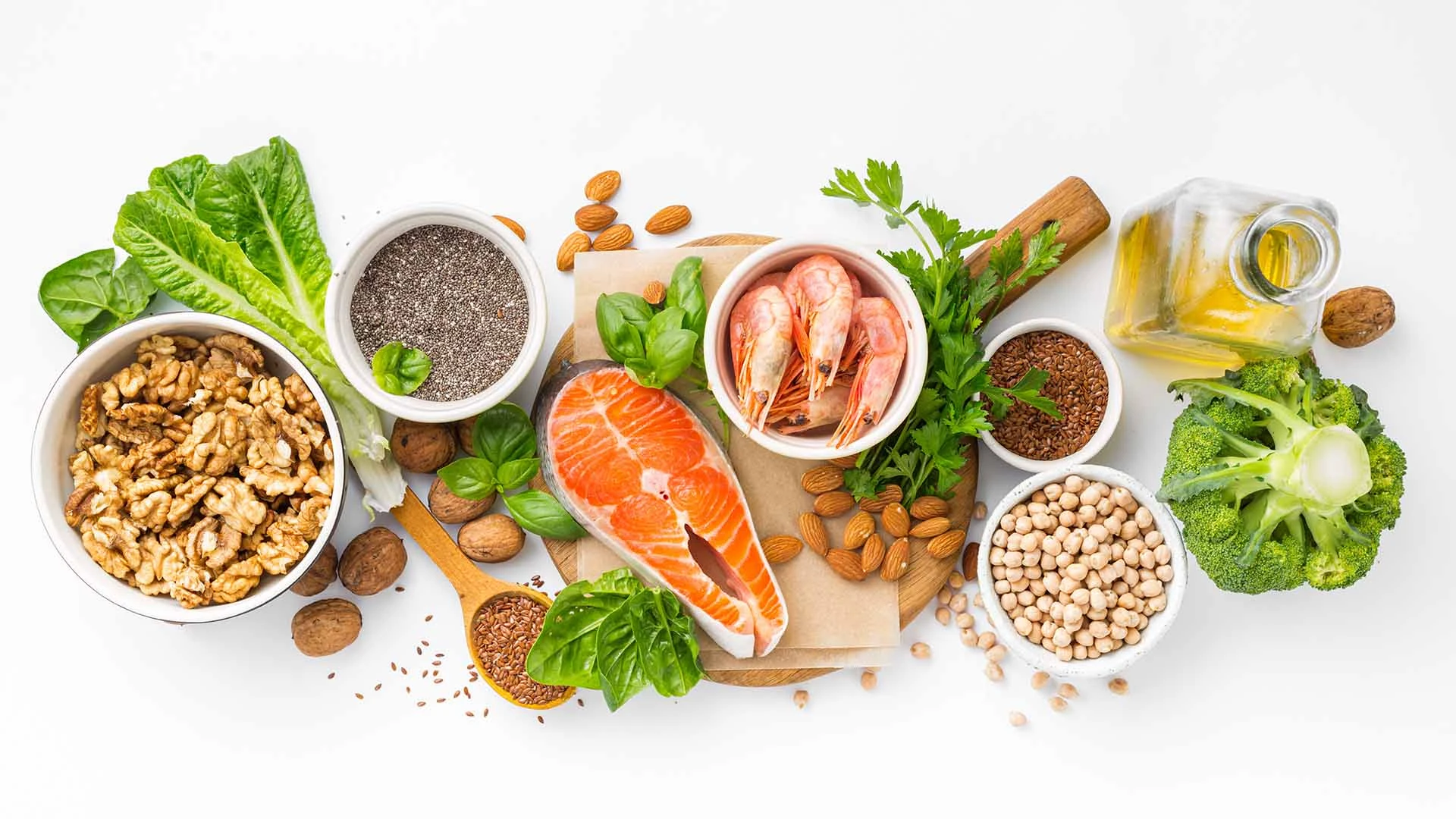


Your body needs omega 3 fatty acids to function properly, yet it cannot produce them on its own. These essential fats play crucial roles in brain function, heart health, and reducing inflammation throughout your body. Understanding which foods contain the highest amounts of omega 3s can help you make informed choices about your daily nutrition.
This comprehensive guide explores the best foods containing omega 3 fatty acids, from fatty fish to plant-based sources. You'll discover how to incorporate these nutrient-dense options into your diet, understand the differences between various types of omega 3s, and learn practical strategies for meeting your daily requirements through whole foods.
Omega 3 fatty acids are polyunsaturated fats that serve as building blocks for hormones and cell membranes. Your body requires three main types: EPA (eicosapentaenoic acid), DHA (docosahexaenoic acid), and ALA (alpha-linolenic acid). EPA and DHA come primarily from marine sources, while ALA is found in plant foods.
These healthy fats support cardiovascular health by reducing triglyceride levels and blood pressure. Research shows that regular consumption of omega 3 rich foods may lower the risk of heart disease by up to 30%. They also play vital roles in brain development and function, with DHA making up about 8% of brain weight.
The anti-inflammatory properties of omega 3s help combat chronic inflammation linked to various health conditions. Adults should aim for 250-500mg of combined EPA and DHA daily, or 1.1-1.6g of ALA for those following plant-based diets. Signs of deficiency include dry skin, fatigue, poor concentration, and joint stiffness.
Fatty fish provide the most bioavailable forms of omega 3 fatty acids. Wild-caught salmon contains approximately 1,500-2,000mg of omega 3s per 3.5-ounce serving, with farmed salmon offering slightly higher amounts due to their diet. However, wild salmon typically has a better omega 3 to omega 6 ratio.
Mackerel ranks among the richest sources, delivering over 4,000mg per serving. Sardines and anchovies offer excellent nutrition density with 1,400-2,000mg per serving, plus they're lower in mercury due to their smaller size and shorter lifespan. Fresh tuna, herring, and rainbow trout also provide substantial amounts ranging from 1,000-1,500mg per serving.
To preserve omega 3 content, choose gentle cooking methods like baking, steaming, or poaching. High-heat cooking can break down these delicate fats. Store fresh fish properly and consume within two days of purchase for optimal nutritional value.
Flaxseeds lead plant-based sources with about 2,300mg of ALA per tablespoon when ground. Whole flaxseeds pass through your digestive system largely intact, so grinding them fresh maximizes absorption. Chia seeds provide approximately 1,750mg per tablespoon and can be easily added to smoothies, yogurt, or oatmeal.
Walnuts contain roughly 2,500mg of ALA per ounce, making them an excellent snack option. Hemp seeds offer about 1,000mg per tablespoon along with complete protein. Soybeans and edamame provide moderate amounts of ALA while delivering additional protein and fiber.
Did You Know?
Your body converts only 5-10% of plant-based ALA into EPA and DHA. Women typically have higher conversion rates than men due to estrogen's influence on fatty acid metabolism.
Food manufacturers now fortify various products with omega 3s to help consumers meet their daily needs. Omega 3 enriched eggs from hens fed flaxseed or algae diets contain 100-600mg per egg, significantly higher than conventional eggs. Some yogurts and milk products are fortified with marine-derived omega 3s.
Algal oil supplements provide EPA and DHA without fish, making them suitable for vegetarians and vegans. These supplements derive from the same algae that fish consume, offering a direct source of marine omega 3s. Some breakfast cereals and fruit juices are also fortified, though amounts vary widely between brands.
Plant-based diets can provide adequate omega 3s through careful food selection and planning. Focus on ALA-rich foods like ground flaxseeds, chia seeds, hemp hearts, and walnuts. Include these foods daily to meet your ALA requirements, keeping in mind the limited conversion to EPA and DHA.
Combining omega 3 rich foods with foods that enhance absorption can improve utilization. Consuming healthy fats together, such as adding ground flaxseeds to avocado toast, may boost absorption. Limiting omega 6 intake from processed oils can also improve the omega 3 to omega 6 ratio.
Consider algae-based supplements if you're concerned about meeting EPA and DHA needs through plants alone. These supplements provide direct sources of marine omega 3s without requiring conversion from ALA. Consult with a healthcare provider to determine if supplementation is appropriate for your individual needs.
While fruits and vegetables aren't primary omega 3 sources, some contain notable amounts. Avocados provide about 110mg of omega 3s per cup, along with monounsaturated fats that support heart health. Their creamy texture makes them versatile additions to meals and snacks.
Berries like strawberries and raspberries contain small amounts of ALA, typically 25-50mg per cup. Kiwi fruit provides modest omega 3 content while delivering high amounts of Vitamin C. These fruits contribute to overall omega 3 intake when consumed regularly as part of a varied diet.
Leafy greens including spinach, kale, and Brussels sprouts contain ALA in smaller concentrations. While amounts are modest compared to seeds and nuts, these vegetables provide numerous other nutrients and can contribute to daily omega 3 goals when eaten frequently.
Research consistently demonstrates omega 3s' importance for brain health throughout life. DHA comprises about 40% of polyunsaturated fatty acids in the brain and supports memory formation, learning, and cognitive function. Regular consumption of foods high in omega 3 may help maintain mental sharpness as you age.
Studies suggest that people who eat fatty fish regularly have larger brain volumes and better cognitive test scores. The anti-inflammatory effects of omega 3s may protect against age-related cognitive decline and support mood regulation. EPA appears particularly beneficial for mood, while DHA supports memory and learning.
For optimal brain health benefits, aim to include fatty fish in your diet 2-3 times per week. If you follow a plant-based diet, focus on daily consumption of ground flaxseeds, chia seeds, or walnuts, and consider algae-based supplements for direct EPA and DHA sources.
Start your week by planning meals that incorporate various omega 3 sources. Aim for fatty fish twice weekly, and include plant-based sources daily. Prepare ground flaxseeds in advance and store them in the refrigerator for easy addition to smoothies, oatmeal, or yogurt.
Cook fish using methods that preserve omega 3 content. Baking, steaming, and poaching work well, while deep frying can damage these delicate fats. Store nuts and seeds in airtight containers in cool, dark places to prevent rancidity. Consider freezing portions of nuts and seeds for longer storage.
Budget-friendly options include canned sardines, frozen salmon fillets, and bulk purchases of nuts and seeds. Canned fish often costs less than fresh while providing similar nutritional benefits. Look for sales on frozen fatty fish, which maintains its omega 3 content when properly stored.
Modern diets often contain excessive omega 6 fatty acids from processed foods and vegetable oils. The ideal omega 6 to omega 3 ratio ranges from 2:1 to 4:1, but typical Western diets may reach 15:1 or higher. This imbalance can promote inflammation and reduce omega 3 benefits.
Reduce omega 6 intake by limiting processed foods, fried foods, and oils high in omega 6 like corn, soybean, and sunflower oils. Choose cooking oils lower in omega 6, such as olive oil or avocado oil. Focus on whole foods and increase omega 3 rich foods to improve your overall ratio.
Whole food sources of omega 3s provide additional nutrients like protein, vitamins, and minerals that supplements lack. Fish also contains selenium, which works synergistically with omega 3s. However, supplements can be useful for people who don't eat fish regularly or have increased needs.
Quality varies significantly among omega 3 supplements. Look for third-party testing for purity and potency, and choose supplements that specify EPA and DHA amounts. Fish oil supplements should be stored properly to prevent rancidity, while algae-based options suit vegetarians and vegans.
Consider supplements if you're pregnant, breastfeeding, or have specific health conditions that increase omega 3 needs. However, most people can meet their requirements through dietary sources when planned thoughtfully. Consult healthcare providers before starting supplements, especially if you take medications or have health conditions.
Fatty fish like mackerel, salmon, and sardines contain the highest concentrations of omega 3s, particularly EPA and DHA. Mackerel provides over 4,000mg per serving, making it one of the richest sources available.
While possible, meeting EPA and DHA needs through plants alone requires careful planning due to low conversion rates of ALA. Most plant-based eaters benefit from algae-based supplements to ensure adequate EPA and DHA intake.
Adults should aim for 250-500mg of combined EPA and DHA daily from fish sources, or 1.1-1.6g of ALA for those following plant-based diets. Pregnant women and people with certain health conditions may need higher amounts.
Common signs include dry skin, brittle hair and nails, fatigue, poor concentration, joint stiffness, and mood changes. However, these symptoms can have multiple causes, so consult a healthcare provider for proper evaluation.
Yes, high-heat cooking methods like deep frying can reduce omega 3 content. Gentle cooking methods such as baking, steaming, poaching, or grilling at moderate temperatures help preserve these beneficial fats.
Foods containing omega 3 fatty acids offer powerful benefits for brain health, heart function, and overall wellness. From fatty fish providing EPA and DHA to plant-based sources rich in ALA, numerous options exist to meet your daily omega 3 needs. The key lies in incorporating these foods regularly into your diet while maintaining proper balance with omega 6 intake. Whether you choose marine sources, plant-based options, or a combination of both, consistent consumption of omega 3 rich foods supports long-term health and vitality. Consider your individual dietary preferences, health goals, and lifestyle when selecting the best omega 3 sources for your needs.



