Retinol Rich Foods: A Step-by-Step Guide to Boosting Skin Health
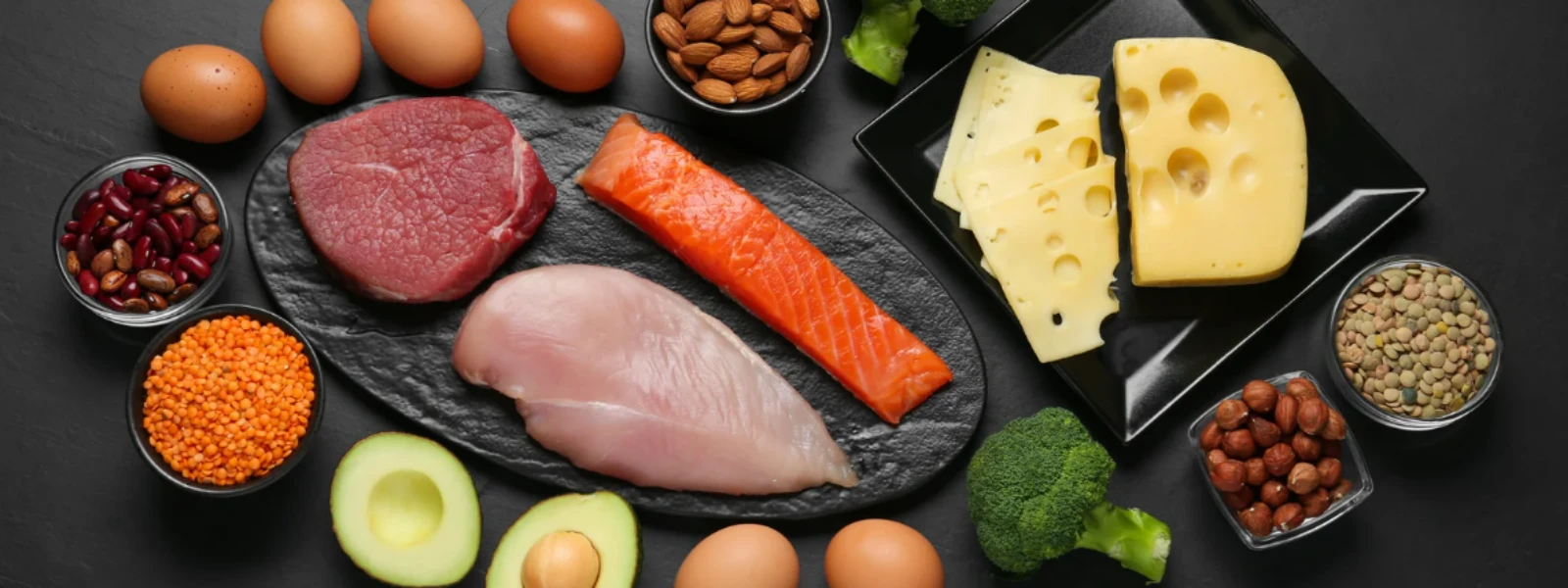


Your skin's health reflects what you put into your body. While many people focus on expensive skincare products, the secret to glowing, youthful skin might be sitting right on your dinner plate. Retinol rich foods offer a natural pathway to healthier skin while supporting your body's metabolism and overall wellbeing.
This comprehensive guide will walk you through everything you need to know about incorporating retinol rich foods into your daily routine. You'll discover which foods pack the most retinol punch, how to prepare them for maximum absorption, and why this vitamin A powerhouse is essential for both your skin and metabolic health.
Retinol is the active form of Vitamin A that your body can use immediately. Unlike its plant-based cousin beta-carotene, which needs conversion in your body, retinol is ready to work the moment it enters your system. This fat-soluble vitamin plays crucial roles in cell regeneration, immune function, and maintaining healthy vision.
Your body stores retinol primarily in your liver, releasing it when needed for various biological processes. This storage system means you don't need to consume retinol daily, but maintaining adequate levels through consistent intake of retinol rich foods ensures optimal function.
The retinol benefits for skin health are remarkable and scientifically proven. Retinol accelerates cell turnover, helping your skin shed old, damaged cells and reveal fresh, healthy ones underneath. This process reduces the appearance of fine lines, improves skin texture, and creates a more even skin tone.
Research shows that adequate retinol levels support collagen production, the protein responsible for skin elasticity and firmness. When combined with other skin-supporting nutrients, retinol becomes even more effective at maintaining youthful skin appearance.
Beyond skin health, retinol plays a significant role in retinol metabolism and may influence retinol and weight management. Studies suggest that Vitamin A deficiency can affect your body's ability to regulate fat storage and energy metabolism. Adequate retinol levels support healthy metabolic function, though it's important to note that retinol for weight loss works best as part of a comprehensive healthy lifestyle approach.
Beef liver tops the list of retinol sources, containing approximately 6,500 micrograms of retinol per 100 grams. Chicken liver follows closely with about 3,300 micrograms per 100 grams. These organ meats provide more retinol than you'd typically need in a day, making them extremely efficient sources.
Fish liver, particularly cod liver, offers another excellent option. Cod liver oil has been a traditional source of Vitamin A for generations, providing concentrated retinol in an easily absorbed form.
Eggs provide a more accessible way to include retinol in your diet. One large egg contains approximately 80 micrograms of retinol, primarily concentrated in the yolk. The retinol in eggs comes with other beneficial nutrients like protein and healthy fats that support absorption.
Free-range and pasture-raised eggs typically contain higher retinol levels than conventional eggs, as the hens' varied diet includes more Vitamin A-rich plants and insects.
Whole milk, cheese, and yogurt provide moderate amounts of retinol while being easy to incorporate into daily meals. Full-fat dairy products contain more retinol than their low-fat counterparts since Vitamin A is fat-soluble and naturally occurs in the fat portion of dairy.
Salmon, herring, and trout offer retinol along with beneficial omega-3 fatty acids. These fish provide a double benefit for skin health, as omega-3s support skin barrier function while retinol promotes cell renewal.
Did You Know?
Your body absorbs retinol from animal sources much more efficiently than beta-carotene from plants. While you need about 12 micrograms of beta-carotene to equal 1 microgram of retinol, animal sources provide ready-to-use retinol that requires no conversion.
Retinol rich vegetables actually contain beta-carotene, which your body converts to retinol as needed. Carrots lead this category, with one medium carrot providing about 500 micrograms of beta-carotene equivalent to roughly 40 micrograms of retinol.
Sweet potatoes offer exceptional beta-carotene content, with one medium baked sweet potato containing over 1,000 micrograms of beta-carotene. The orange flesh indicates high beta-carotene levels, making sweet potatoes one of the most efficient plant sources.
Dark leafy greens like spinach, kale, and collard greens provide significant beta-carotene despite their green color. The chlorophyll masks the orange pigments, but these vegetables are excellent sources of pro-Vitamin A.
Red bell peppers, pumpkin, and winter squash round out the top retinol rich vegetables. These colorful vegetables not only provide beta-carotene but also offer other antioxidants that work synergistically with Vitamin A.
Retinol rich fruits offer a delicious way to boost your Vitamin A intake. Mangoes provide substantial beta-carotene along with Vitamin C, which supports collagen synthesis for healthy skin. One cup of sliced mango contains approximately 180 micrograms of beta-carotene.
Cantaloupe melon offers refreshing hydration along with beta-carotene. Its orange flesh signals high pro-Vitamin A content, making it an excellent summer choice for skin health.
Dried apricots concentrate beta-carotene into small, portable packages. However, fresh apricots also provide good amounts of pro-Vitamin A along with hydrating water content.
Creating a retinol rich foods list for your weekly meal planning ensures consistent intake without overwhelming your system. Start your day with eggs or yogurt, include orange vegetables in lunch, and consider incorporating liver or fatty fish into dinner once or twice weekly.
Balance is key when planning retinol intake. Since Vitamin A is fat-soluble, consuming too much can lead to toxicity. Focus on variety rather than excessive amounts of any single source.
Proper cooking techniques maximize the bioavailability of retinol and beta-carotene. Light cooking actually improves beta-carotene absorption from vegetables by breaking down cell walls. Steaming, roasting, or light sautéing work well for most vegetables.
Adding healthy fats like olive oil, avocado, or nuts to beta-carotene-rich vegetables significantly improves absorption. The fat-soluble nature of Vitamin A means it needs dietary fat for optimal uptake.
Avoid overcooking, which can destroy heat-sensitive nutrients. Gentle cooking methods preserve more of the beneficial compounds while making them more bioavailable.
Combining different retinol sources throughout the day provides steady levels without peaks and valleys. Include a mix of animal and plant sources to benefit from both immediate retinol and the body's natural conversion of beta-carotene.
Zinc plays a crucial role in Vitamin A metabolism, so including zinc-rich foods like seeds, nuts, and lean meats supports optimal retinol utilization. This synergistic approach maximizes the benefits of your dietary choices.
Retinol supplements come in various forms, including retinyl palmitate, retinyl acetate, and beta-carotene supplements. Each has different absorption characteristics and safety profiles. Beta-carotene supplements are generally safer since your body only converts what it needs to retinol.
Some comprehensive supplements combine retinol with other skin-supporting nutrients like Vitamin C, Vitamin E, and minerals that work synergistically for optimal skin health.
While retinol supplements can be beneficial, they require careful consideration. The recommended daily allowance for Vitamin A is 900 micrograms for men and 700 micrograms for women. Excessive intake can lead to toxicity, particularly with preformed retinol supplements.
Pregnant women need special caution with retinol supplements, as excessive intake can cause birth defects. Always consult healthcare providers before starting any supplementation regimen, especially during pregnancy or if you have underlying health conditions.
Retinol skin care works best when you combine internal nutrition with external care. While dietary retinol supports skin health from within, topical retinol products can provide additional benefits for specific skin concerns.
The combination approach allows you to address skin health comprehensively. Internal nutrition provides the building blocks for healthy skin cell production, while topical products can target specific areas or concerns more directly.
Nutrients like collagen peptides work synergistically with retinol to support skin structure and elasticity. When your body has adequate retinol levels, it can better utilize other skin-supporting nutrients from your diet or supplements.
This holistic approach to skin health recognizes that beautiful skin results from multiple factors working together rather than relying on any single intervention.
Beef liver contains the highest concentration of retinol among all foods, providing approximately 6,500 micrograms per 100 grams. This makes it the most potent dietary source of ready-to-use Vitamin A, though it should be consumed in moderation due to its extremely high content.
Foods highest in retinol include organ meats like liver, kidney, and heart, followed by fatty fish such as salmon and mackerel, eggs, and full-fat dairy products. Plant foods don't contain retinol directly but provide beta-carotene, which your body converts to retinol as needed.
You can get retinol naturally by consuming animal products like liver, eggs, dairy, and fatty fish for direct retinol, or by eating colorful fruits and vegetables like carrots, sweet potatoes, spinach, and mangoes for beta-carotene that your body converts to retinol.
Yes, eggs contain retinol, particularly in the yolk. One large egg provides approximately 80 micrograms of retinol. Eggs from pasture-raised hens typically contain higher levels of retinol compared to conventional eggs due to the hens' more varied, nutrient-rich diet.
While plant foods provide beta-carotene that converts to retinol, the conversion rate varies among individuals and isn't always efficient. Those following plant-based diets should focus on consuming a variety of orange and dark green vegetables and may benefit from monitoring their Vitamin A status through regular health checkups.
Incorporating retinol rich foods into your diet offers a natural, effective approach to supporting skin health and overall wellbeing. From the retinol powerhouse of liver to the beta-carotene abundance in colorful vegetables and fruits, nature provides diverse options to meet your Vitamin A needs. The key lies in understanding the different sources, optimizing absorption through proper preparation and combinations, and maintaining consistent intake through thoughtful meal planning. Whether you choose animal sources for direct retinol or plant sources for beta-carotene conversion, the path to healthier skin starts with the nutritious choices you make every day. Remember that sustainable skin health results from a holistic approach combining proper nutrition, adequate hydration, and a balanced lifestyle that supports your body's natural renewal processes.



