


Cabbage Leaf (Brassica oleracea var capitata)
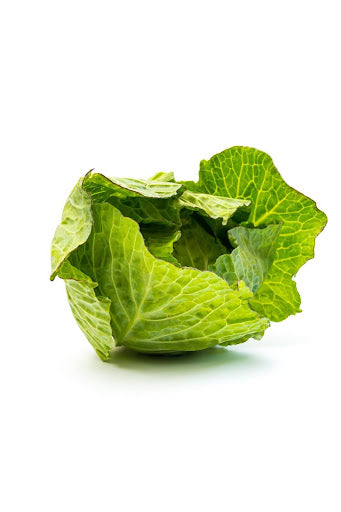
What is Cabbage?
Cabbage (Brassica oleracea var capitata) is a nutrient-dense vegetable known for its impressive health benefits. It is packed with essential vitamins like vitamin C and K, minerals, and dietary fiber, making it a powerhouse for overall wellness. Cabbage leaf also contains phytonutrients like glucosinolates, which support detoxification and protect against oxidative stress. Its role in promoting digestive health, reducing inflammation, and boosting immunity makes it a valuable ingredient for a balanced and healthy lifestyle.
Top features & benefits
| Promotes gut motility | Aids detoxification | Boosts immunity |
| Reduces inflammation | Alleviates oxidative stress | Promotes bone health |
| Promotes youthful, radiant skin | Helps regulate blood sugar | Promotes healthy gut flora |
Featured collection

₹1,119Regular price
₹1,399
Sale price20% off

Have questions about Cabbage Leaf
We’ve got the answers!
Cabbage is rich in vitamin C, vitamin K, dietary fiber, folate, and antioxidants like polyphenols and glucosinolates.
Its fiber content promotes regular bowel movements, while prebiotic properties support the growth of beneficial gut bacteria, ensuring a healthy digestive system.
Yes, glucosinolates in cabbage are converted into compounds like sulforaphane, which assist the liver in detoxifying harmful substances.
Yes! Its high vitamin C content helps boost white blood cell production, enhancing immunity.
Yes, antioxidants and phytonutrients in cabbage help neutralize free radicals and lower inflammation throughout the body.
Yes, antioxidants in cabbage combat oxidative stress, promoting clearer, more youthful-looking skin.
Yes, cabbage has a low glycemic index and contains compounds that help regulate blood sugar levels, making it a good option for those managing diabetes.
Yes, it is rich in vitamin K, which enhances calcium absorption and supports bone density and strength.
Pregnant and breastfeeding women should always consult a healthcare professional before starting any supplements.


