Copper

img-main-image

What is Copper?

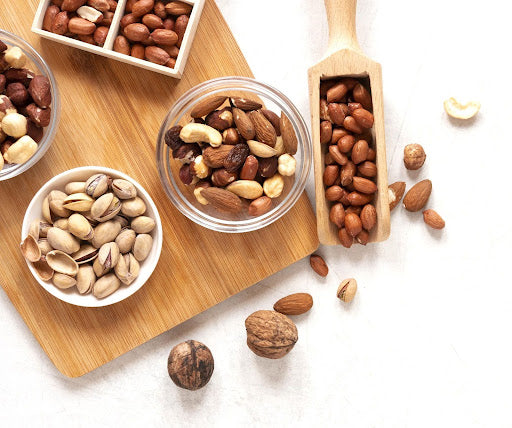
Copper is an essential trace mineral that plays a vital role in numerous physiological processes. Found naturally in nuts, seeds, shellfish, whole grains, and dark leafy greens, copper is crucial for the production of red blood cells, the proper functioning of the immune system, and maintaining connective tissue health. It also supports brain development and cardiovascular function.

Top features & benefits

Enhances red blood cell production Supports iron absorption and utilization Strengthens immune function
Helps support skin health Protects against oxidative stress Aids energy production
Supports cognitive health Improves bone health

How Does Copper Work?

  • Copper is a key cofactor for several enzymes, collectively known as cuproenzymes, which are involved in essential biological functions.
  • Copper assists enzymes in mitochondrial energy production, ensuring your cells have the energy they need to function.
  • It helps convert dietary iron into a form the body can use, aiding in the production of red blood cells and preventing anemia.
  • Copper-dependent enzymes like lysyl oxidase support the formation and maintenance of connective tissues, including skin, bones, and blood vessels.
  • Copper contributes to antioxidant activity by being part of superoxide dismutase (SOD), an enzyme that neutralizes harmful free radicals, reducing oxidative stress.
  • It enhances the activity of white blood cells, bolstering the immune system's ability to fight infections.
  • Copper is essential for neurotransmitter synthesis and the formation of myelin sheaths that protect nerve cells, supporting cognitive health.
  • Additionally, copper is involved in melanin production, which determines skin and hair pigmentation. 

By working synergistically with other minerals and enzymes, copper ensures your body’s metabolic, structural, and immune systems function optimally.

Have questions?
We’ve got the answers!