


Iron
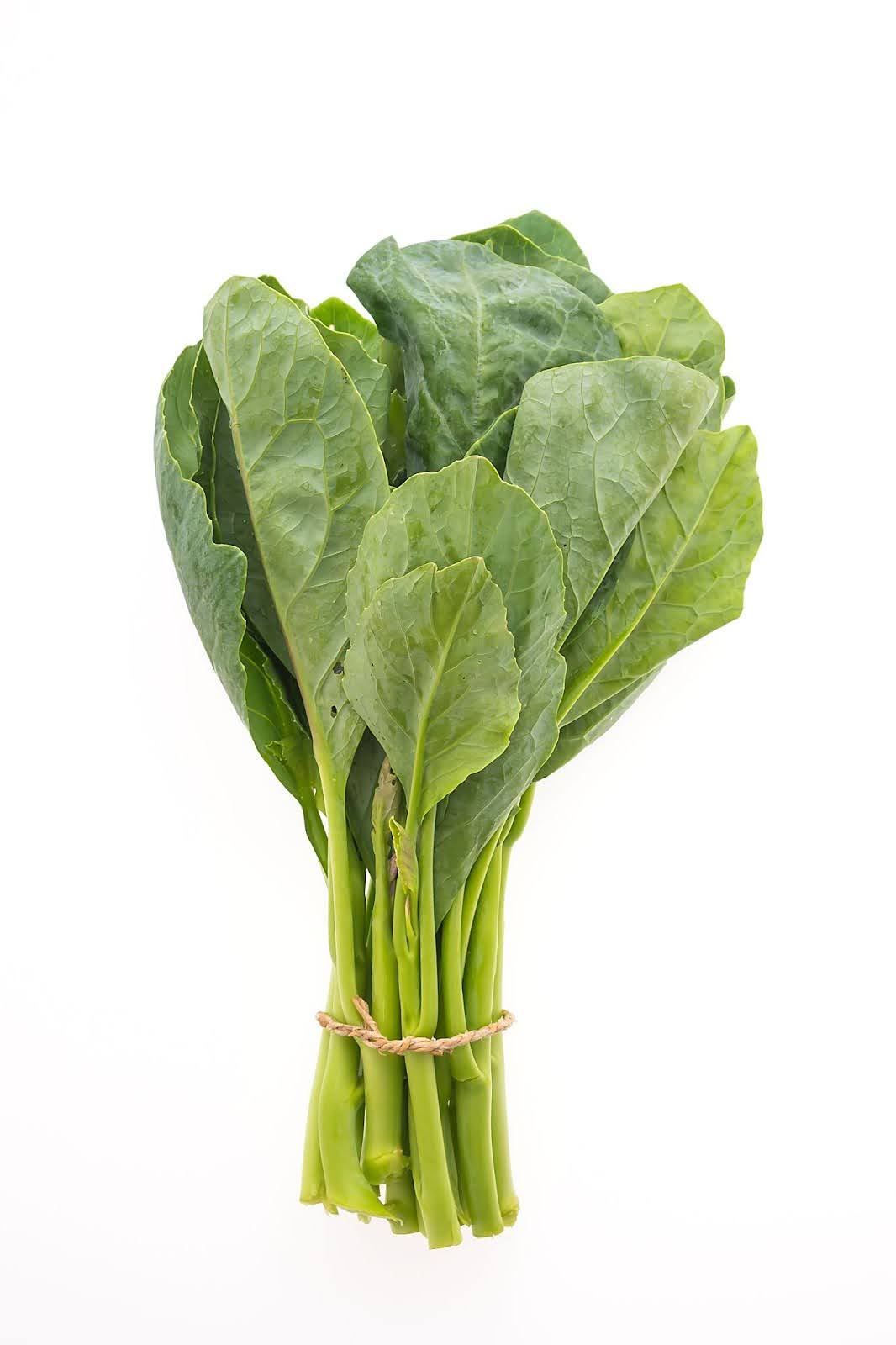
What is Iron?
Iron is an essential mineral that plays a fundamental role in overall health. It is a key component of haemoglobin, the protein in red blood cells responsible for carrying oxygen throughout the body. This process is vital for maintaining energy levels, supporting brain function, and strengthening the immune system.
Iron occurs naturally in foods like spinach, lentils, red meat, and fortified cereals. However, some individuals, such as those with iron-deficiency anaemia, pregnant women, athletes, and vegetarians, may require supplementation to meet their daily needs.
Source:
| Found in | Oryza Sativa (Asian rice), Medicago Sativa (Alfalfa) & Chlorella |
| Origin | USA |
Top features & benefits
| Boosts energy levels | Helps reduce fatigue | Helps improve hemoglobin levels |
| Supports oxygen transport | Enhances the immune system | Helps support fetal development |
| Aids in DNA synthesis and cellular function | Improves skin health |
Featured collection

₹1,357
Regular price
₹1,399
Sale price3% off


₹1,357
Regular price
₹1,399
Sale price3% off

₹1,357
Regular price
₹1,399
Sale price3% off
Have questions?
We’ve got the answers!
Iron is a mineral essential for producing haemoglobin and ensuring oxygen transport in the body. It’s crucial for energy, immunity, and brain health.
No, iron supplements are available over the counter. However, it’s recommended to consult a doctor to determine the appropriate dosage.
Yes, iron is essential to support maternal health and fetal development. However, it's best to consult a doctor before starting any supplement during pregnancy or breastfeeding.
Some individuals may experience mild side effects like constipation or nausea. Taking iron with food can help minimize discomfort.
Iron supports the production of haemoglobin, ensuring efficient oxygen delivery to cells, which boosts energy and reduces fatigue.
Yes, iron enhances brain health by supporting neurotransmitter production and ensuring adequate oxygen supply for optimal focus and memory.
Symptoms include fatigue, weakness, pale skin, shortness of breath, dizziness, and brittle nails.
Iron supports muscle performance by delivering oxygen to tissues, improving endurance, and aiding in recovery.
Iron is best absorbed on an empty stomach, but if it causes discomfort, you can take it with food rich in vitamin C to enhance absorption.





