





Spinach leaf (Spinacia oleracea L.)
What is Spinach Leaf?
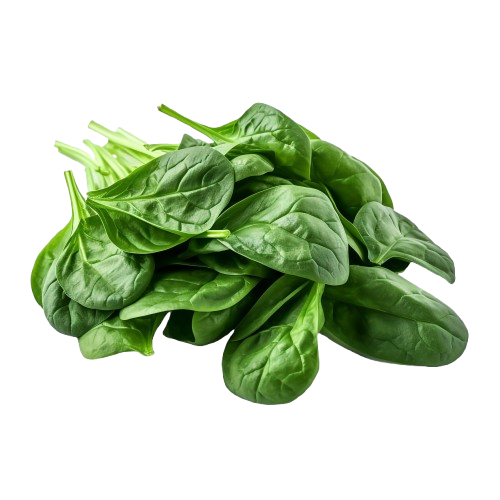
Spinach leaf (Spinacia oleracea L.) is a nutrient-dense green leafy vegetable renowned for its rich profile of vitamins, minerals, and antioxidants. It is a natural source of iron, calcium, magnesium, potassium, and Vitamin K, alongside a wealth of other essential nutrients such as Vitamins A, C, E, and B-complex. Spinach is also packed with lutein, zeaxanthin, and chlorophyll, compounds known for their powerful antioxidant and anti-inflammatory properties. This superfood plays a crucial role in supporting overall health and vitality.
Top features & benefits
| Helps boost energy levels | Supports bone health | Enhances eye health |
| Improves cardiovascular function | Fights inflammation | Supports immunity |
| Promotes digestive health |


Have questions about Spinach Leaf?
We’ve got the answers!
No, spinach leaf supplements are dietary products and do not require a prescription.
Spinach is generally safe, but excessive consumption may lead to oxalate buildup, which could contribute to kidney stones in susceptible individuals.
Pregnant and breastfeeding women should always consult a healthcare professional before starting any supplements.
Spinach is rich in calcium, magnesium, and Vitamin K, which are vital for maintaining bone strength and density.
Yes, antioxidants like lutein and zeaxanthin in spinach protect the eyes from oxidative stress and prevent vision issues like macular degeneration.
Yes, the nitrates in spinach improve blood circulation and help regulate blood pressure.
Spinach is high in Vitamin C, which strengthens the immune system by supporting white blood cell production and combating free radicals.
Yes, spinach contains dietary fiber that supports digestive health, promotes regularity, and maintains a healthy gut microbiome.
Yes, the antioxidants and Vitamin C in spinach help combat oxidative damage, promote collagen production, and support healthy, glowing skin.


 DOWNLOAD NOW

