


Vitamin B1
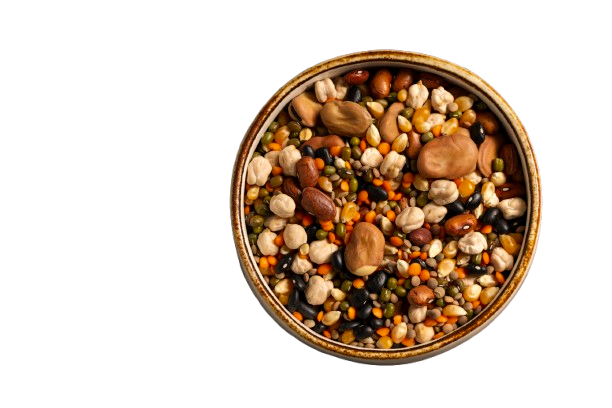
What is Vitamin B1?
Vitamin B1, also known as Thiamine, is a water-soluble vitamin that plays a crucial role in maintaining overall health. It is essential for converting carbohydrates into energy, supporting the nervous system, and ensuring proper muscle function. As one of the B-vitamins, thiamine is vital for the proper functioning of the heart, brain, and muscles. It is commonly found in foods like whole grains, beans, nuts, and seeds, and is typically absorbed in the small intestine.
Top features & benefits
| Supports energy production | Helps support digestion | Promotes nervous system health |
| Enhances cognitive function | Promotes mental clarity | Supports cardiovascular function |
| Enhances physical performance | Helps regulate mood | Helps reduce stress |
Featured collection

₹1,189
Regular price
₹1,399
Sale price15% off


₹1,189
Regular price
₹1,399
Sale price15% off

₹1,189
Regular price
₹1,399
Sale price15% off
Have questions about Vitamin B1?
We’ve got the answers!
Vitamin B1, also known as Thiamine, is an essential nutrient that supports energy production, nervous system health, and muscle function. It plays a vital role in converting carbohydrates into energy and supporting brain and heart health.
Vitamin B1 is essential for converting carbohydrates into glucose, which is used by the body as energy. This process ensures that your cells, tissues, and organs receive the fuel they need to function optimally.
Yes, Vitamin B1 supports the nervous system, which is essential for mental clarity, focus, and cognitive function. It helps in the production of acetylcholine, a neurotransmitter that plays a role in memory and cognition.
Vitamin B1 supports energy production, promotes a healthy nervous system, supports muscle function, contributes to heart health, and aids in digestion and nutrient absorption.
Vitamin B1 supports cardiovascular function by contributing to the production of ATP (adenosine triphosphate), which is required for the proper functioning of the heart muscles. It helps maintain healthy blood circulation.
Yes, Vitamin B1 can help reduce stress by supporting neurotransmitter functions that regulate mood and stress responses, helping you feel more relaxed and balanced.
Vitamin B1 is found in a variety of foods such as whole grains, beans, nuts, seeds, and pork. While many people can get sufficient amounts through diet, some may need supplements, especially if they have a deficiency.
Vitamin B1 is generally safe and well-tolerated by most people. Since it is a water-soluble vitamin, any excess is usually excreted in the urine. However, it’s always best to consult with a healthcare provider before starting supplementation, especially if you have any pre-existing conditions.
Pregnant and breastfeeding women should always consult with a healthcare provider before starting any new supplement.
Vitamin B1 plays a vital role in muscle function by supporting the metabolism of carbohydrates, fats, and proteins, which are essential for muscle health and performance. It also helps with proper muscle contraction, ensuring better physical endurance.





