


Vitamin B2
What is Vitamin B2?
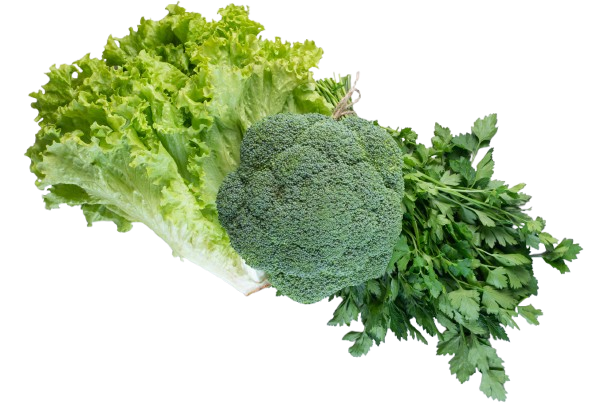
Vitamin B2, also known as Riboflavin, is a water-soluble vitamin that plays an essential role in various bodily functions. It is crucial for maintaining healthy skin, eyes, and nervous system, and it helps to convert food into usable energy. Riboflavin is naturally found in many foods, including dairy products, eggs, green leafy vegetables, and fortified cereals. It acts as a coenzyme in several metabolic processes, helping to metabolize carbohydrates, fats, and proteins.
Top features & benefits
| Enhances energy production | Helps support metabolism | Supports healthy skin |
| Helps reduce oxidative stress | Supports cognitive function | Helps promote healthy vision |
| Enhances iron absorption | Strengthens the immune system |
Featured collection

₹1,357
Regular price
₹1,399
Sale price3% off


₹1,357
Regular price
₹1,399
Sale price3% off

₹1,357
Regular price
₹1,399
Sale price3% off
Have questions about Vitamin B2?
We’ve got the answers!
Vitamin B2, or Riboflavin, is a water-soluble vitamin that plays a critical role in energy production, supporting skin and eye health, and maintaining nervous system function. It is essential for converting food into usable energy and ensuring optimal bodily functions.
Vitamin B2 is a vital part of the coenzymes FAD and FMN, which help convert carbohydrates, fats, and proteins into energy. This ensures that your body has a consistent and efficient supply of energy for daily activities.
Yes, Vitamin B2 supports skin health by preventing conditions like acne, dermatitis, and other skin irritations. It also helps in wound healing and maintaining a healthy, glowing complexion.
Absolutely! Vitamin B2 helps prevent oxidative damage to eye tissues and contributes to overall eye health. It is known to play a role in preventing cataracts and other age-related eye conditions.
Vitamin B2 supports energy production, promotes healthy skin and eyes, provides antioxidant protection, supports nervous system function, enhances iron metabolism, and boosts immune health.
Vitamin B2 helps produce neurotransmitters, which are essential for communication between nerve cells. Adequate levels of riboflavin help maintain cognitive function, mental clarity, and memory.
Yes, Vitamin B2 supports the absorption of iron and helps produce red blood cells. This makes it crucial for preventing iron-deficiency anemia and maintaining proper blood health.
Vitamin B2 is generally safe when taken at recommended doses. It is water-soluble, so any excess is typically excreted through urine. However, taking excessive amounts may cause bright yellow urine. Always consult with a healthcare provider if you're concerned about dosage.
Pregnant and breastfeeding women should always consult with a healthcare provider before starting supplementation.
Vitamin B2 is found in a variety of foods such as dairy products, eggs, green leafy vegetables, almonds, mushrooms, and fortified cereals. Including these foods in your diet can help you maintain adequate levels of B2.





