Zinc

img-main-image

What is Zinc?

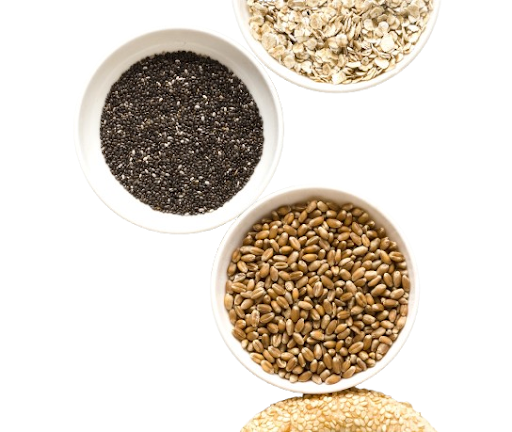
Zinc is an essential trace mineral required for numerous enzymatic reactions and biological functions in the body. Found naturally in foods like nuts, seeds, whole grains, dairy, and shellfish, zinc is vital for immune function, wound healing, cellular repair, and maintaining healthy skin and hair. It also plays a critical role in supporting growth, hormonal balance, and reproductive health.

Top features & benefits

Boosts Immune Function Supports Wound Healing Boosts Skin Health
Enhances Cellular Repair and Growth Promotes Hormonal Balance and Fertility Improves Cognitive Function
Supports Mood Stability Combats Oxidative Stress

How Does Zinc Work?

Zinc acts as a cofactor for over 300 enzymes involved in critical physiological processes:

  • It boosts the production and activity of white blood cells, enhancing your body's defense against infections. It also helps modulate inflammation, preventing excessive immune responses.
  •  By aiding in collagen production and cell regeneration, zinc supports tissue repair and promotes healthy skin. It also helps regulate oil glands, managing acne and other skin conditions.
  • Zinc is essential for DNA synthesis and cell division, supporting growth and development, especially in children and adolescents.
  • It plays a role in testosterone production and supports reproductive health in both men and women by promoting fertility and hormonal regulation.
  • Zinc contributes to brain function and neurotransmitter signaling, supporting memory, learning, and mood stability.
  • Zinc helps combat oxidative stress by neutralizing free radicals and protecting cells from damage.
  • It’s crucial for enzyme activity involved in digestion and nutrient metabolism, ensuring your body efficiently processes food and absorbs essential nutrients.
  • Lastly, it is necessary for maintaining the functionality of taste and smell receptors.

Have questions?
We’ve got the answers!

