Finding a supplement that genuinely delivers results can feel like navigating a maze. The market is flooded with options, each promising the moon but often falling short. Amid this noise, berberine stands out not because it is new but because it is rooted in centuries of traditional medicine and validated by modern science.
Let us explore how berberine can support your body’s metabolic health, backed by real research and practical insights you can trust.
What Is Berberine
Berberine is a naturally occurring alkaloid found in plants such as Berberis Aristata, barberry, and goldenseal. Historically celebrated in Ayurvedic and Traditional Chinese Medicine, it is now gaining recognition in the scientific community for its role in metabolic regulation.
Unlike synthetic compounds, berberine comes from natural sources and although small amounts exist in berberine-rich foods, therapeutic effects typically require targeted berberine supplements. This ensures you receive an effective dose far beyond what a meal alone can provide.
How Berberine Works at the Cellular Level
Berberine’s power lies in its ability to activate AMPK (adenosine monophosphate-activated protein kinase) often referred to as the body’s metabolic master switch. This activation improves insulin sensitivity, supports fat metabolism, enhances cellular glucose uptake, and regulates energy balance.
For individuals managing blood sugar, this is significant. Research consistently shows that berberine lowers fasting blood glucose by 20 percent and postprandial glucose by 22.8 percent. It even reduces HbA1c levels by 11.8 percent providing meaningful improvements in long-term metabolic health. [NIH]
Beyond glucose management, berberine helps regulate lipid profiles, supporting cardiovascular health. Studies report up to a 21 percent decrease in LDL cholesterol and a 35.8 percent drop in triglyceride levels. It also supports reduced total cholesterol by 18 percent and improves overall lipid metabolism. [NIH]
Berberine has anti-inflammatory properties, which help reduce systemic inflammation. It can lead to a 49 percent decrease in IL-6, an important inflammatory marker linked to chronic disease risk. [NIH] This makes berberine a valuable ally in promoting overall cellular health.
Additionally, it improves endothelial function, supporting healthy blood vessels. One study showed a 64.9 percent improvement in flow-mediated vasodilation and a 9.6 percent reduction in oxidative stress related to endothelial microparticles. [NIH]
Berberine and Weight Management: Real Science, Real Results
Weight management is not about quick fixes. It is a gradual process of improving your body’s ability to manage energy, burn fat, and regulate appetite. This is where berberine shows true promise.
Clinical trials demonstrate that daily supplementation can result in a 3.5 percent reduction in BMI and a 3.3 % fall in body weight. [NIH] These are sustainable, science-backed outcomes.
Berberine enhances insulin sensitivity, regulates fat metabolism, balances hormones responsible for hunger and satiety, and improves glucose metabolism. The result is not just temporary weight reduction but a more resilient metabolic system. Studies show a 57.2 percent reduction in hepatic fat content, contributing to improved liver and overall metabolic function. [NIH]
Many ask if berberine can be used for weight loss safely. Research confirms that standard dosages generally 500 mg two to three times daily are both effective and safe for most people, especially when taken under the guidance of a healthcare professional.
Why Bioavailability Matters: The Key to Unlocking Berberine’s Power
One of the most overlooked aspects of supplementation is bioavailability—how much of an ingredient your body actually absorbs and uses. Despite its impressive benefits, berberine’s natural form is poorly absorbed. Studies show that only about 1 to 5 percent of standard berberine reaches systemic circulation, limiting its effectiveness.
This poor absorption occurs because berberine has low solubility and is rapidly metabolized in the liver, reducing its presence in the bloodstream where it is needed most. Even increasing the dose does not always solve the problem, as higher amounts can lead to gastrointestinal discomfort without improving absorption.
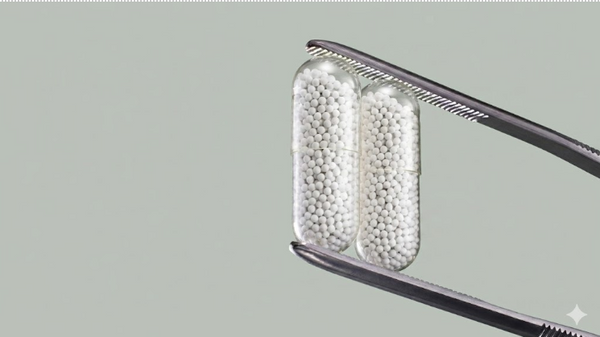
That is why formulations designed to enhance bioavailability are critical. Liposomal Berberine HCL+, India’s first liposomal berberine supplement, uses advanced delivery technology to encapsulate berberine in lipid-based vesicles. This helps the compound bypass digestive breakdown and enter the bloodstream more efficiently.
With a highly bioavailable dose of 1100 mg of Berberine extracted from Himalayan Berberis Aristata roots, it is 10 times more absorbable than standard berberine supplements. This ensures the body receives an effective, usable dose, allowing the compound to support blood sugar balance, insulin sensitivity, fat metabolism, and overall cellular function as intended.
When it comes to real, science-backed benefits, bioavailability is not a detail, it is the foundation.
Are Berberine Supplements Safe
Safety is always top of mind. At recommended doses, berberine is well tolerated. The most commonly reported side effects are mild and digestive in nature such as bloating, diarrhea, or constipation. These are typically manageable by starting at a lower dose and gradually increasing.
There is no evidence supporting concerns that berberine causes liver damage in healthy individuals. Still, individuals with pre-existing liver conditions or those on multiple medications should consult a healthcare provider before starting supplementation.
Pregnant and breastfeeding women, people with low blood pressure, and those already on glucose-lowering medications should avoid taking berberine without medical supervision.
Is Berberine Right for You
If you are managing blood sugar levels, struggling with stubborn weight, or seeking to improve overall metabolic health, berberine offers a natural, scientifically validated solution. But the key is choosing the right supplement.
Not all berberine supplements are created equal. A formulation like Liposomal Berberine HCL+, with its superior absorption and complementary ingredients, ensures you receive the full benefits.
Incorporate it thoughtfully alongside a balanced diet and active lifestyle, and berberine becomes more than a supplement, it becomes a metabolic ally.
Science does not promise miracles but offers real, sustainable solutions when backed by research. Your body deserves nothing less than a formula designed for optimal absorption, comprehensive metabolic support, and long-term health.

Recommended Products
 Liposomal Berberine HCL+
₹1,439 – ₹2,878
Liposomal Berberine HCL+
₹1,439 – ₹2,878