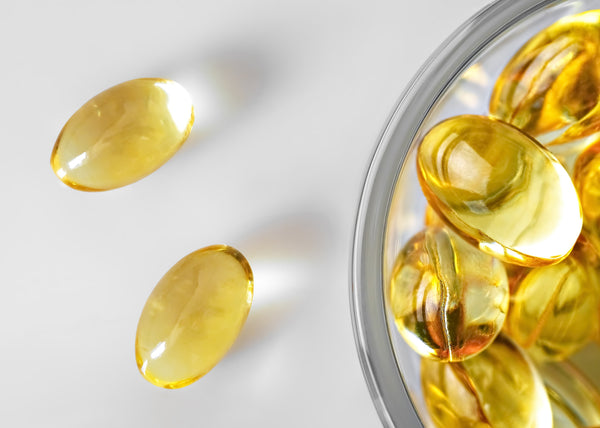
Most people assume any fish will “cover” their omega-3 needs. But your cells know the difference. Only a select group of cold-water fish carry the precise EPA and DHA ratios your brain, skin, and mitochondria can actually use to regenerate, repair, and stay resilient.
The right omega-3 rich fish can dial down silent inflammation, sharpen neural pathways, restore lipid balance, and switch your skin back into glow mode. The wrong ones? They do almost nothing.
Here’s the definitive, science-backed ranking of omega-3 dense fish and how to integrate each one so your body gets the daily therapeutic dose it truly thrives on.
Mackerel
Mackerel delivers one of the highest EPA + DHA contents of all edible fish, making it a cellular superstar for:
-
Reducing inflammation
-
Supporting healthy blood lipids
-
Improving cognitive function
-
Enhancing skin barrier strength
Its naturally high selenium + omega-3 combination makes it incredibly protective against oxidative stress (NIH).
Enjoy smoked mackerel on whole-grain toast, grill it with lemon + herbs, or add chunks to salads for an omega-rich meal.
Salmon
Wild salmon is famous for its beautifully balanced fatty acid profile. EPA reduces inflammation, while DHA supports brain + nerve function (NIH).
Benefits include:
-
Stronger cognitive performance
-
Reduced joint stiffness
-
Improved skin elasticity
-
Better hormone balance
Opt for wild-caught if possible. Bake it with garlic butter or make a light salmon rice bowl once or twice a week.
Sardines
Don’t underestimate these tiny omega-3 giants. Sardines are packed with:
-
Highly bioavailable omega-3s
-
Calcium
-
Vitamin D and B12
They’re especially helpful for maintaining healthy blood vessels and boosting energy production at a cellular level (NIH).
Try canned sardines in olive oil, on crackers or mash into a high-protein toast topping.
Herring
Herring offers a clean, easily absorbed source of DHA, essential for memory and focus. It also contains coenzyme Q10 for mitochondrial support (NIH).
Regular intake can help with:
-
Better concentration
-
Smoother skin texture
-
Lower inflammation
Pickled herring works well in salads or lightly pan-fry fresh fillets.
Anchovies
Anchovies are surprisingly high in omega-3s and rich in iron, making them great for those with low energy levels (NIH).
They support:
-
Heart health
-
Skin hydration
-
Higher metabolic rate
Add anchovies to pasta sauces, pizzas, or blend into dressings for a savory boost.
Trout
Trout contains a high EPA:DHA ratio and is gentler in flavor, ideal for those who don’t enjoy “fishy” fish (NIH).
Cellular benefits include:
-
Reduced oxidative damage
-
Support for vascular health
-
Stable mood and stress regulation
Pan-sear with thyme and butter or bake in foil for a nutrient-dense dinner.
Tuna
Tuna offers moderate omega-3s with high protein, making it useful for muscle recovery and energy support (NIH).
Opt for skipjack or light tuna to reduce mercury exposure. Add to salads, wraps, and sandwiches.
How to Meet Your Omega-3 Needs Daily
Getting enough omega-3s isn’t about one perfect meal, it’s about consistent, steady nourishment. These daily habits help ensure your cells stay fuelled, protected, and functioning at their best.
1. Eat Fish Regularly

Eat your fish 2–3 times a week for a minimum threshold for meaningful cellular benefits like reduced inflammation, sharper cognition, and smoother skin. Even on a fish-rich diet, intake fluctuates. Some weeks you’ll have salmon and mackerel; other weeks, life gets busy.
A low-dose omega-3 capsule helps maintain a steady baseline of EPA + DHA so your cells don’t dip into deficiency.
2. For Vegetarian or Allergic to Fish

Algal-based omega-3 veg capsules are a clean, highly absorbable source of DHA, the same molecule found in fish, because fish get it from algae. If you’re plant-based, combine algal DHA with ALA-rich foods (chia, walnuts, flax) to support your entire omega spectrum.
3. Balance Omega-6 Intake

Modern diets often overload omega-6 fats (fried food, refined oils), which compete with omega-3s at the cellular membrane level. Switch to cold-pressed olive oil or avocado oil and reduce seed oils to allow omega-3s to work more efficiently.
4. Pair Omega-3s With Antioxidants

EPA and DHA are highly unsaturated and prone to oxidation. Pairing them with antioxidants enhances stability and cellular uptake. Add vitamin E–rich foods (almonds, sunflower seeds) or polyphenols (berries, matcha) with your omega-3 meal or supplement.
5. Track Your Weekly Intake

A simple tally helps you stay consistent:
-
Aim for 2–3 servings of fatty fish weekly OR
-
250–500 mg DHA + EPA daily through supplements
Supporting your omega-3 levels isn’t complicated, it’s strategic. A mix of smart food choices, balanced fats, supportive antioxidants, and consistent supplementation ensures your brain, skin, heart, and cells stay nourished every single day.
Bringing It All Together
From cold-water fish to high-quality supplements, your omega-3 strategy can be simple yet incredibly powerful. Think of every serving of salmon, every spoon of sardines, every algal capsule as a signal, telling your cells to repair faster, think clearer, and age slower.
Prioritizing omega-3s isn’t a trend. It’s a long-term investment into the resilience of your brain, skin, heart, and hormones. Start with one small change this week and let the benefits ripple outward.
FAQs
1. How does omega-3 help in the body?
Omega-3 fatty acids (EPA, DHA, and ALA) integrate directly into your cell membranes, making them more fluid, responsive, and resilient. They help reduce inflammation; support brain signaling, improve cardiovascular function, strengthen the skin barrier, and enhance mitochondrial energy production. Think of them as structural and functional upgrades for every cell in your body.
2. What are the benefits of omega-3?
Omega-3s support multiple systems at once:
-
Brain: Sharper cognition, improved focus, better mood stability.
-
Heart: Lower triglycerides, improved circulation, reduced inflammation.
-
Skin: Better hydration, stronger barrier, smoother texture.
-
Joints: Reduced stiffness and inflammation.
-
Hormones: Improved balance and reduced PMS-related inflammation.
Regular intake from omega-3 rich fish or supplements amplifies these benefits.
3. When do omega-3 supplements start working?
Most people notice subtle changes like calmer inflammation or smoother skin within 2–4 weeks. For deeper benefits like improved heart health, triglyceride reduction, or cognitive enhancement, studies show consistent changes within 8–12 weeks. Omega-3s work gradually because they replace and rebuild fatty acids in your cell membranes over time.
4. Will omega-3 supplement lower triglycerides?
Yes. Omega-3s, especially EPA and DHA, are clinically shown to lower triglycerides. They reduce liver fat production, enhance fat oxidation, and stabilize blood lipids. People who combine supplements with omega-3 rich fish and reduce refined carbs see the fastest improvements.
5. What is the best omega-3 rich fish?
Cold-water fatty fish offer the highest levels of EPA + DHA. The top options include mackerel, salmon, sardines, herring, anchovies, trout, and tuna. Eating them 2–3 times a week or pairing them with a high-quality omega-3 supplement helps maintain optimal levels.
6. Are omega-3 veg capsules effective?
Absolutely. Algal DHA capsules deliver the same bioactive form of DHA found in fish because fish get their omega-3s from algae. They’re ideal for vegetarians, vegans, and anyone who doesn’t eat fish regularly. For complete omega support, pair algal DHA with ALA-rich foods like walnuts, chia, or flaxseed.
7. Can you take omega-3 every day?
Yes, omega-3 is safe for daily use and recommended for maintaining consistent EPA + DHA levels. Daily intake supports inflammation control, cognitive health, hormone balance, and cardiovascular function. Aim for atleast 250–500 mg/day or as recommended by doctor.