Most of us start our day with coffee or green tea, something to wake up the mind. But what if your morning drink could do more than just keep you awake?
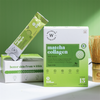
Imagine sipping something that not only powers your focus but also supports glowing skin, strong joints, and smoother energy, all in one cup. That’s exactly what happens when you blend collagen with matcha.
You’ve probably seen both trending across beauty and fitness feeds, collagen hailed as the “youth protein,” and matcha crowned the “smarter caffeine.” But can you mix collagen with matcha and still retain their benefits?
Absolutely. In fact, when combined, they complement each other beautifully, like skincare and sunlight, strength and serenity, or science and self-care.
This duo isn’t just another social media fad. It’s a fusion of centuries-old Japanese tea tradition with cutting-edge nutritional science. Together, they deliver what we all crave: natural energy that makes you feel good and look radiant, from the inside out.
Matcha: The Calm Energy Green

Before we dive into the duo, let’s start with the green hero: matcha.
This vibrant tea is made from shade-grown Tencha leaves, carefully stone-ground into a fine powder. Unlike regular green tea, where you steep and discard the leaves, matcha lets you consume the whole leaf, giving you 10x the antioxidants and amino acids.
And here’s the real secret: 30 days of shade growth before harvest dramatically boosts chlorophyll, L-theanine, and catechin content (NIH). The result? A richer green hue, smoother taste, and an antioxidant profile that’s second to none.
-
At a cellular level, matcha’s catechins (especially EGCG) help neutralize reactive oxygen species, protecting mitochondria from oxidative stress and supporting healthy energy metabolism (NIH).
-
L-theanine also modulates alpha brain waves, improving cognitive calm while preserving neuronal integrity (NIH).
-
Additionally, chlorophyll enhances cellular detoxification by aiding phase II liver enzymes, supporting cleaner, more efficient energy production (NIH).
Each sip brings calm alertness, thanks to the L-theanine + caffeine duo, offering long-lasting focus without the crashes coffee causes.
Collagen: The Body’s Inner Scaffold

If matcha fuels your mind, collagen strengthens your foundation.
It’s the most abundant protein in your body, forming the structure of your skin, hair, nails, joints, and even gut lining. But from your mid-20s, collagen production starts to decline by 1% every year. Add stress, pollution, and lack of sleep, and that decline speeds up, leading to fine lines, sagging, and slower recovery.
Hydrolyzed collagen peptides help restore that internal “scaffolding.”
At a cellular level, collagen peptides act as signaling molecules that stimulate fibroblast proliferation, the cells responsible for producing new collagen and extracellular matrix proteins (NIH).
Additionally, the amino acids glycine and proline support mitochondrial energy metabolism and tissue repair, promoting faster recovery and cellular renewal (NIH).
A 12-week study found that daily supplementation with collagen peptides led to a 31% reduction in collagen fragmentation and a 12% increase in skin moisture (NIH).
Still, the most exciting question remains, can you mix collagen with matcha and make them work even better together?
Mixing Matcha With Collagen
Yes, you can mix collagen with matcha, and honestly, you’ll want to.
It’s a synergy that feels as good as it sounds. Collagen rebuilds what time takes away, while matcha shields your cells with antioxidants. Together, they create a cycle of repair and protection that supports glowing skin, stronger hair, and lasting energy.
Here’s how this blend works its quiet magic 👇
1. Antioxidant Shield
Matcha is loaded with EGCG, a powerful catechin that shields collagen fibers from oxidative damage caused by UV rays, pollution, and stress (NIH). This helps preserve your body’s existing collagen and amplifies the effect of what you supplement.
2. Stimulated Collagen Synthesis
Research shows that polyphenols like EGCG can help promote fibroblast activity, the skin cells responsible for producing collagen (NIH). So, while collagen provides building blocks (amino acids like glycine and proline), matcha boosts the skin’s natural ability to use them.
3. Glowing Skin, Naturally
This duo fights dullness from within. Collagen plumps up fine lines and dryness, while matcha’s antioxidants brighten the skin and balance out oxidative stress (NIH). Within weeks, you’ll notice your complexion looking fresher and more hydrated.
4. Steady Energy & Focus
Unlike coffee’s adrenaline surge, matcha offers balanced energy that sustains you for hours, thanks to L-theanine (NIH). Pair that with collagen’s amino acids, which support muscle and neurotransmitter function, and you’ve got a no-crash, steady power-up that keeps you sharp.
5. Stronger Joints & Faster Recovery
Both collagen and matcha possess anti-inflammatory properties. Collagen supports connective tissue repair, while matcha’s antioxidants help reduce exercise-induced stress, making this duo perfect for active lifestyles (NIH).
6. Inner Calm Meets Outer Glow
The L-theanine in matcha helps reduce cortisol, your stress hormone (NIH). Lower cortisol means better collagen retention, improved digestion, and balanced hormones. In short: you feel calmer, look brighter, and function better.
Every sip of matcha-collagen latte is a reminder, you’re not just fuelling your day, you’re rebuilding yourself from within.
The Quality Checklist: What to Look for Before You Mix
Like any wellness ritual, quality determines results.
Here’s what to check before buying your matcha and collagen:
🍵 Matcha Checklist
-
Single Origin, Shade-Grown: Look for 30-day shade-grown matcha from Tencha leaves, it’s richer in chlorophyll and L-theanine.
-
Ceremonial Grade: Ensures smooth, non-bitter taste and higher phytonutrient levels.
-
Vibrant Green Colour: A bright, electric green hue means freshness and high antioxidant content.
-
Fine Texture: True matcha feels silky, not grainy.
🧬 Collagen Checklist
-
Hydrolyzed Peptides: Easier to digest and absorb.
-
Clinically Studied Source: Marine collagen, tested for purity and heavy metals.
-
No Artificial Flavors or Fillers: Keep it clean so it blends seamlessly with matcha.
-
Sustainably Sourced: Ethical sourcing ensures potency and purity.
Choose quality over convenience, because every sip should nourish, not just trend.
Quick Precautions
Even the cleanest wellness habits need balance. While collagen and matcha are generally safe and well-tolerated, how you take them matters just as much as what you take. Here are a few simple ways to get the most from your new ritual 👇
-
Avoid mixing immediately before iron-rich meals; tannins in matcha can reduce iron absorption.
-
Consult your doctor if you’re pregnant, breastfeeding, or on medication.
-
Stick to moderate caffeine intake (1–2 cups matcha per day).
Final Word
There’s no overnight transformation here, only quiet, cumulative change.
After a few weeks, you might notice your skin feels firmer, energy smoother, and focus sharper. That’s the power of combining two functional ingredients that support your body from the inside out.
In a world of quick fixes, this ritual reminds us that beauty and energy are built, not borrowed.
So tomorrow morning, skip the crash-and-burn coffee.
Whisk up your matcha, stir in collagen, and sip on the kind of energy that glows, inside and out.
FAQs
1. Can you mix collagen with matcha every day?
Yes, you can safely mix collagen with matcha daily. One serving (1 tsp matcha + 1 scoop collagen) provides steady energy, supports skin health, and enhances recovery without overstimulating your system.
2. What happens when you mix collagen with matcha?
When combined, matcha’s antioxidants protect collagen peptides from oxidative damage, while collagen supports tissue repair. The result is improved skin elasticity, calm focus, and long-lasting energy.
3. Does heat destroy collagen or matcha benefits?
Excessive heat (above 85°C) can reduce matcha’s antioxidant potency and slightly affect collagen’s amino acid structure. Always use warm, not boiling, water when preparing your drink.
4. What is the best time to drink collagen with matcha?
Morning is ideal, it fuels metabolism, focus, and hydration. You can also enjoy it post-workout for muscle and joint recovery. Avoid late evenings if you’re sensitive to caffeine.
5. Which collagen type is best to mix with matcha?
Hydrolyzed Type I & III marine collagen peptides blend best. They dissolve easily and are quickly absorbed, delivering visible results for skin, hair, and joints.
6. Can vegans or vegetarians try a collagen-matcha combo?
While traditional collagen is animal-derived, vegans can use plant-based collagen boosters with matcha. These contain amino acids and vitamin C-rich botanicals that naturally support collagen synthesis.
7. How long does it take to see results from collagen and matcha?
Most users notice better skin hydration, glow, and sustained energy within 6–8 weeks of consistent use. Cellular renewal takes time, so daily rituals matter more than quick fixes.