Every day, your cells are flooded with oxidative stress, from pollution, stress, processed foods, and even your workouts.
Your body’s first line of defense? Glutathione.
It’s known as the master antioxidant because it doesn’t just neutralize free radicals, it recycles other antioxidants like Vitamin C and E, detoxifies your liver, and keeps your cells young and efficient.
But here’s the catch: after the age of 40, your glutathione levels can drop by up to 50% (NIH).
That’s when fatigue lingers, inflammation rises, and recovery slows down.
So naturally, most people wonder: “Why not just take glutathione directly?”
Why Glutathione Supplements Don’t Work as You’d Think
Here’s the problem: oral glutathione isn’t well absorbed.
Most of it breaks down in your digestive tract before reaching your bloodstream, studies show less than 10% actually gets absorbed (NIH).
Your body prefers to make glutathione from within, using three amino acids: cysteine, glutamate, and glycine.
Among these, cysteine is the hardest to get and the rate-limiting factor for glutathione production.
That’s where N-Acetylcysteine (NAC) steps in, the more bioavailable form of cysteine that helps refill your glutathione tank naturally.
Meet NAC, The Molecule That Fuels Your Cells
NAC (N-acetylcysteine) is a stable, clinically proven form of the amino acid cysteine, and one of the rare nutrients that actually teaches your body to repair itself from within.
At the cellular level, NAC replenishes your body’s glutathione reserves, the master antioxidant that protects every cell from stress, pollution, and aging. By doing this, it resets your internal detox system, enhances mitochondrial energy production, and slows down cellular wear and tear.
Here’s how that translates into real, measurable benefits:
Detoxification and Liver Health
NAC helps your liver process and eliminate toxins efficiently. It neutralizes harmful compounds before they can cause cellular injury, making it one of the most effective nutrients for long-term liver protection and daily detox support (NIH).
Respiratory and Lung Support
NAC naturally thins mucus and reduces airway inflammation, improving breathing quality and oxygen flow. It’s been shown to boost lung function by up to 4.6% (NIH) and reduce COPD flare-ups by as much as 43.8% (NIH) in human studies.
Brain and Mood Health
By lowering oxidative inflammation in the brain, NAC helps protect neurons and support healthy neurotransmitter balance. Clinical studies even show benefits in reducing compulsive behaviors and improving mood stability(NIH).
Immune and Antioxidant Defense
Through glutathione replenishment, NAC strengthens your immune system’s front line. It protects your cells from oxidative stress, reducing inflammation markers like IL-6 by 32% (NIH) within just 4 weeks.
Metabolic and Blood Sugar Balance
NAC supports insulin sensitivity and glucose metabolism. In human trials, it reduced fasting blood glucose by 10% and insulin resistance by 37%, showing potential as a natural aid for metabolic wellness (NIH).
Cellular Energy and Mitochondrial Function
Inside your cells, NAC helps mitochondria, your energy factories, work more efficiently. More glutathione means less oxidative damage and better energy output, helping you feel more alert, resilient, and less fatigued (NIH).
In short, NAC doesn’t just support your health, it teaches your cells how to function at their best again, protecting you from the silent stressors of modern living.
Which NAC Is Best for You?

If you’ve ever searched “which NAC is best,” you’ve likely seen dozens of versions, regular, sustained-release, or liposomal. Here’s what you actually need to know:
Regular NAC (N-Acetylcysteine):
-
The most well-researched and widely used form of NAC, it’s been around for decades.
-
Ideal for general detoxification, lung health, and immune balance, especially for beginners or those looking for foundational antioxidant support.
-
Typical dose: 600–1200 mg per day, depending on your goal and tolerance.
However, here’s what you should know before choosing Regular NAC:
-
Lower Bioavailability: NAC is easily broken down in the stomach, which means only a small fraction actually enters your bloodstream. This can make its effects slower or less noticeable if your body needs higher antioxidant support.
-
Sensitive to Stomach Acidity: In some people, regular NAC can cause mild gastrointestinal discomfort, like bloating or nausea, when taken on an empty stomach. It’s not harmful, but it can be inconvenient for daily use.
-
Oxidation Risk: NAC is unstable when exposed to air and moisture. Over time, it can oxidize and lose potency if not stored properly, which affects consistency and results.
-
Shorter Half-life: NAC doesn’t stay in your system very long, so you may need to split your dose (morning and evening) to maintain stable glutathione levels throughout the day.
In short: Regular NAC works but it’s like a reliable, old-school phone charger. It gets the job done, just not as efficiently as the newer models.
Liposomal NAC:
-
A next-generation form of NAC that uses liposomes, tiny, fat-based spheres, to protect the molecule as it travels through your digestive system. This smart encapsulation helps NAC survive stomach acid and reach your cells more effectively.
-
Ideal for those who want faster absorption, better bioavailability, and sustained cellular delivery, especially if you’re dealing with chronic fatigue, inflammation, or metabolic stress.
-
Typical dose: 600–900 mg per day, since less is often needed compared to regular NAC due to improved uptake.
Here’s why Liposomal NAC stands out and what to keep in mind:
-
Superior Absorption: Liposomes act like microscopic shields, allowing NAC to pass through cell membranes more easily. This means more of it actually reaches your bloodstream and in a form your cells can use instantly.
-
Gentle on the Gut: Because the liposomal coating protects NAC from stomach acid, it’s far less likely to cause nausea or bloating. It’s especially useful for those who couldn’t tolerate regular NAC on an empty stomach.
-
Longer-Lasting Action: Liposomal delivery extends the time NAC stays active in your system, maintaining steadier glutathione levels throughout the day. That translates into more consistent energy and antioxidant protection.
-
Enhanced Stability: The lipid coating prevents oxidation, meaning the compound remains potent longer, even with temperature or moisture exposure. You get more predictable results with each capsule or sachet.
-
Slightly Premium Cost: The advanced formulation and encapsulation process make liposomal NAC pricier than the regular kind. However, since your body absorbs more of it, the effective dose-per-rupee often evens out in the long run.
Think of Liposomal NAC supplement as upgrading from a standard charger to a wireless fast-charger for your cells, quicker, cleaner, and far more efficient.
NAC Dose & Timing Guide
Once you’ve found which NAC is best for your goals, the next question is timing, when you take NAC matters just as much as how much you take. Since NAC supports glutathione production, detox pathways, and cellular repair, syncing it with your body’s natural rhythms can make a noticeable difference in how you feel.
Here’s how to make NAC work smarter for you:
-
For Lung & Immunity Support: Take NAC first thing in the morning on an empty stomach. It helps clear mucus, boost antioxidant protection, and prep your body to handle environmental stress during the day.
-
For Liver Detox / Daily Cleanse: Take it in the morning, around 30 minutes before food. This timing aligns with your body’s peak detox activity and helps your liver flush out toxins more effectively.
-
For Brain & Focus Support: Take a split dose, morning and afternoon, to maintain consistent antioxidant levels in the brain. You can take it with or without food, whichever feels easier on your stomach.
-
For Metabolic & Energy Support: Take it in the morning on an empty stomach. NAC works synergistically with your mitochondria, helping improve energy output and glucose metabolism throughout the day.
Pro tip: Stay hydrated. NAC works best when your cells are flushed and oxygenated, think of it as giving your internal detox system the “fuel” it needs to perform.
NAC isn’t a one-time booster; it’s a cellular investment. Most studies show that consistent, daily use for at least 8–12 weeks yields the most noticeable benefits, from improved energy and mental clarity to better metabolic balance and lung function.
NAC + Glycine: The Proven Synergy
While NAC alone boosts cysteine, glycine completes the other half of the equation for glutathione production.
When paired (as GlyNAC), clinical studies in 16 weeks show:
-
Glutathione levels ↑ 164% (NIH)
-
Mitochondrial function ↑ 83% (NIH)
-
Inflammation ↓ 54% (NIH)
Together, NAC and glycine don’t just protect, they rebuild.
They restore your cell’s ability to self-repair, making you more resilient from the inside out.
The Bottom Line
NAC isn’t just another antioxidant; it’s the raw material your body uses to produce its own.
It strengthens your detox systems, boosts cellular repair, and supports longevity at its root.
So, whether you’re looking to think clearer, breathe easier, or age slower, start with the molecule that makes it all possible: NAC.
Because lasting health isn’t about taking more, it’s about helping your body do more with what it already has.
FAQs
1. What is NAC and what does it do in the body?
NAC (N-acetylcysteine) is a stable form of the amino acid cysteine. It helps your body produce glutathione, the master antioxidant that protects your cells from oxidative stress, toxins, and inflammation. NAC supports liver detoxification, lung health, brain function, and metabolic balance at the cellular level.
2. Which NAC is best for me?
If you’re looking for everyday detox and immune support, regular NAC (600–1200 mg/day) is ideal. For faster absorption, improved gut tolerance, and better cellular uptake, liposomal NAC is the premium choice. It offers superior bioavailability and longer-lasting antioxidant protection.
3. When should I take NAC for best results?
The best time to take NAC is in the morning on an empty stomach, when your body’s natural detox pathways are most active. If you’re taking it for brain support, split the dose between morning and afternoon for steady glutathione levels throughout the day.
4. Can I take NAC with other supplements?
Yes, NAC pairs well with antioxidants like vitamin C, vitamin E, and especially glycine. Together, NAC and glycine boost glutathione production more effectively than either alone, a combination known as GlyNAC.
5. Is NAC safe for daily use?
Clinical studies show that NAC is safe and well-tolerated for long-term use in healthy adults. Mild side effects like nausea or bloating can occur at high doses but are uncommon. Staying hydrated and taking NAC on an empty stomach helps improve tolerance.
6. Why not just take glutathione directly instead of NAC?
Oral glutathione gets broken down by stomach acid before it reaches your cells. NAC works better because it gives your body the raw material (cysteine) it needs to produce glutathione naturally, exactly where it’s needed, inside your cells.
7. How long does it take to see results from NAC?
Most users begin to notice subtle improvements in energy, focus, and breathing within 2–4 weeks. Clinical studies show measurable benefits in oxidative stress, inflammation, and insulin sensitivity within 8–12 weeks of consistent use.

Recommended Products
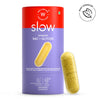 Slow Advanced N-Acetyl-Cysteine + Glycine Capsules
₹1,357 – ₹2,658
Slow Advanced N-Acetyl-Cysteine + Glycine Capsules
₹1,357 – ₹2,658