If you’ve ever found yourself wondering whether you’re too young or maybe already late to start collagen supplements, you’re not alone. The question of the right age to take marine collagen has become one of the biggest wellness debates today. Some people swear by starting in their 20s, while others wait until fine lines or joint stiffness appear. But by the time you notice those signs, your body’s natural collagen levels have already been quietly declining for years.
Collagen makes up nearly one-third of your body’s protein. It’s what keeps your skin firm, your joints flexible, and your bones strong. Yet after your mid-20s, collagen production drops by about 1 to 1.5 percent each year, an invisible shift that slowly changes how your body looks and feels.
That’s where marine collagen enters the picture. Backed by science and known for its superior absorption, it helps restore the structural proteins your body stops producing with age. But timing is everything. Start too late and you’re playing catch-up. Start at the right time and you can preserve your skin’s elasticity, your joints’ resilience, and your body’s inner strength for longer.
In this blog, we’ll unpack how age affects collagen production, why marine collagen is unique, and the best age to start supplementing so you can make the most of your body’s natural repair cycle before time leaves its mark.
The Collagen Spectrum

Your body naturally produces over 28 types of collagen, but three dominate:
-
Type I – found in skin, hair, nails, bones, and tendons (makes up ~90% of your body’s collagen)
-
Type II – supports cartilage and joint health
-
Type III – found alongside Type I in skin, muscles, and blood vessels
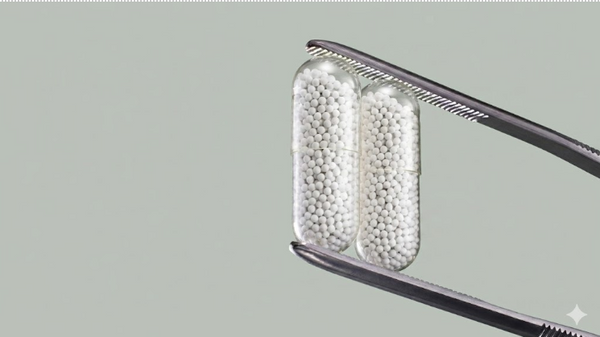
Among them, Type I collagen is the one most closely tied to skin elasticity, firmness, and overall structure, the kind that keeps your complexion smooth and your bones strong. That’s what makes marine collagen special. It’s naturally rich in Type I collagen, offering the same structural proteins your skin and connective tissues need because it's derived from the skin, scales, and bones of fish. Hydrolyzed Marine collagen means it’s broken down into smaller peptides, around 1000–2000 Daltons so that your gut can easily digest and absorb.
Once in the bloodstream, these peptides act like “signals” to your fibroblasts, the skin cells responsible for collagen, elastin, and hyaluronic acid production. Your body interprets them as fragments of its own collagen breaking down, which triggers repair mode, boosting new collagen formation from within. That’s what makes marine collagen unique: it doesn’t just add collagen; it stimulates your body to make more of its own.
Benefits of Marine Collagen
Marine collagen isn’t just a “beauty” supplement. It’s a structural nutrient, one that supports tissues throughout your body.
1. Skin Firmness + Hydration

Marine collagen helps rebuild the skin’s structural matrix, improving elasticity and reducing dryness. It replenishes amino acids like glycine, proline, and hydroxyproline that support collagen fiber strength. Clinical research shows a 12% increase in skin moisture within 8 weeks of consistent use (NIH).
2. Scar Healing + Texture Repair

By stimulating fibroblast activity, marine collagen promotes faster skin renewal and smoother texture. It helps fade post-acne scars and supports uniform skin tone from within. Clinical trials show up to a 31% reduction in skin fragmentation within 12 weeks (NIH).
3. Joint & Cartilage Health

Collagen is the primary protein in cartilage, which cushions joints and enables flexible movement. Marine collagen supplementation helps reduce stiffness and support mobility, particularly as natural collagen declines with age. It’s beneficial for both active individuals and those managing age-related joint wear.
(NIH).
4. Bone Density Support

Nearly 90% of your bone’s organic matrix is made of collagen, the scaffold that gives bones strength and resilience. Marine collagen provides the amino acids required to maintain this framework and slow bone mineral loss over time. Regular intake helps support stronger, more flexible bones as you age. (NIH).
5. Stronger Hair + Nails
Bioactive collagen peptides stimulate keratin and nail matrix production, leading to stronger, faster growth. In a 24-week study, supplementation increased nail growth by 12% and reduced breakage by 42% (NIH). It also supports hair follicle health, helping reduce brittleness and thinning.
By delivering these bioactive peptides in an easily absorbable form, marine collagen directly targets the areas where aging shows first, your skin, hair, and joints.
Best Time To Take Collagen: Best Age To Start

If you’re wondering, “Am I too young for collagen?”, that’s actually the best time to ask.
Your body’s natural collagen production starts to dip by about 1–1.5% every year once you hit your mid-20s. The change is silent, you don’t see it on your skin yet, but your cells already feel it (NIH).
Here’s how that timeline unfolds:
-
In your 20s: Prevention Phase:
Think of this as collagen’s “golden window.” Starting now helps preserve your skin’s elasticity, hydration, and firmness before visible signs appear.
-
In your 30s: Maintenance Phase:
You may begin noticing subtle changes: fine lines, dullness, slower recovery after workouts, or mild joint stiffness. Supplementing here supports structural proteins and keeps your collagen network strong.
-
In your 40s and beyond: Repair & Restore Phase:
Collagen breakdown accelerates, leading to more pronounced wrinkles and joint discomfort. Consistent marine collagen intake can help rebuild dermal density, improve moisture levels, and support bone and joint resilience.
The truth is, there’s no fixed “age limit” for marine collagen.
The best time to start is when you decide to support your body’s foundation, before the signs of loss show up on the surface.
How Much Collagen Do You Really Need?
Clinical studies suggest results with 2.5 g to 10 g of hydrolyzed marine collagen daily, depending on your goals.
Consistency matters more than timing, it can be taken in the morning, with your smoothie, or post-workout.
If you’re looking to begin, choose a clinically formulated marine collagen that matches what science recommends.
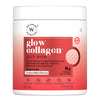
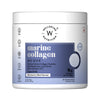
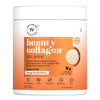
Wellbeing Nutrition’s Marine Collagen Range is designed exactly that way.
Each serving delivers 8 g marine collagen, sourced sustainably from wild caught deep-sea fish. It’s paired with antioxidants and skin-essential vitamins to boost your body’s natural collagen synthesis and protect existing collagen from oxidative damage.
The formula is clean, bioavailable, and free from added sugars, preseratives, or artificial flavors, so your skin, hair, joints, and bones get everything they need, and nothing they don’t.
Bottom Line
There isn’t a “perfect age” to start marine collagen, but there is a perfect moment, the one when you decide to protect what time quietly erodes. Collagen loss begins long before the first fine line or creaky joint appears, which means early support is the smartest prevention.
Starting marine collagen in your 20s helps preserve elasticity and hydration. In your 30s and 40s, it supports repair, firmness, and joint comfort. No matter your age, consistency is what truly matters.
Think of marine collagen as a daily investment in your skin, bones, and connective strength. Begin now, stay regular, and let the results build quietly beneath the surface, stronger, smoother, and more resilient with every passing year.
FAQs
1. What is the best age to start taking marine collagen?
Most people can start marine collagen in their mid-20s, when natural collagen production begins to decline by about 1–1.5% each year (NIH). Starting early helps preserve skin elasticity, joint flexibility, and overall cellular health before visible signs appear.
2. Can I take marine collagen in my 20s?
Yes. Taking marine collagen in your 20s supports prevention, it helps your skin stay firm, hydrated, and resilient, while also protecting joints and bones for the long term.
3. Is there an upper age limit for marine collagen?
There’s no age limit. Even in your 40s, 50s, or beyond, marine collagen can help restore skin firmness, improve hydration, and support bone and joint health. The earlier you begin, the longer you maintain structural strength.
4. What are the main marine collagen benefits?
Marine collagen helps improve skin elasticity, reduce wrinkles, support bone strength, enhance joint comfort, and strengthen nails and hair. It also aids post-acne scar repair by stimulating fibroblast activity and collagen renewal.
5. How much marine collagen should I take daily?
Clinical studies have shown visible results with 2.5 g to 10 g of hydrolyzed marine collagen per day, depending on your goals. A consistent daily dose within this range can help improve skin hydration, elasticity, and overall collagen density over 8–12 weeks.
6. Can marine collagen help with joint health?
Yes. Marine collagen supports cartilage regeneration and reduces stiffness by replenishing amino acids like glycine and proline, key building blocks of connective tissue. It’s beneficial for both active individuals and those experiencing age-related joint wear.
7. Does marine collagen really help with skin aging?
Yes. Multiple clinical studies show that taking marine collagen daily can visibly improve skin hydration, elasticity, and firmness. In one 12-week study, participants saw a 12% increase in hydration and up to 31% decrease in skin fragmentation with 10 g of hydrolyzed marine collagen peptides (NIH). Consistent use helps maintain a smoother, more youthful complexion from within.