Trying to decide whether marine collagen deserves a place in your wellness routine? With beauty supplements flooding the market, it's natural to wonder which ones truly make a difference. That’s why getting a clear understanding of marine collagen benefits and side effects becomes essential before you start.
Marine collagen is often praised for its glow-boosting, youth-supporting, and body-strengthening properties. From skincare enthusiasts to fitness lovers, many people turn to it hoping for visible, long-lasting results. But as with any supplement, knowing what’s real and what to watch out for helps you choose wisely.
If you're someone who values informed decisions, this breakdown will guide you through the full picture. You’ll learn what marine collagen can genuinely do, who it works best for, and where caution is needed. By the end, you’ll know exactly whether it fits your goals and your daily routine.
What Is Marine Collagen, Really?
Marine collagen is a type of collagen derived from the skin, scales, and bones of fish, usually wild-caught deep-sea varieties. It is primarily Type I collagen, the same collagen that makes up to 90% of human skin, along with significant portions of our hair, nails, bones, and connective tissues (NIH). This makes them ideal for skin, hair, nails, and overall anti-aging benefits.
You can find marine collagen in:
-
Powders
-
Ready-to-drink shots
-
Gummies
-
Capsules
-
Functional foods
-
Natural marine collagen foods (like fish skin, sardines, anchovies)
Marine Collagen Benefits
Marine collagen's advantages extend beyond beauty, offering benefits that support the skin, gut, joints, and more. Here's a breakdown of the most researched and practical benefits.
1. Healthier, Younger-Looking Skin

Skin health remains the most recognised benefit of marine collagen, and for good reason. Its peptides stimulate fibroblasts, helping the skin rebuild collagen and maintain firmness, elasticity, and hydration. Over time, this contributes to visible improvements in texture, tone, and overall radiance (NIH).
Benefits include:
-
Reduced fine lines and wrinkles
-
Improved skin firmness
-
Smoother, more supple texture
-
Enhanced moisture retention
-
Brighter, more youthful glow
Clinical research shows that consistent intake for 8–12 weeks can significantly improve markers of skin ageing. These effects are especially noticeable in individuals exposed to environmental stressors like UV rays, pollution, or lifestyle-induced oxidative damage.
2. Stronger Hair & Nails

Marine collagen contains key amino acids, including proline, glycine, and hydroxyproline, that are essential for keratin structure. These building blocks help reinforce hair follicles and support healthier nail growth (NIH).
Benefits you’ll notice:
-
Reduced hair fall
-
Stronger strands
-
Shinier, smoother hair
-
Faster nail growth
-
Less brittle nails
Most users begin to observe improvements within 4–6 weeks as structural proteins gradually strengthen.
3. Better Joint Health & Flexibility

While Type II collagen is most directly associated with joint cartilage, marine collagen still plays an important role in supporting overall connective tissue health. Its peptides help nourish the joint matrix, promote lubrication, and assist in tissue repair (NIH).
How it helps:
-
Improves joint lubrication
-
Reduces stiffness
-
Supports cartilage repair
-
Helps post-workout recovery
-
Reduces discomfort caused by inflammation or overuse
This makes marine collagen especially valuable for athletes, dancers, and individuals with high physical activity levels or early signs of joint wear.
4. Gut Health Support

Glycine-rich marine collagen helps fortify the gut lining, which is essential for digestive balance and immune health. A stronger gut barrier reduces irritation and supports more efficient nutrient absorption (NIH).
Benefits include:
-
Improved digestion
-
Reduced bloating
-
Strengthened gut barrier
-
Support for leaky gut repair
-
Better nutrient absorption
If your lifestyle includes caffeine, irregular meals, stress, or processed foods, marine collagen can offer meaningful support for digestive well-being.
5. Bone Strength & Density

Bone density naturally declines with age, especially in women, due to reduced collagen and mineral loss. Marine collagen provides the amino acids needed to support the bone matrix and works synergistically with calcium, magnesium, and vitamin D (NIH).
Benefits:
-
Better bone mineral density
-
Improved structural strength
-
Reduced risk of fractures
-
Support for ageing bones
Regular intake supports healthier skeletal function, making it a valuable consideration for long-term bone health.
6. Weight Management & Metabolism Boost

Marine collagen is a clean, high-quality protein source that helps regulate appetite by promoting satiety. It supports lean muscle maintenance and gently boosts metabolic activity (NIH).
It may assist in:
-
Controlling cravings
-
Improving metabolism
-
Supporting lean muscle maintenance
-
Reducing late-night snacking
These effects make it a helpful addition to balanced weight-management routines.
Marine Collagen Side Effects
Marine collagen is well-tolerated by most individuals, and adverse reactions are uncommon. Still, understanding the potential side effects helps you choose the right product and use it safely. Below are the key considerations to keep in mind.
1. Marine Collagen Allergy

Individuals with fish or seafood allergies should avoid marine collagen entirely. Because it is derived from fish skin and scales, the proteins may trigger an immune response in sensitive individuals.
Common signs of marine collagen allergy include:
-
Rash or hives
-
Itching or redness
-
Swelling of the lips, face, or throat
-
Nausea or stomach discomfort
-
Difficulty breathing (rare but serious)
If you have a known seafood allergy, opt for bovine collagen or a plant-based collagen builder to avoid allergic reactions.
2. Mild Digestive Discomfort

Some people may experience digestive changes when first introducing marine collagen into their routine. This is typically due to the body adjusting to concentrated protein peptides.
Possible symptoms:
-
Temporary bloating
-
Gas
-
Feeling unusually full
-
Mild stomach upset
These effects usually ease within a few days. Starting with a lower dose and gradually increasing it can help the body adapt more comfortably.
3. Aftertaste or Smell Issues

Lower-quality marine collagen may have a noticeable fishy aftertaste or aroma due to inadequate purification. While this isn’t harmful, it can affect the overall experience.
Choosing a high-quality, hydrolysed marine collagen from reputable sources ensures a neutral taste and optimal absorption.
4. Potential Calcium Buildup (Rare)

In rare cases, marine collagen sourced from fish bones, rather than skin or scales, may contain excess calcium. This is more likely to occur in poorly regulated or low-grade products.
To avoid this, select collagen that is purified, tested, and sourced from fish skin, which naturally contains minimal calcium.
Ideal Marine Collagen Dosage
The optimal marine collagen daily dose depends on what you’re trying to achieve. Because collagen works cumulatively, consistency matters more than timing and benefits typically appear between 4–12 weeks of regular use. Below is a goal-based guide to help you choose the right dosage.
-
Skin, Hair & Nail Support: 5–10 g/day
This range is widely studied for improving skin elasticity, hydration, and overall texture. Most users begin noticing visible changes in 6–8 weeks.
-
Joint Health & Muscle Recovery: 10–15 g/day
Higher doses better support connective tissue repair, joint comfort, and post-exercise recovery. Ideal for athletes, active individuals, or those experiencing stiffness.
-
Gut Health & Digestion: 5–10 g/day
A moderate dose helps strengthen the gut lining, support digestion, and reduce bloating due to glycine-rich peptides.
-
Healthy Ageing & Overall Wellness: 8–12 g/day
This range supports long-term collagen replenishment, promoting skin firmness, bone strength, and metabolic balance.
Simple Lifestyle Steps to Boost Collagen Naturally
Here’s how to amplify your marine collagen benefits:
Daily Habits
-
Stay hydrated with 8–10 glasses of water to support skin elasticity
-
Add vitamin C–rich foods like amla, oranges, and capsicum to enhance collagen absorption
-
Eat antioxidant-rich fruits to reduce free-radical damage
-
Limit excessive sun exposure which breaks down collagen
-
Reduce smoking and alcohol, both known to accelerate collagen loss
Collagen-Boosting Foods
-
Fish & seafood
-
Eggs
-
Bone broth
-
Nuts & seeds
-
Berries
-
Leafy greens
These foods naturally support collagen production and provide the amino acids your body needs to repair and strengthen tissues.
Add a Supplement If Needed
While diet helps, your body’s natural collagen starts declining from your mid-20s, making supplementation a necessity.
A daily 5–10 g hydrolysed marine collagen powder or drink helps:
-
Improve skin firmness & elasticity
-
Strengthen hair & nails
-
Support joints, bones & muscle recovery
-
Enhance gut lining strength
If you want clean, effective, high-absorption collagen, Wellbeing Nutrition Marine Collagen is a standout option:
✔ Single-source wild-caught deep-sea collagen
✔ Hydrolysed Type I collagen peptides for maximum absorption
✔ Mercury-free & sustainably sourced
✔ Enhanced with hyaluronic acid, biotin, acerola cherry (vitamin C), and silica (in select variants)
✔ Improves skin hydration, firmness, joint comfort & hair strength
✔ No sugar, no preservatives, no artificial additives
Final Thoughts
Marine collagen is one of the most effective and well-researched supplements for beauty, skin, hair, gut, and joint health. Its high absorption and bioavailability give it a clear edge over other types of collagen.
However, it’s not for everyone, especially those with seafood sensitivities. And like any supplement, results depend on quality, consistency, and dosage.
If you’re looking for a multitasking supplement that supports glowing skin, strong hair, better digestion, and youthful mobility, marine collagen may be the upgrade your wellness routine needs.
FAQs
1. What happens if I take marine collagen every day?
Taking marine collagen daily helps replenish declining collagen levels and supports healthier skin, hair, nails, joints, and gut. Consistent daily use improves skin elasticity, boosts hydration, strengthens hair and nails, and supports joint mobility. Most people start noticing visible improvements within 4–8 weeks of regular intake.
2. What are the benefits of Wellbeing Nutrition Marine Collagen?
Wellbeing Nutrition Marine Collagen delivers superior results due to its clean, high-quality formulation. Key benefits include:
-
Improved skin firmness, smoothness, and elasticity
-
Reduced fine lines and better hydration
-
Stronger hair & nails
-
Faster absorption due to hydrolysed Type I collagen peptides
-
Added nutrients like hyaluronic acid and vitamin C that amplify results
-
Sustainably sourced, mercury-free, wild-caught collagen
3. What are the first signs that collagen is working?
Early results typically show up in:
-
Skin: Improved hydration, smoother texture, a subtle glow
-
Hair: Reduced hair fall, stronger strands
-
Nails: Less breakage, faster growth
-
Joints: Reduced stiffness, easier mobility
Most people notice these positive changes within 4–6 weeks, depending on consistency and dosage.
4. Who should avoid taking collagen?
You should avoid marine collagen if you:
-
Have a fish or seafood allergy
-
Are on a medically restricted protein intake (doctor-advised)
-
Have been advised to avoid supplements due to a specific medical condition
Pregnant or breastfeeding women should consult a healthcare professional before starting collagen supplements.
5. What are the side effects of marine collagen?
Marine collagen is generally safe, but some people may experience:
-
Mild bloating or digestive discomfort, usually temporary
-
A slight aftertaste if taken in plain powder form
-
Rare allergic reactions in people with seafood sensitivities
Choosing a high-quality, mercury-free collagen reduces these risks.
6. What are the signs of collagen deficiency?
Common signs include:
-
Fine lines, wrinkles, and sagging skin
-
Dry, dull skin with poor elasticity
-
Weak or brittle nails
-
Hair thinning or breakage
-
Joint stiffness or discomfort
-
Slower muscle recovery
-
Reduced skin healing after injuries
These symptoms usually appear as natural collagen production drops with age.
7. At what age should I take marine collagen?
Most people benefit from starting marine collagen around age 25, when natural collagen levels begin to decline. However:
-
Ages 20–25: Good for prevention if you have high stress, poor sleep, or heavy sun exposure
-
Ages 25–35: Ideal for slowing early signs of aging
-
Ages 35+: Recommended for visible aging, joint support, and faster recovery
Marine collagen is safe for adults of all ages unless contraindicated.

Recommended Products
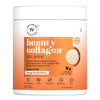 Beauty Korean Marine Collagen Peptides Mango Peach Flavour
₹1,939 – ₹7,196
Beauty Korean Marine Collagen Peptides Mango Peach Flavour
₹1,939 – ₹7,196
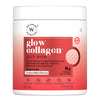 Glow Korean Marine Collagen Peptides with Liposomal Glutathione & Vitamin C | Tropical Bliss Flavour | 250g
₹1,939 – ₹7,196
Glow Korean Marine Collagen Peptides with Liposomal Glutathione & Vitamin C | Tropical Bliss Flavour | 250g
₹1,939 – ₹7,196
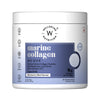 Korean Marine Collagen - Blueberry Mint
₹1,018 – ₹1,993
Korean Marine Collagen - Blueberry Mint
₹1,018 – ₹1,993
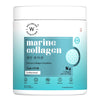 Pure Korean Marine Collagen Peptides | Unflavored | Combat Signs of Ageing
₹1,745 – ₹6,476
Pure Korean Marine Collagen Peptides | Unflavored | Combat Signs of Ageing
₹1,745 – ₹6,476