You are eating well. You are sleeping enough. You are doing everything right.
Yet by mid afternoon, your energy crashes. Your workouts feel heavier. Your focus slips. Your skin looks dull. Your hair sheds more than usual.
What if the issue is not stress, aging, or a busy schedule?
What if it is iron deficiency, the most common nutritional deficiency in the world, quietly affecting your hemoglobin levels, red blood cells, and the way your body carries blood oxygen every single second?
Let us unpack what most people overlook.
Why Iron Is Non Negotiable
At its core, iron is a mineral your body cannot function without. Its primary role is to help produce hemoglobin, the protein inside red blood cells responsible for transporting blood oxygen from your lungs to every tissue.
No iron.
No optimal hemoglobin.
No efficient oxygen delivery.
When hemoglobin levels drop due to low iron, your cells receive less oxygen. This state is commonly referred to as iron deficiency anemia, but long before anemia is diagnosed, suboptimal iron can already impact performance, cognition, metabolism, and immunity.
Iron also supports:
-
Cellular energy production
-
Mitochondrial function
-
Thyroid health
-
Brain development
-
Healthy pregnancy outcomes
-
Immune defense
This is not a minor mineral. It is foundational.
How Common Is Iron Deficiency?

Globally, iron deficiency is the leading cause of anemia. Women of reproductive age, pregnant women, vegetarians, endurance athletes, and adolescents are particularly at risk.
In India, iron deficiency anemia remains highly prevalent across age groups. Even mild iron deficiency without anemia is increasingly common due to dietary gaps, menstrual blood loss, gut absorption issues, and chronic inflammation.
The problem is not just severe anemia. It is low ferritin, borderline hemoglobin levels, and subtle fatigue that people normalize.
Early Signs of Iron Deficiency You Should Not Ignore

Iron deficiency symptoms often start quietly. Before clinical iron deficiency anemia appears, you may notice:
-
Persistent fatigue despite adequate sleep
-
Shortness of breath during mild exertion
-
Brain fog or difficulty concentrating
-
Pale skin or dark under eye circles
-
Hair thinning or increased hair fall
-
Brittle nails
-
Frequent infections
-
Cold hands and feet
These symptoms reflect compromised red blood cells and reduced blood oxygen delivery.
If you are searching for phrases like “why am I always tired,” “low hemoglobin symptoms,” or “signs of low iron in women,” iron deficiency may be the hidden link.
Iron Deficiency vs Iron Deficiency Anemia
Many people assume they are fine unless diagnosed with anemia. That is a mistake.
-
Iron deficiency means your iron stores, usually measured as ferritin, are low.
-
Iron deficiency anemia means your hemoglobin levels have dropped significantly and your red blood cells are compromised.
You can have iron deficiency without anemia. Performance and energy can decline long before lab values cross clinical thresholds.
Key blood tests to consider:
-
Serum ferritin
-
Hemoglobin
-
Serum iron
-
Total iron binding capacity
-
Transferrin saturation
If you are experiencing chronic fatigue, ask for a full iron panel, not just a basic hemoglobin check.
Who Is at Highest Risk for Low Iron?
Iron deficiency is especially common in:
-
Women with heavy menstrual cycles
-
Pregnant and postpartum women
-
Vegetarians and vegans
-
People with gut disorders affecting iron absorption
-
Endurance athletes
-
Adolescents in growth phases
-
Individuals with chronic inflammation
If you fall into any of these categories and struggle with energy, it is worth evaluating your iron status.
Best Iron Rich Foods for Improving Hemoglobin Levels
A diet first approach is always the foundation.
Heme Iron Sources

These are better absorbed by the body:
-
Lean red meat
-
Liver
-
Chicken
-
Fish
Non Heme Iron Sources

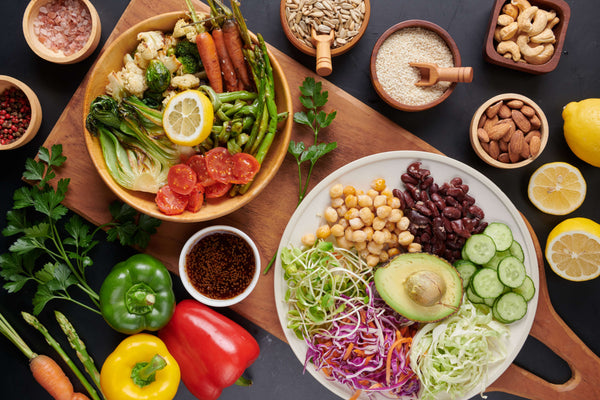
Plant based options include:
-
Spinach
-
Lentils
-
Chickpeas
-
Rajma
-
Tofu
-
Pumpkin seeds
-
Sesame seeds
-
Jaggery
To enhance iron absorption, combine plant based iron with vitamin C rich foods like amla, citrus fruits, guava, or bell peppers.
Avoid tea and coffee immediately after iron rich meals as they can inhibit iron absorption.
If you are searching for “best iron rich foods,” “foods to increase hemoglobin,” or “how to increase iron levels naturally,” this dietary synergy matters more than isolated ingredients.
Why Iron Absorption Is Often the Real Problem
Many people consume iron but still struggle with low ferritin.
Reasons include:
-
Low stomach acid
-
Gut inflammation
-
High phytate diets
-
Chronic stress
-
Poor vitamin C intake
Iron metabolism is tightly regulated. The body absorbs what it needs but inflammation can block this process through hepcidin, a regulatory hormone.
This is why simply increasing iron intake is not always enough. Supporting gut health and reducing chronic inflammation are equally critical.
The Impact of Low Hemoglobin on Energy and Metabolism
Every cell in your body relies on oxygen to produce ATP, the energy currency of life.
Low hemoglobin levels mean less oxygen transport. Less oxygen means reduced mitochondrial efficiency.
This explains:
-
Low stamina
-
Poor workout recovery
-
Reduced metabolic output
-
Increased perceived exertion
When red blood cells are optimally formed and rich in hemoglobin, oxygen delivery improves, cognitive clarity sharpens, and physical endurance increases.
This is not about quick energy. It is about cellular oxygenation.
Iron Deficiency in Women: A Silent Epidemic
Search trends for “iron deficiency in women,” “low iron symptoms female,” and “how to increase hemoglobin fast” continue to rise.
Monthly blood loss significantly increases iron requirements. Pregnancy further raises demand due to expanded blood volume and fetal development.
Unaddressed iron deficiency in women can impact mood, thyroid health, fertility, hair density, and long term vitality.
If you constantly feel depleted despite doing everything right, checking iron status is not optional. It is strategic.
Should You Consider an Iron Supplement?
If dietary measures are not enough and lab values confirm deficiency, an iron supplement may be necessary.
-
The form of iron used
-
Bioavailability and absorption efficiency
-
Gastrointestinal tolerance
-
Presence of supportive nutrients like vitamin C and folate
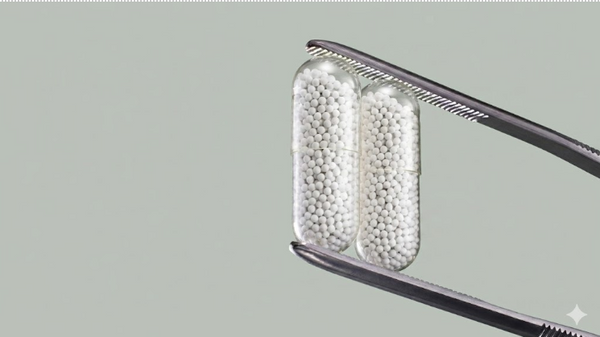
Certain advanced formats now focus on improving absorption while minimizing digestive discomfort. For instance, Wellbeing Nutrition Vital Iron melts® delivers high concentration Iron (AB-Fortis®) alongside naturally sourced folic acid, beetroot, and acerola cherry to support hemoglobin levels and healthy red blood cells. The formulation also includes Swiss chard, pumpkin seeds, vitamin C, and folate, nutrients selected to enhance iron absorption and optimize oxygen binding capacity.
The idea is not simply adding iron, but supporting the entire pathway of blood oxygen transport and hemoglobin synthesis.
Common concerns with iron supplementation include constipation, nausea, or gastric discomfort. These often depend on the form and dosage of iron.
Never self prescribe high dose iron without testing. Excess iron can also be harmful.
How to Increase Iron Levels Safely
If you are wondering how to increase iron levels quickly and safely:
-
Get tested with a full iron panel
-
Optimize iron rich foods with vitamin C pairing
-
Address gut health and inflammation
-
Supplement only when necessary and under guidance
-
Re test after 8 to 12 weeks
Iron restoration is a process. Sustainable correction improves hemoglobin levels, restores healthy red blood cells, and enhances blood oxygen transport gradually.
The Bigger Picture: Energy Is Oxygen
Fatigue is often treated with caffeine. Brain fog is blamed on stress. Hair loss is dismissed as genetics.
But if your iron levels are low, your cells are literally oxygen deprived.
Iron is not a niche micronutrient. It is central to oxygen transport, metabolic efficiency, cognitive performance, immune resilience, and reproductive health.
If you are searching for answers to unexplained fatigue, low stamina, or low hemoglobin, do not ignore iron deficiency.
Sometimes the most common deficiency is the one hiding in plain sight.
And correcting it can feel like switching the lights back on from the inside.
FAQs
1. What are the most common iron deficiency symptoms?
Common iron deficiency symptoms include persistent fatigue, shortness of breath, pale skin, hair fall, brittle nails, and brain fog. When hemoglobin levels drop, your red blood cells cannot efficiently carry blood oxygen, which directly impacts energy and stamina. Even mild low iron can affect daily performance before anemia develops.
2. How does iron help carry oxygen in the body?
Iron is a key component of hemoglobin, the protein inside red blood cells that binds to oxygen. Healthy hemoglobin levels ensure efficient blood oxygen transport from the lungs to tissues. Without adequate iron, oxygen delivery slows down, affecting cellular energy production.
3. What is the difference between iron deficiency and iron deficiency anemia?
Iron deficiency occurs when iron stores, often measured through ferritin levels, are low. Iron deficiency anemia happens when low iron significantly reduces hemoglobin levels and compromises red blood cells. You can experience low iron symptoms even before full anemia is diagnosed.
4. How can I increase hemoglobin levels naturally?
To increase hemoglobin levels naturally, focus on iron rich foods like spinach, lentils, pumpkin seeds, lean meats, and beetroot. Pair plant based iron with vitamin C to enhance iron absorption. Supporting gut health also improves how efficiently your body forms healthy red blood cells.
5. What are the best iron rich foods for boosting iron levels?
The best iron rich foods include red meat, liver, chicken, fish, lentils, chickpeas, tofu, sesame seeds, jaggery, and leafy greens. Combining these with vitamin C rich foods enhances iron uptake and supports optimal hemoglobin levels and oxygen transport.
6. Who is at highest risk for iron deficiency?
Women with heavy menstrual cycles, pregnant women, vegetarians, endurance athletes, and adolescents are at higher risk of iron deficiency. Increased iron demand or reduced iron absorption can lead to low ferritin, reduced red blood cells, and lower blood oxygen capacity.
7. What blood tests check for low iron levels?
A complete iron panel includes serum ferritin, hemoglobin, serum iron, transferrin saturation, and total iron binding capacity. Ferritin reflects stored iron, while hemoglobin shows how well your red blood cells are carrying blood oxygen.
8. Can low iron cause hair loss and fatigue?
Yes. Low iron and reduced hemoglobin levels can decrease oxygen supply to hair follicles and muscles. This can contribute to hair thinning, chronic fatigue, poor recovery, and reduced exercise tolerance, even before clinical iron deficiency anemia is diagnosed.
9. How long does it take to correct iron deficiency?
Correcting iron deficiency typically takes 8 to 12 weeks depending on severity, diet, and whether an iron supplement is used. Improving iron absorption and monitoring ferritin and hemoglobin levels are essential to restoring healthy red blood cells and oxygen transport.
10. Should I take an iron supplement if I feel tired?
Fatigue alone does not confirm low iron. It is important to test ferritin and hemoglobin levels before starting an iron supplement. If lab values show deficiency, targeted supplementation along with iron rich foods can help restore optimal blood oxygen delivery and energy levels.

Recommended Products
 Vital Iron
₹649 – ₹1,298
Vital Iron
₹649 – ₹1,298
 Organic Vitamin C + Zinc
₹638 – ₹1,915
Organic Vitamin C + Zinc
₹638 – ₹1,915
 Hair Fall Control
₹649 – ₹1,298
Hair Fall Control
₹649 – ₹1,298
 Multi + Omega 50+ Slow
₹1,119 – ₹2,238
Multi + Omega 50+ Slow
₹1,119 – ₹2,238
 Multi + Omega for Her Slow
₹1,119 – ₹2,238
Multi + Omega for Her Slow
₹1,119 – ₹2,238
 Multi + Omega for Him Slow
₹1,119 – ₹2,238
Multi + Omega for Him Slow
₹1,119 – ₹2,238