You start your day with a coffee for focus, a serum for glow, and a supplement for recovery. Yet, by mid-afternoon, the energy dips, the skin feels dull, and the mind is foggy. The truth is, most of us are piecing together wellness from different sources without realizing that synergy, not quantity, drives real transformation.
That’s where matcha with collagen enters the picture. It’s not another supplement trend but a convergence of calm focus, cellular protection, and inner radiance. This single ritual can replace multiple steps in your day energizing your body while nourishing it at a deeper biochemical level.
Matcha: Calm Energy Meets Cellular Protection

Ceremonial matcha isn’t your average green tea. Made from 30 days shade-grown Tencha leaves, it’s richer in chlorophyll, L-theanine, and catechins, the compounds responsible for its unique calm alertness and deep green color. Shade-growing slows photosynthesis, concentrating amino acids and antioxidants, which is what gives matcha its vibrant hue and smooth, creamy taste.
But beyond flavor, matcha holds a vital place in modern wellness. Matcha’s unique balance of caffeine and L-theanine allows the mind to stay sharp without the spike-and-crash cycle of coffee.
That’s why it’s important, not just as an energy booster, but as a nervous system stabilizer. It strengthens your ability to stay present, centered, and cognitively resilient. In a world of cortisol and chaos, matcha becomes mental homeostasis in a cup.
When you layer matcha with collagen, you go a step further, not only protecting your mind from burnout but your cells from oxidative stress, giving energy that’s clean and sustainable.
Collagen: The Foundation of Strength and Renewal

Collagen isn’t just a beauty buzzword, it’s your body’s most abundant structural protein, forming the connective tissue that keeps skin firm, joints flexible, and organs supported. Think of it as the body’s scaffolding: the framework that holds everything in place.
After age 25, this framework weakens. Collagen production drops by 1–2% each year, leading to visible signs like wrinkles and hidden changes like joint stiffness, slower muscle recovery, and gut permeability (NIH). This isn’t superficial aging; it’s structural aging at a cellular level.
That’s why collagen supplementation matters. It provides the exact amino acids, glycine, proline, hydroxyproline, your body needs to rebuild and repair. Clinical studies also show increase in skin hydration and reduction in collagen fragmentation after just 12 weeks of consistent intake (NIH).
But collagen’s importance extends beyond skin. It’s essential for joint resilience, gut lining repair, and metabolic recovery. It supports your body’s integrity from within, the difference between simply looking healthy and being structurally strong.
When paired with matcha, collagen’s amino acids gain antioxidant protection, reducing breakdown and amplifying repair. Together, they support the body’s renewal loop, energy, structure, and calm working in sync.
The Wellness Benefits: One Blend, Many Rewards
1. Skin Health: Radiance from Within

EGCG in matcha shields skin cells from UV-induced oxidative stress and slows collagen breakdown by inhibiting MMP1, Collagen-degrading enzymes (NIH). Its antioxidant capacity is 137x higher than green tea, making it a natural barrier against premature aging and dullness.
Hydrolyzed collagen peptides restore the skin’s extracellular matrix, improving firmness, hydration, and elasticity. A 12-week placebo-controlled study showed a 24% increase in moisture and 62% reduction in skin roughness (NIH). It rebuilds from within, unlike topical serums that only act on the surface.
Together, matcha with collagen defends and rebuilds, EGCG protects existing fibers while peptides stimulate new synthesis. The result is visibly plumper, smoother, and more resilient skin that glows from structural integrity, not surface illusion.
2. Gut Health: The Root of Wellbeing

Matcha’s polyphenols nourish beneficial gut bacteria and reduce inflammation in the intestinal lining. Studies show EGCG improves gut microbial balance, increasing short-chain fatty acids that promote digestion and immunity (NIH).
Collagen peptides supply glycine and glutamine, key amino acids that seal the gut barrier and prevent leaky gut syndrome (NIH). They help repair microtears in the intestinal wall, reducing bloating, acidity, and inflammatory flare-ups.
When combined, matcha with collagen restores gut harmony, matcha feeds beneficial microbes while collagen strengthens the intestinal lining. Together, they create a calm, resilient gut that supports nutrient absorption and lowers systemic inflammation.
3. Joint Strength and Mobility

Matcha’s catechins inhibit inflammatory cytokines such as TNF-α and IL-6, reducing oxidative stress in joint tissues (NIH). This protects cartilage cells and delays stiffness associated with aging or high-intensity training.
Collagen supplementation provides amino acids needed for cartilage regeneration and joint lubrication (NIH). Clinical data show improved flexibility and reduced joint discomfort after consistent collagen intake for 8–12 weeks.
Together, matcha with collagen works as a dual defense, matcha lowers inflammation while collagen rebuilds the cushion between bones. The result is greater joint comfort, recovery, and long-term mobility.
4. Cognitive Clarity and Focus

L-theanine and caffeine in matcha increase alpha brain wave activity, enhancing focus while promoting calm (NIH). Unlike coffee, it delivers energy without the crash, improving sustained mental performance and memory.
Collagen’s glycine supports neurotransmitter balance and enhances sleep quality, which is vital for cognitive recovery (NIH). It also nourishes the brain’s connective tissue, improving communication between neurons.
Together, matcha with collagen creates mental harmony, matcha sharpens focus while collagen enhances recovery and calm. Over time, this synergy supports sharper cognition, reduced mental fatigue, and emotional stability.
5. Hormonal Balance and Stress Regulation

Matcha’s antioxidants lower cortisol and support liver detoxification, essential for estrogen metabolism (NIH). Regular intake helps regulate menstrual cycles, reduce PMS symptoms, and stabilize energy throughout the day.
Collagen’s amino acids balance blood sugar, reduce inflammation, and support adrenal health, all crucial for hormonal equilibrium (NIH). Its glycine content also enhances serotonin production, improving mood stability.
When combined, matcha with collagen forms a foundation for hormonal balance, matcha calms the stress axis while collagen stabilizes metabolic rhythms. Together, they support smoother cycles, better mood, and more consistent energy.
6. Longevity and Cellular Resilience

EGCG activates AMPK, the cellular longevity pathway that improves mitochondrial efficiency and reduces oxidative DNA damage. It supports autophagy, the body’s natural cleanup process, to slow biological aging.
Collagen maintains structural integrity at every level, from skin to muscle to connective tissue. Its peptides stimulate new collagen, elastin, and hyaluronic acid synthesis, supporting the body’s youth architecture.
Together, matcha with collagen enhances both lifespan and healthspan. Matcha protects cells from oxidative stress, while collagen rebuilds their structural framework. The outcome is graceful aging: stronger, steadier, and deeply nourished from within.
What to Pair Your Matcha Collagen With
Your matcha collagen ritual is more than a drink, it’s a biochemical reset that fuels collagen synthesis, reduces oxidative stress, and enhances overall wellness. Pairing it intentionally with key nutrients and mindful practices multiplies its cellular impact.
Vitamin C:
Boosts collagen synthesis by hydroxylating amino acids, making collagen fibers stronger and more stable. Add a slice of citrus, amla shot, or kiwi alongside your cup.
Omega-3 Fatty Acids:
Enhance collagen formation and calm inflammation for skin, joints, and brain. Enjoy it with chia pudding, walnuts, or flaxseed oil for deeper synergy.
Hyaluronic Acid or Ceramides:
Support hydration and elasticity from the inside out. Combine with a ceramide-rich skincare routine or hyaluronic acid supplement for lasting moisture balance.
Mindfulness Practice:
Collagen production rises when cortisol drops. Take slow, intentional breaths before sipping, turn your matcha with collagen into a moment of calm focus and restoration.
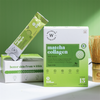
If you’re looking for a simplified start, Wellbeing Matcha Collagen brings together the world’s finest ingredients for a ritual that works.
-
137X more antioxidants than green tea for cellular-level protection.
-
Ceremonial-grade, 30-day shade-grown Matcha from Tencha leaves for sustained calm and clarity.
-
Wild-caught marine collagen peptides with superior absorption for visible skin, joint, and gut renewal.
-
India’s first clean matcha collagen blend, free from sugar, gluten, dairy, or synthetic additives.
-
Designed to deliver energy that’s pure, structure that’s strong, and radiance that’s real.
One Cup, Infinite Benefits
The best wellness rituals are the ones that feel effortless yet transformative. A daily cup of matcha with collagen brings together two ancient elements, one that protects, one that rebuilds, to support how you think, feel, and look.
It’s more than a drink. It’s a ritual of renewal. Each sip nourishes your skin, stabilizes your energy, and reminds your body how to restore balance naturally.
In every cup of matcha with collagen, your body remembers how to renew itself, calmly, beautifully, and from within.
FAQs
1. What are the main benefits of matcha with collagen?
Matcha with collagen supports skin elasticity, joint health, gut repair, and sustained energy. The antioxidants in matcha protect cells from oxidative damage, while collagen peptides rebuild connective tissue for firmer, more hydrated skin.
2. Can I drink matcha with collagen every day?
Yes. A daily serving of matcha with collagen helps maintain consistent amino acid levels and antioxidant activity in the body. Regular intake improves skin hydration, strengthens joints, and enhances focus without caffeine crashes.
3. Does matcha with collagen really help your skin?
Absolutely. Studies show collagen peptides can increase skin hydration by up to 24% and reduce roughness by 62% in 12 weeks ((NIH). When paired with matcha’s EGCG, which protects fibroblast cells from UV damage, the duo helps reduce fine lines and improve firmness.
4. Is matcha with collagen good for gut health?
Yes. Matcha’s catechins support beneficial gut bacteria, while collagen provides glycine and glutamine to heal the gut lining. Together, they reduce bloating, strengthen the intestinal barrier, and improve overall digestion.
5. Can I take matcha with collagen for joint and muscle recovery?
Definitely. Collagen peptides replenish cartilage and improve flexibility, while matcha’s anti-inflammatory catechins reduce joint stiffness and oxidative stress. This combination aids faster muscle recovery and long-term joint comfort.
6. How is matcha with collagen different from regular matcha or protein powder?
Unlike plain matcha, it delivers dual benefits, antioxidant protection and structural repair. And unlike standard protein powders, collagen specifically targets skin, joints, and connective tissues, making matcha with collagen a complete wellness blend.
7. Which Indian brand offers clean and effective matcha with collagen?
Wellbeing Matcha Collagen stands out as India’s first clean matcha collagen blend, crafted with 137X more antioxidants than green tea, ceremonial-grade Tencha matcha, and wild-caught marine collagen peptides for high absorption. It’s sugar-free, filler-free, and designed to elevate energy, skin, and cellular wellness in one pure ritual.