7 Best Foods for Magnesium and Zinc Boost
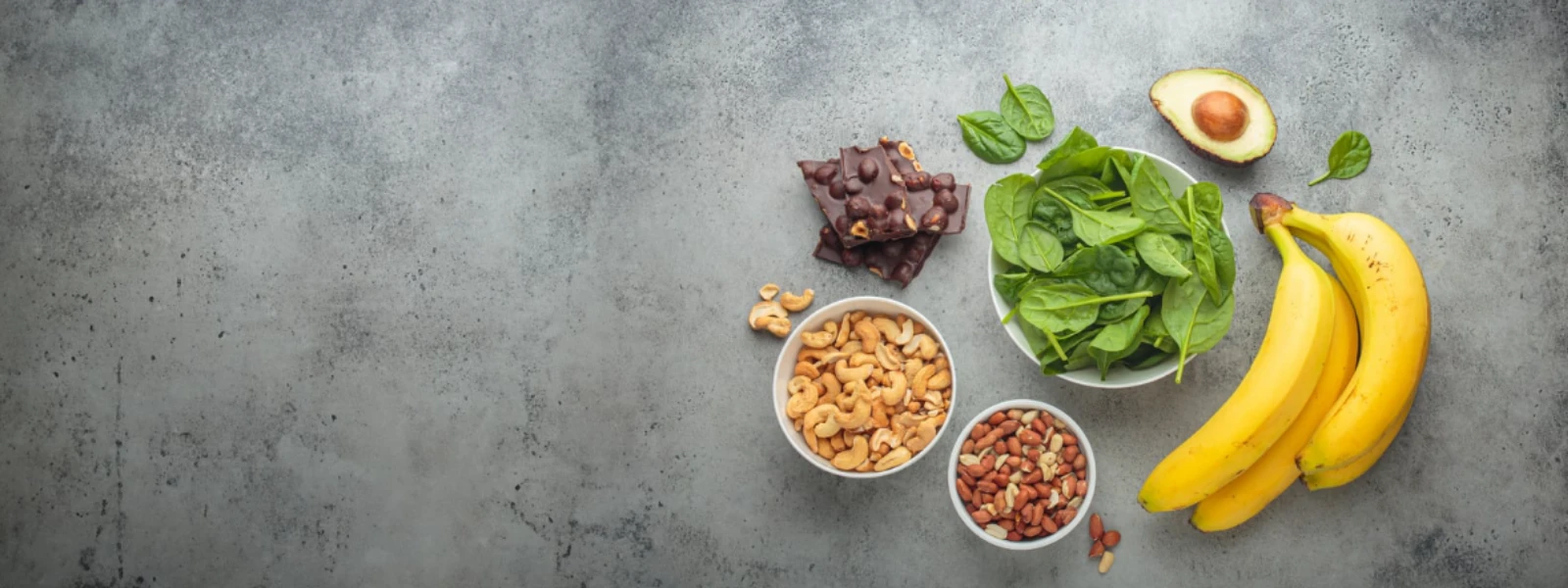


Your gut health depends on more than just probiotics and fiber. Two essential minerals—magnesium and zinc—work behind the scenes to support digestive function, reduce inflammation, and maintain the delicate balance of your gut microbiome. Yet research shows that nearly 80% of people don't get enough magnesium, while zinc deficiency affects millions worldwide.
These mineral deficiencies can compromise your gut's ability to heal, absorb nutrients, and protect against harmful bacteria. The good news? You can boost both minerals naturally through strategic food choices that deliver powerful gut-cleansing benefits.
This guide reveals seven foods rich in magnesium and zinc that can transform your digestive health. You'll discover how these minerals work together, which foods pack the biggest nutritional punch, and simple ways to incorporate them into your daily meals for optimal gut function.
Magnesium acts as nature's muscle relaxant, helping smooth the contractions of your digestive tract. This mineral activates over 300 enzymes involved in nutrient absorption and energy production. When your gut muscles can relax properly, food moves through your system more efficiently, reducing bloating and discomfort.
Beyond muscle function, magnesium supports the gut-brain connection. Stress directly impacts digestion, and adequate magnesium levels help your nervous system stay calm, which translates to better digestive function.
Zinc plays a crucial role in maintaining your intestinal barrier—the protective lining that keeps harmful substances out of your bloodstream. This mineral supports the rapid turnover of intestinal cells, helping repair damage from inflammation or irritation.
Research shows that zinc deficiency can lead to increased intestinal permeability, often called "leaky gut." Adequate zinc intake helps maintain tight junctions between intestinal cells, keeping your gut barrier strong and functional.
When consumed together, magnesium and zinc create a synergistic effect. Magnesium helps regulate zinc absorption, while zinc supports magnesium utilization at the cellular level. This partnership enhances both minerals' benefits for gut health and overall wellness.
Pumpkin seeds top the list as one of the richest dietary sources of both minerals. Just one ounce provides 168mg of magnesium (42% of your daily needs) and 2.2mg of zinc (20% daily value).
These small but mighty seeds also contain healthy fats and fiber that support gut microbiome diversity. The combination of minerals and fiber makes pumpkin seeds excellent gut cleanse foods that nourish beneficial bacteria while providing essential nutrients.
Try sprinkling raw pumpkin seeds on salads, blending them into smoothies, or enjoying them as a crunchy snack. Lightly toasting enhances flavor while preserving most nutrients.
Spinach and kale stand out among magnesium rich foods. One cup of cooked spinach delivers 157mg of magnesium, while raw kale provides 23mg per cup along with modest amounts of zinc.
These greens offer additional gut benefits through chlorophyll, which has anti-inflammatory properties, and prebiotic fibers that feed beneficial gut bacteria. The high water content also supports hydration, essential for healthy digestion.
For maximum mineral absorption, lightly sauté greens with a small amount of healthy fat like olive oil. This cooking method breaks down cell walls, making minerals more bioavailable.
Lentils, chickpeas, and black beans provide impressive amounts of both minerals. One cup of cooked lentils contains 71mg magnesium and 2.5mg zinc, while chickpeas offer 78mg magnesium and 2.5mg zinc per cup.
Black beans lead the pack with 120mg magnesium per cup, plus nearly 2mg of zinc. The high fiber content in legumes supports gut cleanse goals by promoting regular bowel movements and feeding beneficial bacteria.
To improve mineral absorption, soak dried legumes overnight before cooking. This process reduces compounds called phytates that can interfere with mineral uptake.
Almonds provide 76mg magnesium per ounce, while cashews deliver 74mg magnesium and 1.6mg zinc. Chia seeds pack 95mg magnesium per ounce, and flaxseeds offer 110mg magnesium in just two tablespoons.
The healthy fats in nuts and seeds support the absorption of fat-soluble vitamins and help reduce inflammation in the gut. Choose raw or lightly roasted varieties to preserve delicate nutrients.
Store nuts and seeds in airtight containers in cool, dark places to prevent rancidity. Grinding flaxseeds just before eating maximizes nutrient availability.
Quinoa stands out among whole grains, providing 118mg magnesium and 2.8mg zinc per cooked cup. Brown rice offers 84mg magnesium per cup, making it another valuable addition to a mineral-rich diet.
These whole grains contain fiber that supports gut health by promoting beneficial bacteria growth and regular elimination. Unlike refined grains, whole grains retain their mineral-rich bran and germ layers.
Rinse quinoa thoroughly before cooking to remove its natural coating, which can taste bitter. This simple step improves flavor while preserving nutritional value.
Dark chocolate with 70% or higher cacao content provides 64mg magnesium and 0.9mg zinc per ounce. The antioxidants in dark chocolate, particularly flavonoids, help reduce gut inflammation and support beneficial bacteria.
Choose organic, minimally processed dark chocolate to avoid unnecessary additives. The higher the cacao percentage, the more minerals and antioxidants you'll get.
Enjoy dark chocolate in moderation as part of a balanced diet. A small square after meals can satisfy sweet cravings while contributing to your daily mineral intake.
One cup of shelled edamame provides 99mg magnesium and 2.1mg zinc, along with complete protein containing all essential amino acids. This combination makes edamame particularly valuable for supporting gut repair and maintenance.
The fiber in edamame acts as a prebiotic, feeding beneficial gut bacteria and supporting digestive health. Steam fresh or frozen edamame for the best texture and nutrient retention.
Add edamame to salads, stir-fries, or enjoy as a protein-rich snack with a sprinkle of sea salt.
Did You Know?
Combining Vitamin C-rich foods with zinc sources can enhance absorption by up to 50%. Try pairing zinc-rich legumes with bell peppers or citrus fruits for maximum benefit.
The timing of mineral intake affects absorption rates. Magnesium is best absorbed when taken with meals, while zinc absorption improves on an empty stomach. However, zinc can cause nausea when taken without food, so consuming it with a light meal provides the best balance.
Certain nutrients enhance mineral absorption. Vitamin D improves magnesium uptake, while Vitamin C boosts zinc absorption. Including a variety of colorful fruits and vegetables ensures you get these supporting nutrients naturally.
Some compounds can interfere with mineral absorption. Phytates in grains and legumes, excess calcium, and high iron intake can reduce zinc absorption. Coffee and tea contain tannins that may inhibit mineral uptake when consumed with meals.
To minimize interference, avoid drinking coffee or tea with mineral-rich meals. Space calcium supplements away from zinc-rich foods, and consider soaking grains and legumes to reduce phytate content.
Adult men need 400-420mg of magnesium daily, while women require 310-320mg. For zinc, men need 11mg daily and women need 8mg. Pregnant and breastfeeding women have higher requirements for both minerals.
Including just three to four of the foods listed above can help you meet these daily targets. For example, a salad with spinach, pumpkin seeds, and chickpeas provides substantial amounts of both minerals along with other beneficial nutrients.
When you're getting enough magnesium and zinc, you may notice improved sleep quality, better stress management, and more regular digestion. Your skin may appear healthier, and you might experience fewer digestive issues.
Consistent intake over several weeks typically produces noticeable improvements in energy levels and overall well-being.
Pumpkin seeds contain the highest concentration of magnesium among common foods, providing 168mg per ounce. Dark leafy greens like spinach and Swiss chard also rank high, especially when cooked, as cooking concentrates the mineral content.
Yes, plant foods can provide adequate zinc, though absorption rates may be lower than from animal sources. Combining zinc-rich plants with Vitamin C sources and soaking grains and legumes can improve absorption significantly.
Mild deficiencies may improve within 2-4 weeks of consistent dietary changes, while more significant deficiencies can take 2-3 months to correct. Symptoms like muscle cramps and sleep issues often improve first, followed by energy levels and stress management.
Cooking can both increase and decrease mineral availability. Steaming and light sautéing generally preserve minerals while making them more bioavailable. Boiling can cause some mineral loss into cooking water, so using that water in soups or sauces helps retain nutrients.
High-fiber foods, calcium-rich foods, and foods containing phytates can reduce absorption when consumed in large amounts with mineral-rich meals. However, the benefits of these foods generally outweigh any absorption interference when part of a varied diet.
These seven foods rich in magnesium and zinc offer a natural, effective way to support your gut health and overall wellness. From the mineral-dense pumpkin seeds to the versatile dark leafy greens, each food provides unique benefits that extend far beyond basic nutrition. By incorporating these dietary sources of magnesium and zinc into your regular meals, you're not just meeting daily requirements—you're actively supporting your gut's ability to heal, protect, and thrive. Start with two or three of these foods this week, and gradually build a diverse, mineral-rich eating pattern that nourishes your gut from the inside out.




Someone sent you
Powered by ReferRush


