7 Best Natural Retinol Sources for Glowing Skin


Your skin reflects what you feed your body from within. While synthetic retinol products dominate skincare conversations, nature provides powerful retinol sources that support skin health through proper nutrition. These natural alternatives offer sustained benefits without the harsh side effects often associated with topical treatments.
Understanding how to harness vitamin A sources through food can transform your approach to skincare. This comprehensive guide explores seven potent natural retinol sources that work from the inside out, supporting cellular renewal and promoting that coveted healthy glow.
Natural retinol sources contain preformed vitamin A (retinol) or provitamin A carotenoids that your body converts into active vitamin A. Unlike synthetic retinol products applied topically, these food-based sources provide sustained nutrition that supports skin health at the cellular level.
The key difference lies in delivery and absorption. When you consume vitamin A sources through food, your digestive system processes these nutrients gradually. This creates a steady supply of vitamin A that supports not just skin health, but overall cellular function throughout your body.
Your gut health plays a crucial role in how effectively your body absorbs and utilizes these nutrients. A healthy digestive system ensures optimal absorption of fat-soluble vitamins like vitamin A, creating a direct connection between gut wellness and skin appearance.
Vitamin A works by promoting cellular turnover and supporting the production of new skin cells. This process helps maintain skin thickness, reduces the appearance of fine lines, and supports the skin's natural barrier function.
Research shows that adequate vitamin A intake supports collagen production, which maintains skin elasticity and firmness. The retinoid benefits extend beyond surface-level improvements, influencing how your skin repairs and regenerates itself over time.
Natural sources provide both preformed vitamin A (found in animal products) and provitamin A carotenoids (found in colorful fruits and vegetables). Your body converts these carotenoids into active vitamin A as needed, preventing the risk of overconsumption that can occur with synthetic supplements.
Beef liver stands as the most concentrated natural source of preformed vitamin A, containing approximately 18,000 IU per 3.5-ounce serving. This represents over 300% of the daily recommended value, making it an incredibly efficient way to boost your vitamin A intake.
The bioavailability of vitamin A from liver surpasses most other sources. Choose grass-fed liver when possible, as it contains higher levels of beneficial nutrients and fewer toxins. Start with small portions once or twice weekly to allow your body to adjust.
Salmon, sardines, mackerel, and tuna provide substantial amounts of preformed vitamin A while delivering skin-supporting omega-3 fatty acids. A 3.5-ounce serving of salmon contains approximately 150 IU of vitamin A.
The combination of vitamin A and omega-3s creates synergistic benefits for skin health. Omega-3 fatty acids support skin barrier function and reduce inflammation, while vitamin A promotes cellular renewal. This dual action makes fatty fish exceptional retinol alternatives for comprehensive skin support.
Egg yolks from pasture-raised chickens contain approximately 245 IU of vitamin A per yolk. The vitamin A in eggs comes with naturally occurring fats that enhance absorption, making this an efficient delivery system.
Pasture-raised eggs typically contain 30-50% more vitamin A than conventional eggs. The orange color of the yolk often indicates higher carotenoid content, which translates to better nutritional value for skin health.
Grass-fed dairy products like milk, cheese, yogurt, and ghee provide preformed vitamin A along with beneficial fats for absorption. One cup of whole milk contains approximately 395 IU of vitamin A.
Ghee, particularly valued in traditional Indian cuisine, concentrates the fat-soluble vitamins from milk. This makes it an excellent cooking fat that enhances the absorption of vitamin A from other foods while providing its own vitamin A content.
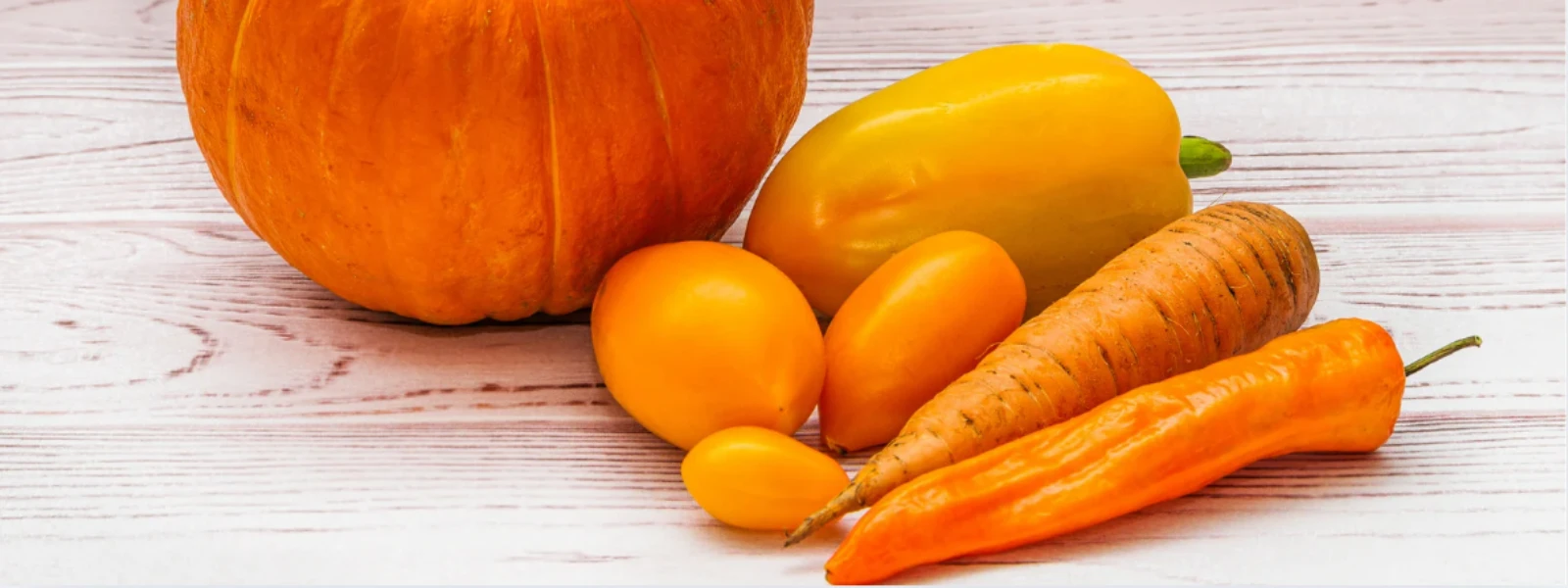
Sweet potatoes, carrots, and red bell peppers contain high levels of beta-carotene, which your body converts to vitamin A as needed. One medium sweet potato provides approximately 1,400 IU of vitamin A equivalent.
The conversion rate varies among individuals, but consuming these vegetables with healthy fats significantly improves absorption. Cooking these vegetables also breaks down cell walls, making the carotenoids more bioavailable.
Cantaloupe, mangoes, and apricots offer substantial amounts of provitamin A carotenoids. One cup of cantaloupe provides approximately 5,400 IU of vitamin A equivalent, making it one of the richest fruit sources.
These fruits also provide vitamin C, which supports collagen synthesis and works synergistically with vitamin A for optimal skin health. The natural sugars in these fruits provide quick energy while delivering skin-supporting nutrients.
Spinach, kale, and collard greens contain impressive amounts of provitamin A carotenoids. One cup of cooked spinach provides approximately 18,000 IU of vitamin A equivalent.
These greens also provide folate, iron, and other nutrients that support overall health and skin appearance. The dark color indicates high antioxidant content, which protects skin cells from oxidative damage.
Did You Know?
Your body stores vitamin A in the liver for up to several months, which means consistent intake of natural sources creates a steady reservoir that supports ongoing skin health and cellular function.
While natural retinol sources are generally safer than synthetic supplements, excessive vitamin A intake can still cause problems. The upper limit for adults is 10,000 IU daily from preformed vitamin A sources.
Signs of vitamin A toxicity include nausea, headaches, and skin changes. However, this typically occurs only with excessive supplement use or extremely high consumption of liver products. Retinol side effects from food sources are rare when following a balanced diet.
Provitamin A carotenoids from fruits and vegetables carry virtually no risk of toxicity, as your body regulates their conversion to active vitamin A. This makes plant-based sources excellent options for those concerned about overconsumption.
Vitamin A is fat-soluble, meaning it requires dietary fat for optimal absorption. Consuming retinol foods with healthy fats like olive oil, avocado, or nuts significantly improves uptake.
Your gut health directly impacts how well you absorb these nutrients. Supporting digestive wellness through probiotics, fiber-rich foods, and proper hydration creates the foundation for optimal nutrient absorption.
Cooking methods also influence bioavailability. Light cooking of vegetables breaks down cell walls and makes carotenoids more accessible, while overcooking can destroy heat-sensitive nutrients.
Focus on incorporating animal products like liver, fatty fish, and egg yolks for preformed vitamin A, while adding colorful fruits and vegetables for provitamin A carotenoids. Aim for variety and consume these foods with healthy fats to enhance absorption.
Natural sources typically provide more balanced nutrition with lower risk of side effects. Your body regulates the conversion of carotenoids to active vitamin A, preventing overconsumption. However, both natural and synthetic forms can be beneficial when used appropriately.
The recommended daily allowance is 900 IU for men and 700 IU for women. Most people can meet these needs through a balanced diet that includes both animal and plant sources of vitamin A.
Yes, but it requires careful planning. Plant sources provide provitamin A carotenoids that your body converts to active vitamin A. Include plenty of orange, yellow, and dark green vegetables, and consume them with healthy fats for optimal conversion.
Limit processed foods high in vitamin A additives and be cautious with liver consumption if you're already taking vitamin A supplements. Alcohol can interfere with vitamin A metabolism, so moderate consumption supports better nutrient utilization.
Natural retinol sources offer a sustainable, gentle approach to supporting skin health from within. By incorporating these seven powerful foods into your regular diet, you provide your body with the building blocks it needs for healthy cellular renewal and radiant skin. Remember that consistency matters more than perfection – small, regular additions of these nutrient-dense foods can create significant improvements in your skin's appearance and overall health. The connection between proper nutrition and skin wellness demonstrates how true beauty starts with nourishing your body at the cellular level.




Someone sent you
Powered by ReferRush


